Why Tween Nutrition Is Different (and Why It Matters More Than You Think)
Tweens aged 8–12 need a nutrient-dense, calorie-sufficient diet to fuel rapid pre-pubertal growth, brain development, and the emotional changes of early adolescence.
In this article
Your 10-year-old just announced they're "not hungry" at dinner — then raided the pantry an hour later. Sound familiar? You're not imagining things. The tween years (roughly 8 to 12) are a nutritional pressure point: bodies are quietly gearing up for puberty, brains are doing heavy cognitive lifting, and appetites become wildly unpredictable. According to the CDC, the pre-pubertal growth spurt can add 2–3 inches and 5–7 pounds in a single year — and every one of those inches needs to come from somewhere.
Here's what you'll understand by the end of this guide:
1. Why Tween Nutrition Is Different (and Why It Matters More Than You Think)
Tweens are not simply older toddlers or younger teenagers — their nutritional needs are genuinely distinct. Between ages 8 and 12, the body begins producing the hormonal signals that kick off puberty, which means nutrient demands spike before most parents expect them to.
The American Academy of Pediatrics (AAP) notes that the pre-pubertal period is one of the most critical windows for bone mineralisation. Roughly 90% of peak bone mass is laid down by age 18, and the tween years are when the foundation is poured. Get calcium and vitamin D right now, and your child's skeleton will thank them for decades.
Caloric Needs Are Climbing
The Dietary Guidelines for Americans (2020–2025) estimate that moderately active tweens need:
- Girls 8–9: ~1,400–1,600 kcal/day - Girls 10–12: ~1,600–1,800 kcal/day - Boys 8–10: ~1,400–1,600 kcal/day - Boys 11–12: ~1,800–2,000 kcal/day
These are averages — a child in a growth spurt or playing competitive sport may need significantly more. Restricting calories in this age group without medical supervision can delay puberty and compromise bone density.
2. The Big Five Nutrients Every Tween Needs
Five nutrients consistently show up as shortfalls in tween diets. Getting these right is the single highest-leverage thing you can do.
Calcium and Vitamin D
The AAP recommends 1,000 mg of calcium daily for ages 4–8, rising to 1,300 mg from age 9 onward. Yet national survey data (NHANES) show that fewer than 1 in 5 girls aged 9–13 meets this target. Dairy remains the most bioavailable source, but fortified plant milks, canned salmon with bones, edamame, and leafy greens all contribute.
Vitamin D helps the body absorb that calcium. The AAP recommends at least 600 IU/day for all children. Many tweens — particularly those with darker skin tones or who spend limited time outdoors — fall short.
Iron
Iron needs increase substantially as tweens approach puberty. The recommended dietary allowance (RDA) is 8 mg/day for ages 9–13, jumping to 15 mg/day for girls once menstruation begins. Iron-deficiency anaemia is the most common nutritional deficiency in this age group globally, according to the WHO.
Protein
Growing tweens need roughly 0.85–1 g of protein per kg of body weight per day. For a 40 kg (88 lb) child, that's about 34–40 g daily — achievable with eggs at breakfast, a cheese snack, and chicken at dinner.
Fibre
Most tweens consume less than half the recommended fibre intake. The Academy of Nutrition and Dietetics suggests a simple rule: age + 5 = grams of fibre per day (so 15 g for a 10-year-old). Fibre supports gut health, steadies blood sugar, and keeps energy levels even through a long school day.
Omega-3 Fatty Acids
DHA and EPA support brain development and may reduce anxiety — relevant for tweens navigating the social pressures of middle school. The WHO recommends two servings of oily fish per week.
3. Building a Tween-Friendly Plate Without the Power Struggle
The best meal plan in the world fails if your tween refuses to eat it. The research on feeding dynamics is clear: coercive feeding ("eat your broccoli or no dessert") backfires, while autonomy-supportive approaches build lasting healthy habits.
The Division of Responsibility (sDOR)
Ellyn Satter's widely cited Division of Responsibility framework, endorsed by the AAP, proposes:
- Parent's job: Decide what food is offered, when, and where - Child's job: Decide whether to eat and how much
For tweens, this means presenting balanced meals and trusting your child to self-regulate portions. It reduces mealtime conflict dramatically.
Practical Plate-Building
Use the USDA MyPlate model as a visual shortcut:
- ½ plate: vegetables and fruit - ¼ plate: lean protein - ¼ plate: whole grains - A side of dairy or fortified alternative
4. Smart Snacking: Fuelling a Busy Tween Brain and Body
Tweens are snackers by biology — their stomachs are smaller relative to their caloric needs, and school schedules often create long gaps between meals. The problem isn't snacking; it's what they're snacking on.
A 2021 study in the Journal of the Academy of Nutrition and Dietetics found that ultra-processed foods accounted for 67% of total caloric intake in US children and adolescents — up from 61% in 1999. These foods tend to be high in added sugar, sodium, and refined carbohydrates while being low in the nutrients tweens actually need.
What a Good Tween Snack Looks Like
A well-constructed snack has at least two of the three: protein, fibre, healthy fat. Examples:
- Apple slices + almond butter - Hummus + carrot sticks + whole-grain crackers - Greek yoghurt + berries - Cheese cubes + grapes - Hard-boiled egg + cucumber slices
Portion control matters here — not in a restrictive sense, but in a "this is a snack, not a second lunch" sense. Pre-portioning snacks into containers is one of the most effective behavioural nudges you can use.


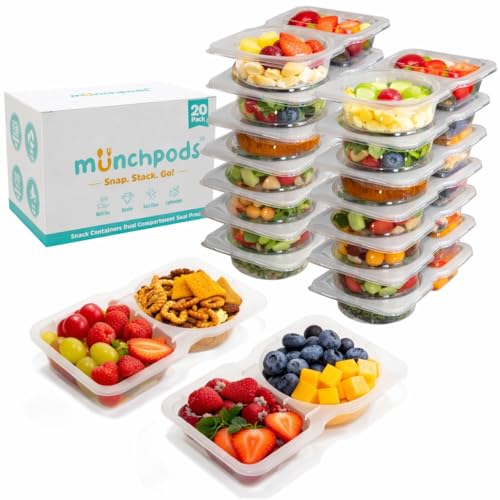
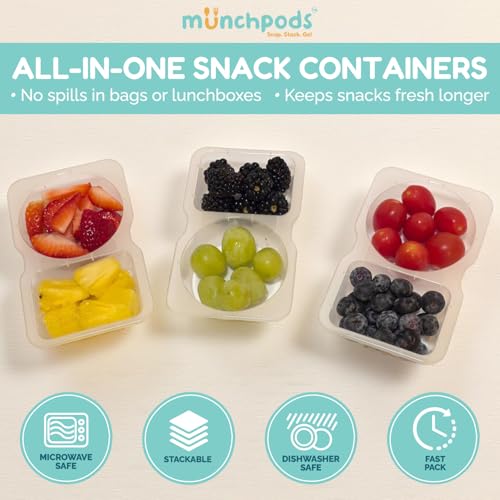
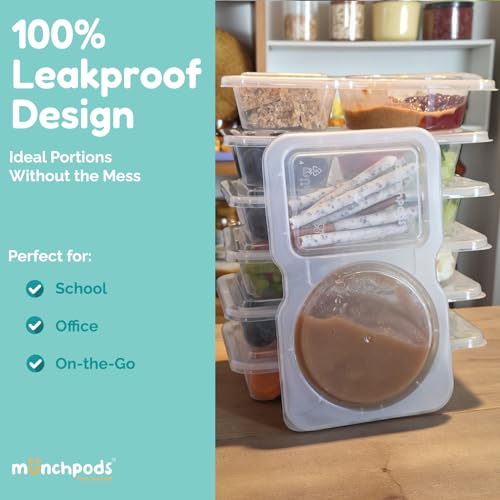
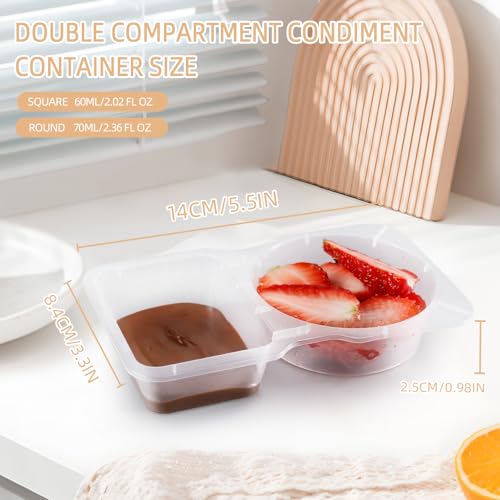
Reusable Snack Containers with Lids 20 Pack (40 Pieces) Portion control, Snack Pack Containers 2 Double Compartment Snack Containers for Kids On the Go Meals, Camping Snack Tray Prep
- 2 COMPARTMENT SNACK CONTAINERS : Munchpods have two separate compartments to store different foods, keep them
- 20 PACK (40 Pieces) REUSABLE SNACK CONTAINERS WITH LIDS : Plastic snack containers with lids are made of food-
- PORTION CONTROL CONTAINERS : Snack prep containers keep food items separate, like snacks, dips, salad dressing
5. Navigating Sugar, Ultra-Processed Foods, and Picky Eating
Sugar is the topic every parent asks about — and the research is more nuanced than headlines suggest. The WHO recommends that free sugars make up less than 10% of total energy intake (ideally under 5%), which for a 1,600 kcal diet means no more than 40 g (about 10 teaspoons) of added sugar per day. A single can of soda contains around 39 g.
Reducing free sugars intake to less than 10% of total energy intake reduces the risk of overweight, obesity and tooth decay.
— World Health Organization (2015)
Picky Eating at This Age
Picky eating in tweens often has less to do with taste and more to do with autonomy. At 8–12, children are developmentally primed to assert independence — food is one arena where they can exercise control. Strategies that work:
When to Worry
Consult your paediatrician if your tween: - Is losing weight or dropping growth percentiles - Has extreme food restriction affecting more than one food group - Shows anxiety, guilt, or distress around eating - Has unexplained fatigue or pallor (possible iron deficiency)
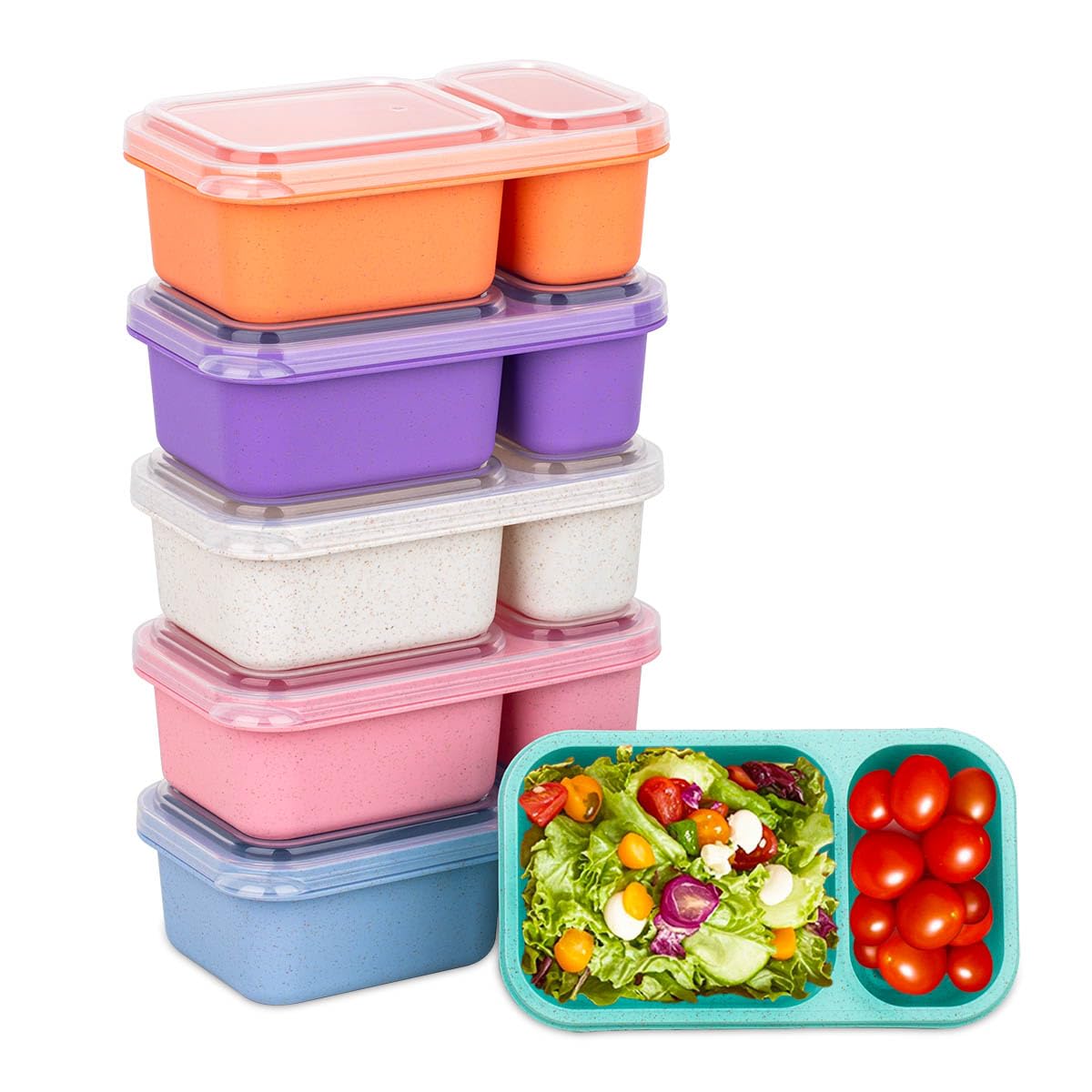
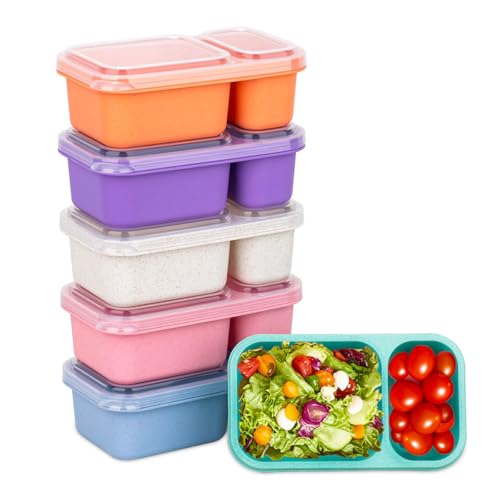
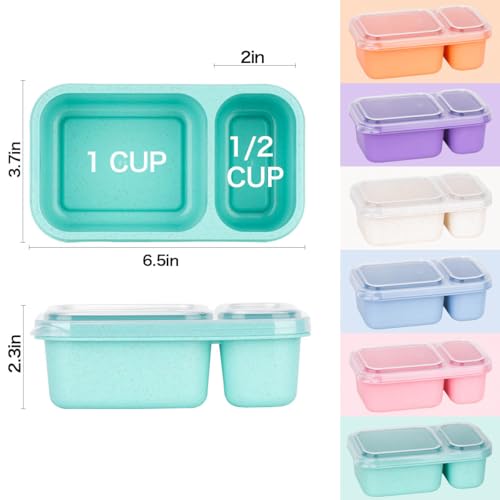
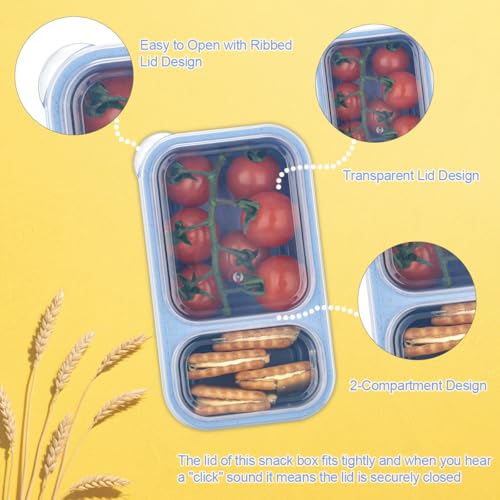
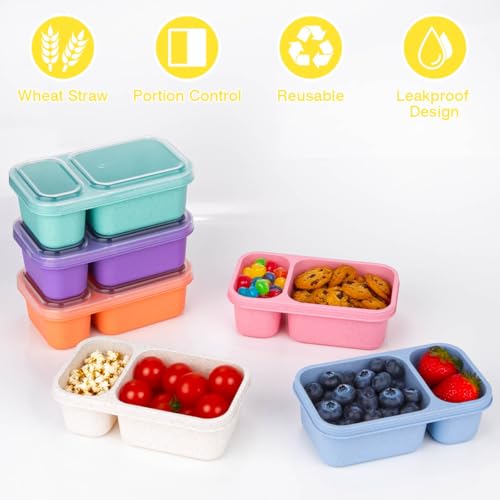
DOSEWART 2-Compartment Reusable Snack Containers with Lids Wheat Straw Reusable Snack Packs for Meal Prep Food Storage on-the-go Snacking(6Pack)
- 2 Compartment Design for Versatility - These snack containers feature two separate compartments(1cup&0.5cup),
- Custom-Fit Lids for Leak-Proof Storage - The reusable snack packs come with custom-fit lids that create a secu
- Durable and Material - Made of wheat straw and plastic, these 2 compartment snack containers are safe for food
6. Hydration, Drinks, and the Caffeine Question
Water is the ideal beverage for tweens — full stop. The National Academies of Sciences recommend roughly 1.7–2.4 litres of total water per day for children aged 9–13, including water from food.
The Caffeine Problem
Energy drinks are now the third most popular beverage among adolescents after water and soda, according to the AAP. The AAP explicitly advises that children under 12 should consume no caffeine, and that adolescents should limit intake to under 100 mg/day. A standard energy drink can contain 80–300 mg of caffeine — well above safe limits — plus high levels of added sugar.

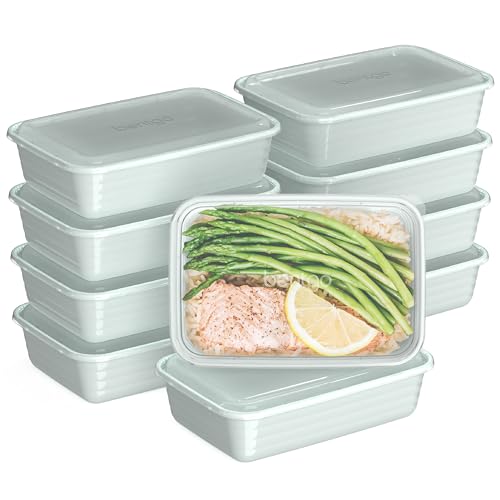
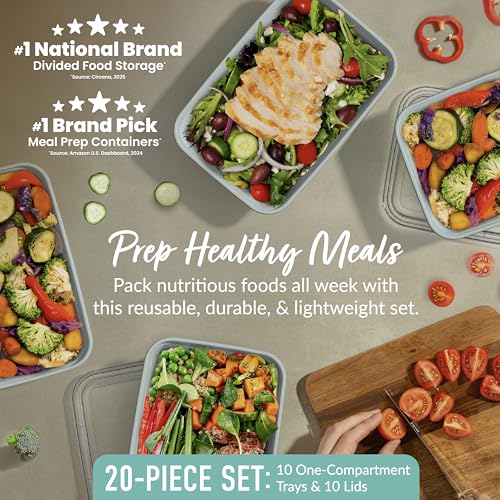
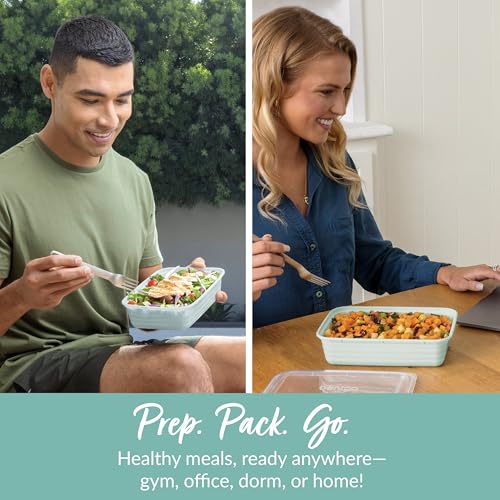
Bentgo Prep - 20-Piece 1-Compartment Reusable Meal Prep Containers with Lids, PFAS & BPA Free Materials, Durable, Microwave, Freezer, & Dishwasher Safe To Go Food Storage (Mint)
- #1 Brand Pick for Meal Prep Containers: Bentgo is the top pick for meal prep containers!* This lightweight, po
- Perfect for Portion-Control: Each container’s 4-cup capacity and embossed measurements make portioning easy to
- Durable & Reusable: Made from tough, PFAS- and BPA-free materials, these meal prep containers are built to las
7. Meals on the Go: Practical Tools for Real Tween Life
Tweens have full lives — school, sport, after-school activities, sleepovers. Nutrition has to be portable to be sustainable. This is where smart food storage genuinely changes daily outcomes.
Having pre-packed, balanced snack containers ready to grab means your tween is less likely to default to vending machine options or skip eating altogether before a sports practice.
For school lunches specifically, the most common failure mode is monotony — the same sandwich every day until your tween stops eating lunch entirely. Rotating components rather than entire meals helps: change the protein one week, the grain the next.
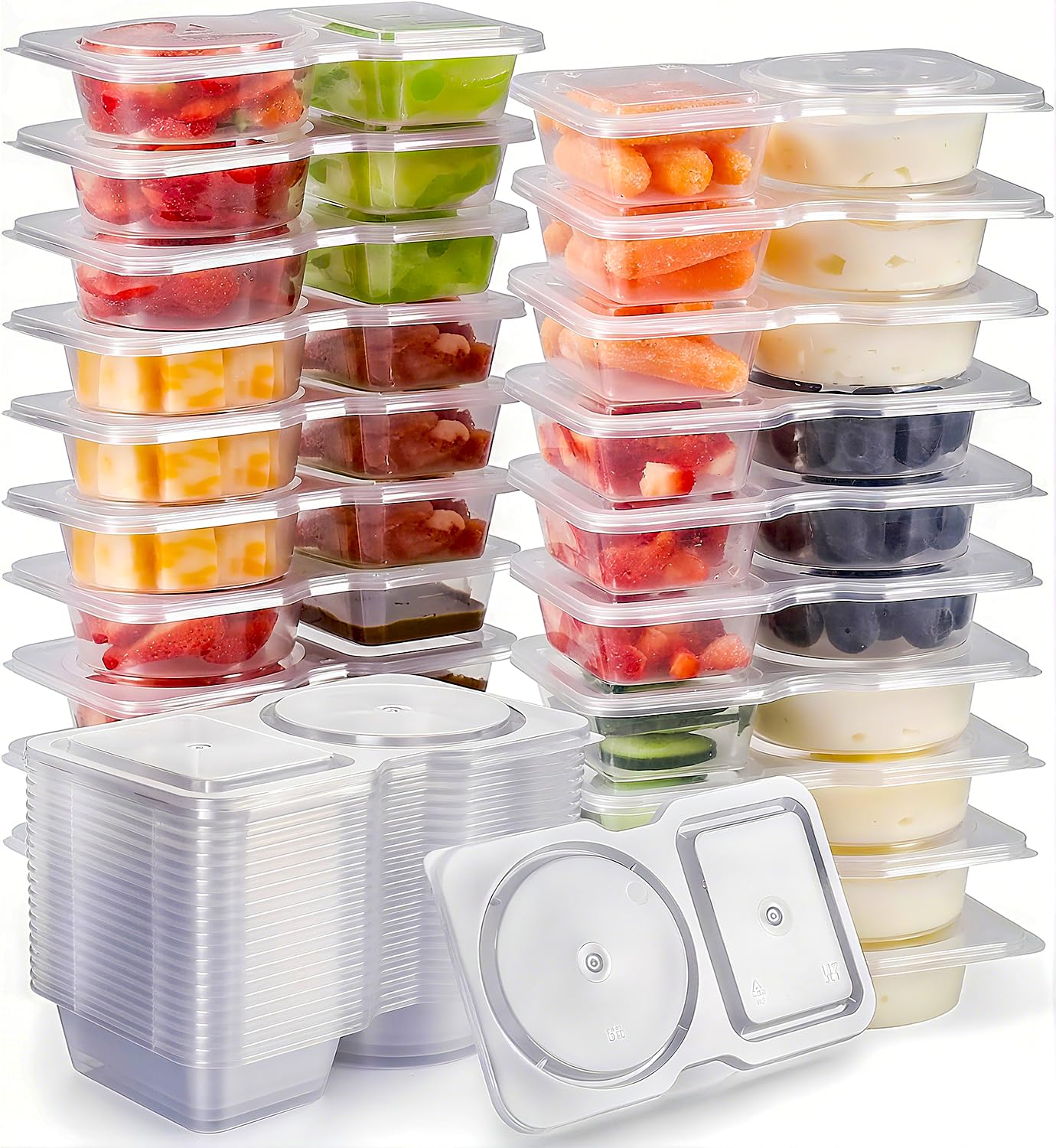
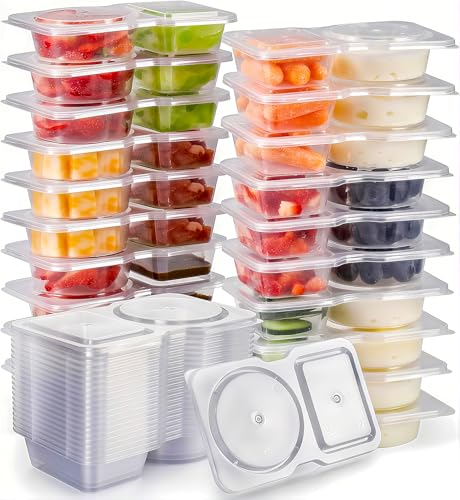
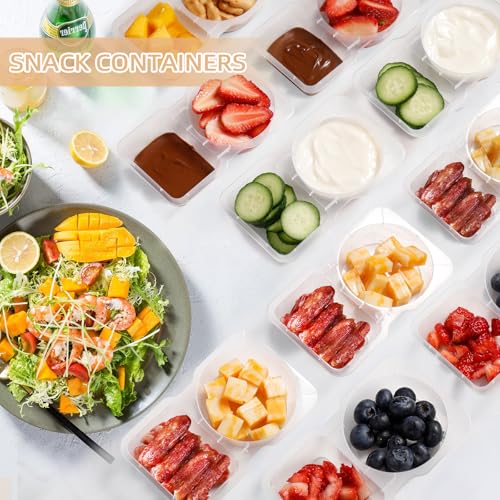
Reusable Snack Containers with Lids: Snack Pack Containers 20Pcs - Snackle Box Container Portion Control - Meal Prep Containers - Double Compartment Snack Containers for Travel - Camping Essentials
- 2 COMPARTMENT SNACK CONTAINERS DESIGN: The snackle box has 2 separate compartments to store different foods, k
- DOUBLE SNACK CONTAINERS WITH LIDS:Perfect as to go food containers,lunch box,lunchable container,lunch contain
- REUSABLE SNACK CONTAINERS:Plastic snack containers with lids are made of food-grade plastic,BPA-free,making th
8. Snack Container Comparison: Choosing the Right Option for Your Tween
| Container Type | Best For | Capacity | Key Feature | Main Drawback | Recommended Product | Price Range |
|---|---|---|---|---|---|---|
| Dual-compartment mini pods (20-pack) | Daily after-school snacks, portion control | 5 oz per pod | BPA-free, dishwasher safe, freezer safe | Smaller capacity — not for full meals | Munchpods Snack Containers | ~$8.99 |
| Budget dual-compartment (20-pack) | High-volume families, packed lunches | Medium | Lightweight, leak-resistant lids | Lower star rating, less durable long-term | DWTS Snack Containers | ~$6.99 |
| Large single-compartment meal prep (20-pack) | Full lunch meals, weekly batch prep | 4 cups | Embossed measurements, PFAS-free | One compartment only — no separation | Bentgo Prep Containers | ~$12.53 |
| Budget dual-compartment (15-set) | Parties, picnics, occasional use | Medium | Double compartment, eco-friendly | Described as disposable in some contexts | Qewro Snack Containers | ~$4.98 |
| Wheat straw dual-compartment (6-pack) | Eco-conscious families, on-the-go snacking | 1 cup + 0.5 cup | Made from wheat straw, leak-proof lids | Smaller pack size — not for batch prep | DOSEWART Snack Containers | ~$11.99 |
Expert Insights
The tween years can feel like you're parenting a moving target — one week they'll eat everything on the plate, the next they'll declare a lifelong hatred of anything green. But here's what the research keeps coming back to: connection matters more than perfection. Eating together, cooking together, and talking about food without shame or pressure does more for your child's long-term nutritional health than any single superfood or supplement.
The goal isn't a flawlessly balanced plate at every meal. It's a child who grows up trusting their body, enjoying food, and carrying a toolkit of habits that serve them well into adulthood.
Feed the relationship with food first. The nutrients tend to follow.
If this guide helped you, save it for the weeks when tween eating feels chaotic — and share it with another parent who might need it.
Sources & References
- American Academy of Pediatrics (AAP). "Calcium and Vitamin D: What You Need to Know." HealthyChildren.org. 2023. https://www.healthychildren.org
- U.S. Department of Agriculture & U.S. Department of Health and Human Services. "Dietary Guidelines for Americans, 2020–2025." 2020. https://www.dietaryguidelines.gov
- Centers for Disease Control and Prevention (CDC). "Child Development: Middle Childhood (9–11 years)." 2023. https://www.cdc.gov
- World Health Organization. "Guideline: Sugars Intake for Adults and Children." 2015. https://www.who.int
- World Health Organization. "Global Nutrition Report." 2023. https://globalnutritionreport.org
- Juul F, et al. "Ultra-Processed Food Consumption Among US Adults from 2001 to 2018." American Journal of Clinical Nutrition. 2022.
- Golley RK, et al. "Breakfast consumption and nutrient intakes in children." Frontiers in Public Health. 2019.
- Satter, Ellyn. "Ellyn Satter's Division of Responsibility in Feeding." Ellyn Satter Institute. https://www.ellynsatterinstitute.org
- National Academies of Sciences, Engineering, and Medicine. "Dietary Reference Intakes for Water, Potassium, Sodium, Chloride, and Sulfate." 2005.
- American Academy of Pediatrics. "Sports Drinks and Energy Drinks for Children and Adolescents: Are They Appropriate?" Pediatrics. 2011.
- British Nutrition Foundation. "Repeated Exposure and Food Acceptance in Children." 2022. https://www.nutrition.org.uk
- Academy of Nutrition and Dietetics. "Position of the Academy of Nutrition and Dietetics: Vegetarian Diets." Journal of the Academy of Nutrition and Dietetics. 2016.
- USDA Food and Nutrition Service. "School Nutrition and Meal Cost Study." 2019. https://www.fns.usda.gov
Frequently Asked Questions
How many calories does my 10-year-old need per day?
Should my tween take a multivitamin?
My daughter has started her period. How does this change her nutritional needs?
Are sports drinks okay for my active tween?
How do I handle a tween who skips breakfast?
My tween is asking to go vegetarian or vegan. Is that safe?
How do I talk to my tween about healthy eating without triggering food anxiety?
Was this helpful?
Thanks — your feedback helps us pick what to write next.