ADHD Kids and Friendships: Why It's Hard and What Helps
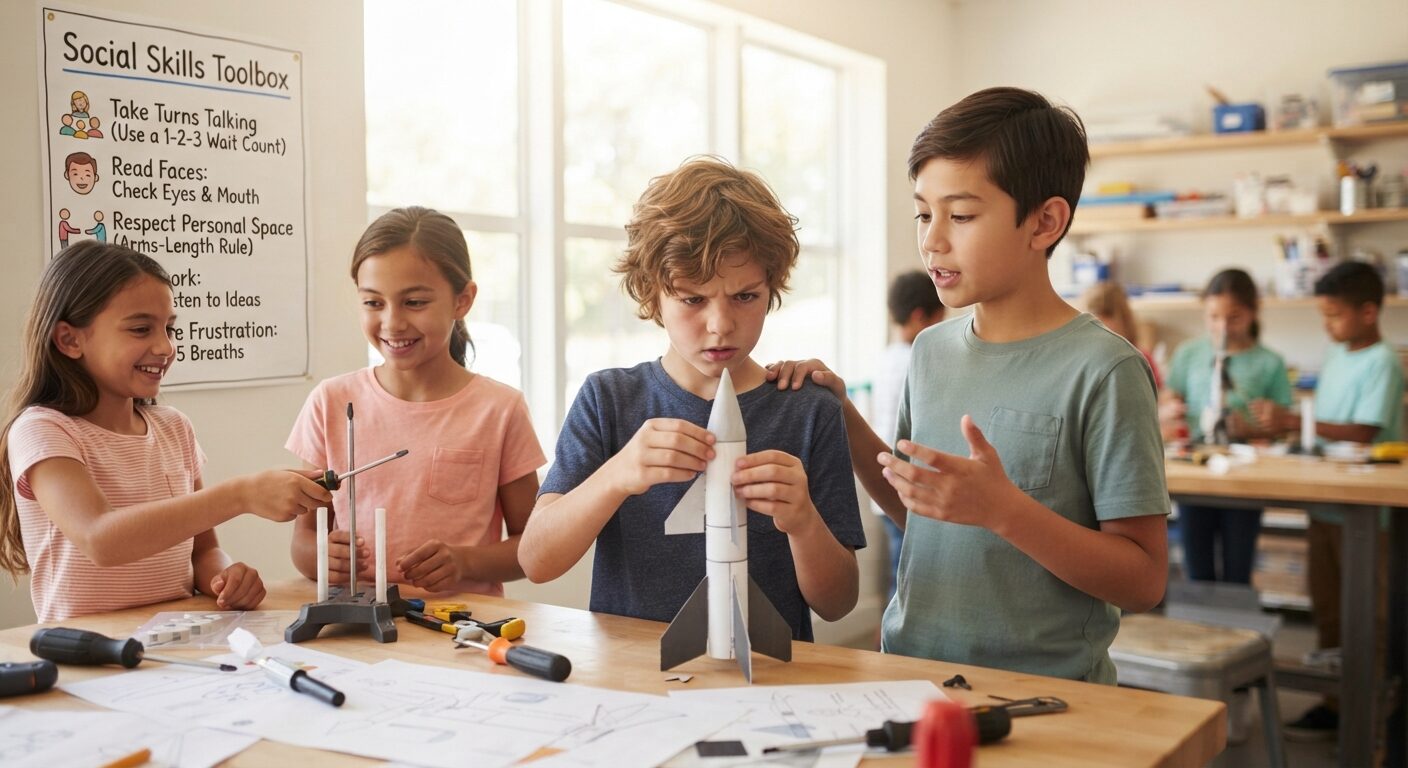
Kids with ADHD can absolutely build strong, lasting friendships, but they usually need direct coaching on social skills that other kids pick up on their own.
21 min read
Start typing to search.
No matches.
Browse by age
Reading fluency, friendships, and first screen-time decisions.
31 articles
Kids with ADHD can absolutely build strong, lasting friendships, but they usually need direct coaching on social skills that other kids pick up on their own.
21 min read
Child anxiety driven school refusal is treatable, and the most effective path combines a graduated return to school with cognitive behavioral techniques practiced at home, not prolonged time away from the classroom.
20 min read
Children who prefer solitary play or small friendships aren't lonely or broken; research shows solitude by choice supports creativity, emotional processing and self knowledge, and only becomes a concern when it's driven by anxiety or rejection rather than preference.
20 min read
Kids make friends fastest at a new school when parents actively coach specific social skills, arrange low pressure playdates early, and stay patient through the normal six to eight week adjustment window.
20 min read
Limiting screens and replacing them with physical, imaginative play gives children measurable benefits in language, attention, and emotional development — and Toy Story 5 is a vivid reminder of exactly why toys that invite open ended play matter so much.
29 min read
A growing body of research shows that classroom technology, when used without clear limits, tends to reduce learning outcomes compared to handwriting, reading print, and structured analogue practice.
26 min read
Between ages 5 and 8, children go through some of the fastest cognitive, social, and physical development of their entire childhood, and knowing what to expect helps you support the process rather than worry your way through it.
18 min read
Children ages 5 to 8 build stronger math skills when you train the two underlying abilities that power arithmetic: working memory (holding numbers in mind while calculating) and logical reasoning (seeing patterns and rules).
22 min read
The most effective screen time limits combine clear household rules with physical or network level tools that kids cannot simply bypass, removing the daily negotiation from your plate entirely.
22 min read
Sharenting (posting photos and details about your child online) builds a digital footprint your child never consented to, and the risks range from identity theft to long term emotional harm — but thoughtful boundaries can protect privacy without giving up connection.
20 min read
AI powered tools are transforming STEAM education by making coding, robotics, and creative problem solving accessible to children as young as 8, turning passive screen time into active, hands on learning that builds real world skills.
22 min read
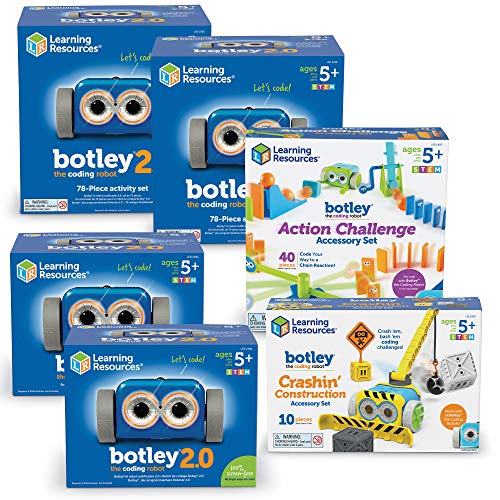
The best coding toys for kids in 2026 are screen-free, hands-on robots and sequencing games matched to your child's developmental stage, with Botley 2.0 leading for ages 5–8 and richer programming kits taking over from age 9.
22 min read