Puberty Timelines: What's Normal, What's Not, and When to Call Your Paediatrician
The tween years (ages 8–12) bring rapid physical, hormonal, and social changes that require proactive health and safety conversations — starting earlier than most parents expect.
In this article
Your 9-year-old comes home from school quieter than usual, and later that night asks — in a whisper — whether something is "wrong" with their body. Sound familiar? You're not alone. According to the American Academy of Pediatrics (AAP), the average age of puberty onset in girls has shifted earlier over the past two decades, with breast development now beginning in some girls as young as 7–8 years old. For boys, testicular development typically starts between ages 9–10. The tween window is one of the most biologically eventful stretches of childhood — and one of the most under-prepared-for by parents.
In this guide, you'll understand:
1. Puberty Timelines: What's Normal, What's Not, and When to Call Your Paediatrician
Puberty in tweens follows a predictable sequence — but the timing varies widely, and that variation is itself normal. The key is knowing the typical range so you can spot outliers.
In Girls
The first sign is usually breast budding (thelarche), typically between ages 8–13. Pubic hair follows, then a growth spurt, and finally menstruation — usually 2–3 years after breast budding begins. The average age of first period (menarche) in the US is 12.5 years, according to the CDC.In Boys
Testicular enlargement is the first sign, typically between ages 9–11. Pubic hair, penile growth, and voice changes follow. Facial hair and the growth spurt tend to come later — often 13–14.2. Sleep: The Most Underrated Health Lever for 8–12 Year Olds
Tweens need 9–12 hours of sleep per night — yet the CDC reports that more than half of middle-schoolers (ages 6–12) are regularly getting less than the recommended amount. Sleep deprivation at this age is directly linked to increased anxiety, impulsive behaviour, obesity risk, and poor immune function.
Why Tween Sleep Is Different
The hormonal shifts of puberty trigger a biological delay in melatonin release — meaning your tween's brain genuinely doesn't feel sleepy until later in the evening. This is not defiance; it's neurobiology. The AAP has formally advocated for later school start times because of this documented circadian shift.What You Can Do Tonight
3. Nutrition and Physical Activity: Fuelling a Body in Rapid Change
Between ages 8–12, your child's caloric and micronutrient needs increase significantly — especially calcium, iron, and vitamin D — because bones are mineralising rapidly and, for girls, menstruation will soon begin.
Key Nutritional Priorities
Calcium: The AAP recommends 1,000–1,300 mg/day for tweens. This is the single most critical window for bone density — up to 90% of peak bone mass is built by age 18.
Iron: Girls especially need adequate iron as their period approaches. Good sources include lean red meat, fortified cereals, lentils, and dark leafy greens paired with vitamin C for absorption.
Vitamin D: The AAP recommends 600 IU/day. Many tweens are deficient, particularly those with darker skin tones or limited sun exposure.
Physical Activity
The WHO recommends at least 60 minutes of moderate-to-vigorous physical activity daily for children aged 5–17. Strength-building activities (climbing, gymnastics, resistance exercises) should be included at least 3 days per week.4. Period Preparedness: Giving Your Tween Confidence Before Day One
The average girl gets her first period at 12.5 — but some get it at 10 or 11. That means preparation should start no later than age 9 or 10. Being caught unprepared at school is one of the most cited sources of period-related anxiety in young adolescents.
What to Include in the Conversation
Building a Period Kit
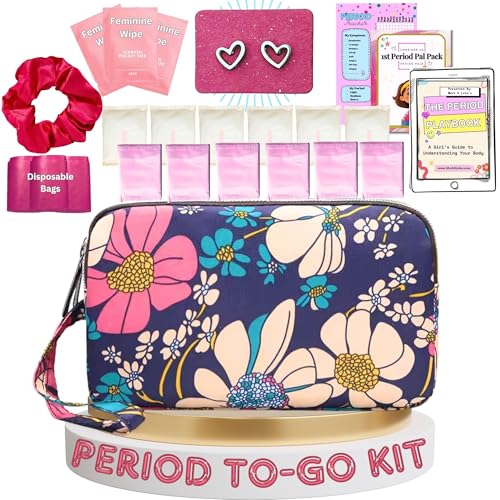
One of the most practical things you can do is assemble a go-bag your tween keeps in their backpack. This removes the fear of being caught off guard at school or a friend's house.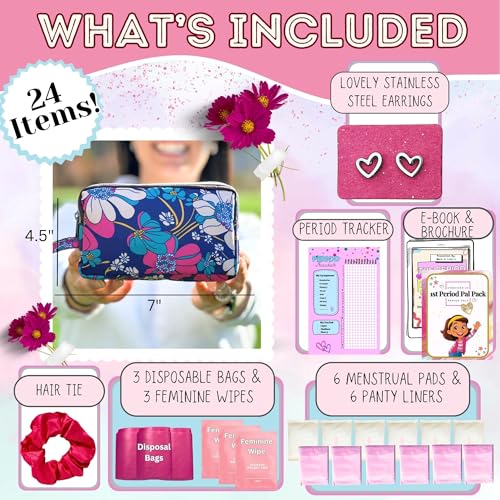
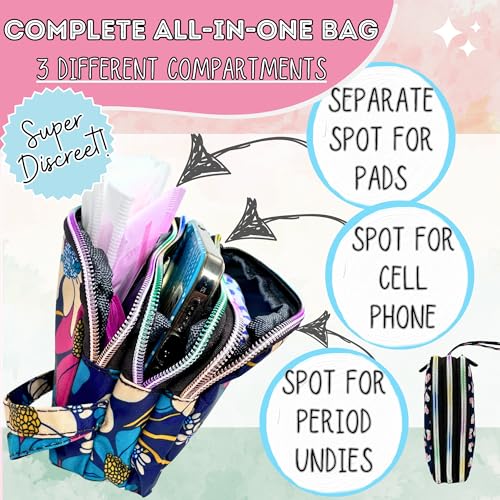
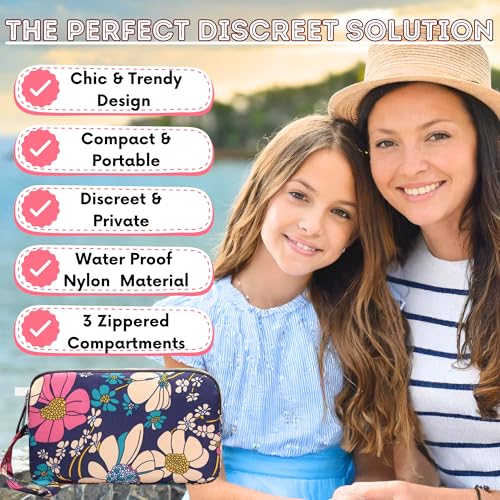
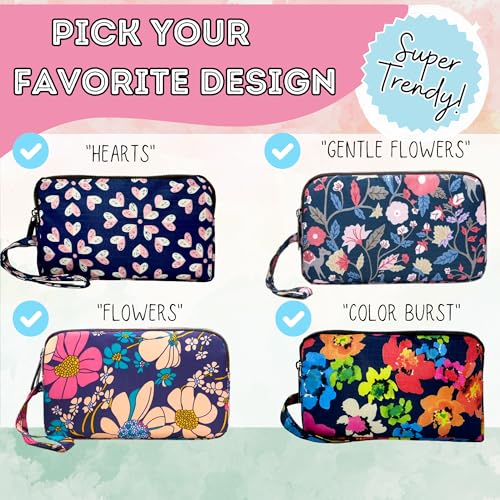
First Period Pal Pack to-Go Kit | 24 pcs | First Period Kit for Tweens | Teen Period Kit| Discrete Period Bag, Pads, Panty Liners, Period Kits for Tweens 10-12 (Flowers)
- CONFIDENCE IN DISGUISE: The discreet bag ensures privacy while carrying essentials—pads, liners, and more. It’
- EBOOK: Empower tweens with knowledge about menstruation through our informative ebook. Understanding their bod
- HEART EARRINGS: These heart-shaped earrings symbolize strength and resilience during this milestone. They serv
For tweens who are already menstruating or approaching it, a complete all-in-one kit that travels easily is worth having in multiple places — backpack, sports bag, and your car.
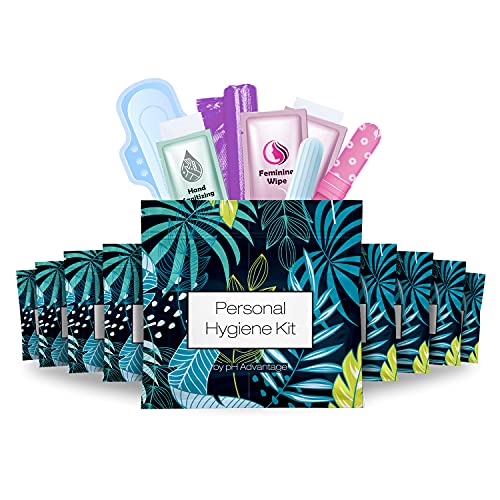
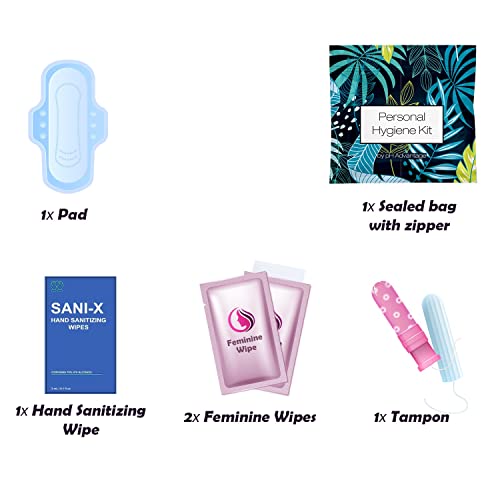
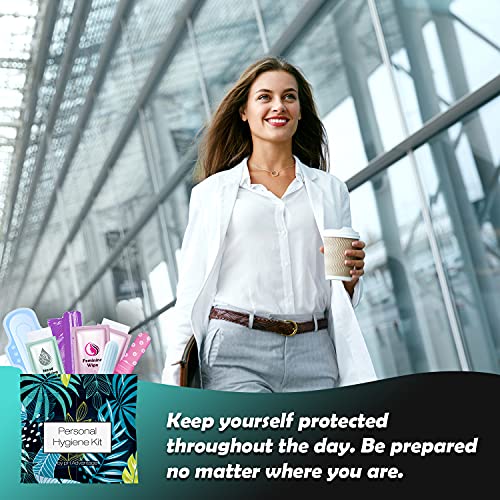

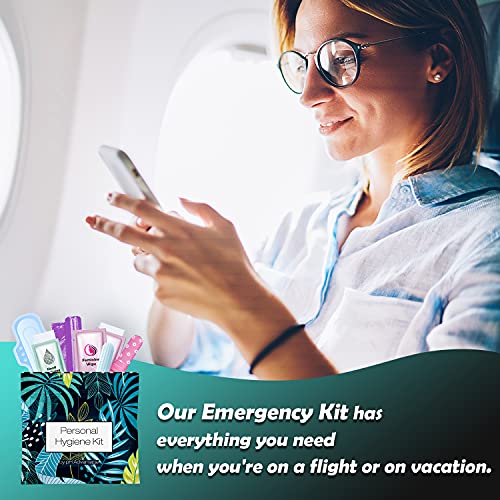
Menstrual Kit All-in-One 10 Pack | Convenience on The Go | Period Kit Pack for Travelling, Tweens & Teenager | Individually Wrapped Feminine Hygiene Product (Blue Forest)
- ALL THE ESSENTIALS YOU NEED: Each Individual Pack comes with: 1 Tampon, 1 Sanitary-Pad, 1 Bag for Disposal, 2
- PACKABLE, PORTABLE, ZIPPABLE: Our 10 PACK of Period kits are compact, lightweight, hermetically sealed and nea
- SMART, CONVENIENT, FUNCTIONAL: Be smart and simplify your life with this convenient All-In-One Menstrual Kit.
5. Body Hygiene in the Tween Years: New Needs, New Habits
Puberty brings sweat glands online in a new way. Apocrine glands — responsible for body odour — activate during puberty. This means hygiene routines that worked fine at age 7 genuinely aren't sufficient at age 10.
The Non-Negotiable New Habits
For travel, sports trips, or school overnights, a compact general hygiene kit means your tween has everything they need without having to pack from scratch.
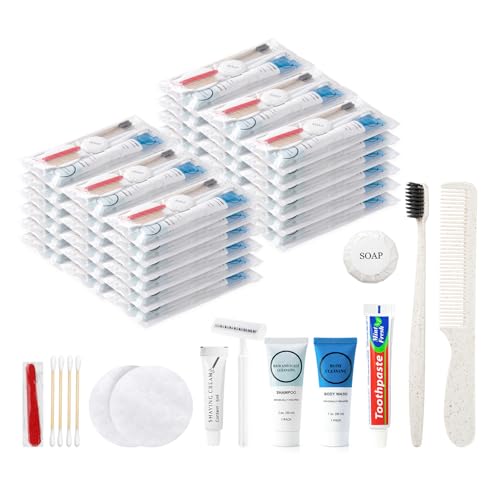
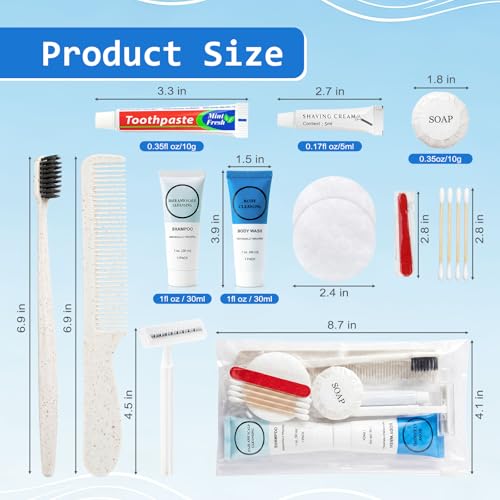
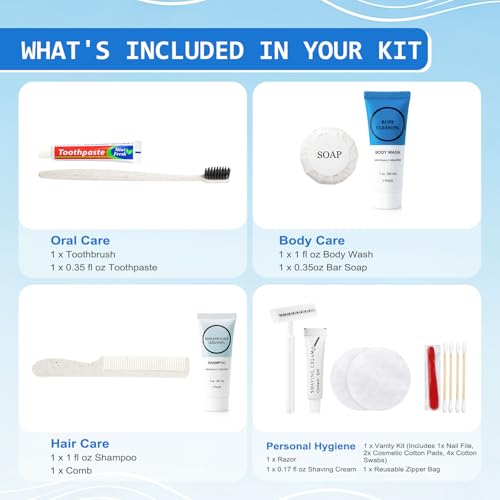
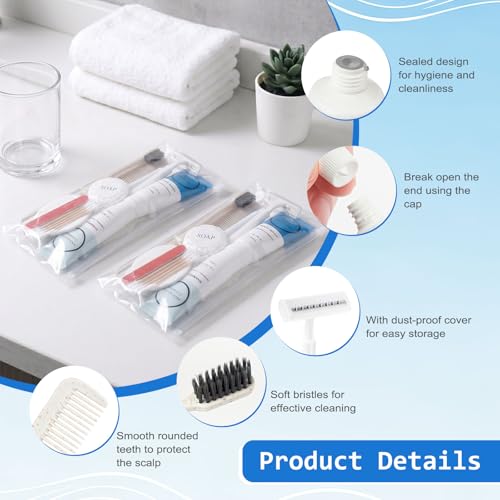

20 Kits Travel Toiletry Kit Bulk, 9-in-1 Disposable Personal Hygiene Kit, Basic Toiletry Kits for Men Women, Homeless Care Supplies Charity Kit for Guest, Hotel, Camping, Travel, Donation
- All-in-One Hygiene Kit: You will receive 20 pack 9-in-1 travel hygiene kits. Each kit includes: 1* soap (10g/0
- Premium Quality Materials: Travel toiletry kit feature soft-bristled toothbrushes for gentle cleaning, sturdy
- Mini Travel-Sized Toiletries: Shampoo and body wash come in sealed 30ml/1.01 fl oz bottles to prevent leaks an
6. Digital Safety and Mental Health: The Invisible Health Risks
The tween years coincide almost exactly with the average age of first smartphone ownership (around 10–11, per Common Sense Media's 2023 report). This creates a collision of developmental vulnerability and digital exposure that has real health consequences.
Mental Health Red Flags to Watch For
✗ Persistent sadness or irritability lasting more than 2 weeks ✗ Withdrawal from friends, family, or activities they previously enjoyed ✗ Significant changes in appetite or sleep unrelated to puberty ✗ Expressions of worthlessness, hopelessness, or self-harm ✗ Declining school performance not explained by learning differencesThe AAP recommends that all children aged 8 and older be screened for anxiety at annual well-child visits, and that adolescents be screened for depression starting at age 12.
Digital Safety Basics
7. Vaccines and Well-Child Visits: The Tween Health Checklist
Ages 11–12 are a designated catch-up and booster window in the CDC's immunisation schedule. Missing these visits means missing time-sensitive protection.
Vaccines Recommended at 11–12 (CDC Schedule)
What to Bring Up at the Visit
Tween Period Kit Comparison: Choosing the Right Option for Your Child
| Kit Type | Best For | What's Included | Key Benefit | Main Drawback | Recommended Product | Price |
|---|---|---|---|---|---|---|
| Starter pad + liner kit | First period, ages 9–12 | Pads, liners, discreet bag, ebook | Gentle intro, no insertables | No tampons for active days | Mark and Lola's First Period Pal Pack | $17.98 |
| All-in-one 10-pack (Blue Forest) | Active tweens, school use | Tampon, pad, disposal bag, wipes | Complete kit per incident | Tampons may intimidate beginners | pH Advantage Blue Forest Kit | $39.99 |
| All-in-one 10-pack (Butterflies) | Tweens who want fun design | Tampon, pad, disposal bag, wipes | Cheerful design reduces anxiety | Same tampon caveat | pH Advantage Butterflies Kit | $39.99 |
| All-in-one assorted colours | Tweens who value variety | Tampon, pad, wipes | Colour variety adds fun | No disposal bag in each pack | pH Advantage Assorted Colors Kit | $39.99 |
| Bulk 60-pack | Families, school nurses, coaches | Tampon, pad, disposal bag, wipes | Best per-unit value | Higher upfront cost | pH Advantage Butterfly 60-Pack | $199.98 |
| General hygiene travel kit | Sleepovers, sports trips, camps | Toothbrush, soap, comb, shampoo, razor | Covers all hygiene needs | Not period-specific | HQSLsund 9-in-1 Travel Kit | $29.99 |
Expert Insights
The tween years can feel like you're parenting a moving target — the child who was easy to talk to at 8 suddenly has earbuds in at 11. But here's what the research consistently shows: your involvement, even when it feels rebuffed, is the most powerful health intervention available. The tweens who navigate puberty, periods, peer pressure, and the internet most confidently aren't the ones with the most information — they're the ones with a parent who stayed in the conversation.
The body your child is growing into right now will carry them for the rest of their life. The habits, the self-knowledge, and the trust you build in these four years are the foundation for everything that follows.
If this guide was useful, save it, share it with another tween parent, or bookmark it for your next well-child visit prep. You've got this — and so do they.
Sources & References
- American Academy of Pediatrics. "Puberty: Adolescent Female." HealthyChildren.org. 2023. https://www.healthychildren.org
- American Academy of Pediatrics. "Immunization Schedule: Children 7–18 Years." HealthyChildren.org. 2024. https://www.healthychildren.org
- Centers for Disease Control and Prevention. "Recommended Child and Adolescent Immunization Schedule." CDC.gov. 2024. https://www.cdc.gov/vaccines/schedules
- Centers for Disease Control and Prevention. "Sleep in Middle and High School Students." CDC.gov. 2023. https://www.cdc.gov/healthyschools/sleep.htm
- World Health Organization. "Physical Activity Fact Sheet: Children and Adolescents." WHO.int. 2022. https://www.who.int/news-room/fact-sheets/detail/physical-activity
- American Academy of Pediatrics. "Anxiety and Depression in Children: Get the Facts." HealthyChildren.org. 2023. https://www.healthychildren.org
- American Academy of Pediatrics. "American Academy of Pediatrics Supports Childhood Sleep Guidelines." AAP News. 2016. https://www.aap.org
- Common Sense Media. "The Common Sense Census: Media Use by Tweens and Teens." 2023. https://www.commonsensemedia.org
- Twenge, Jean M. "iGen: Why Today's Super-Connected Kids Are Growing Up Less Rebellious, More Tolerant, Less Happy — and Completely Unprepared for Adulthood." Atria Books. 2017.
- American Academy of Pediatrics. "Calcium and Bone Health in Children." HealthyChildren.org. 2023. https://www.healthychildren.org
- American Academy of Pediatrics. "HPV Vaccine: What You and Your Parents Need to Know." HealthyChildren.org. 2024. https://www.healthychildren.org
Frequently Asked Questions
At what age should I start talking to my daughter about periods?
How do I know if my tween's puberty is starting too early?
My tween refuses to shower. What should I do?
Which vaccines does my 11-year-old need?
How much screen time is safe for a tween?
My tween seems anxious and withdrawn. Is this normal puberty or something more?
Should my tween use tampons or pads for their first period?
Was this helpful?
Thanks — your feedback helps us pick what to write next.