The Tween Brain: Why Emotions Feel Like a Volume Knob Stuck on Maximum
The tween years (8–12) bring a surge of emotional intensity driven by real brain and hormonal changes — understanding what's happening neurologically helps you respond with empathy and firm boundaries rather than frustration.
In this article
Your 9-year-old slams her bedroom door so hard a picture falls off the wall — then wanders out 20 minutes later asking cheerfully what's for dinner. Sound familiar? You're not imagining the whiplash. According to the American Academy of Pediatrics (AAP), the hormonal and neurological changes of early puberty can begin as young as age 8 in girls and 9 in boys, meaning the emotional turbulence most parents associate with the teen years is already well underway in the tween window.
This guide will help you understand:
1. The Tween Brain: Why Emotions Feel Like a Volume Knob Stuck on Maximum
The single most useful thing you can know about tween behaviour is that it is neurologically driven. Between ages 8 and 12, the limbic system — the brain's emotional engine — is revving hard, while the prefrontal cortex (responsible for impulse control, planning, and perspective-taking) won't fully mature until the mid-twenties. The result is a child who feels everything at adult intensity but can only regulate those feelings at a child's level.
What the Science Actually Shows
Neuroimaging research published by the National Institute of Mental Health (NIMH) confirms that the adolescent brain undergoes its second most significant period of synaptic pruning (the first being infancy) during early puberty. Emotional circuits are literally being rewired.
Hormones compound this. Rising oestrogen and testosterone increase the sensitivity of the amygdala (the brain's alarm system), which is why a minor social slight at school can feel catastrophic to a 10-year-old.
What This Looks Like Day-to-Day
2. Normal vs. Concerning: Reading the Emotional Landscape
Most tween emotional behaviour falls within a wide band of "developmentally normal," but knowing where the line is helps you act early if needed.
The Normal Range
The CDC's developmental milestones for middle childhood note that between 8 and 12, children typically show:
Red Flags That Warrant Professional Attention
The following are not typical tween behaviour and deserve a conversation with your paediatrician:
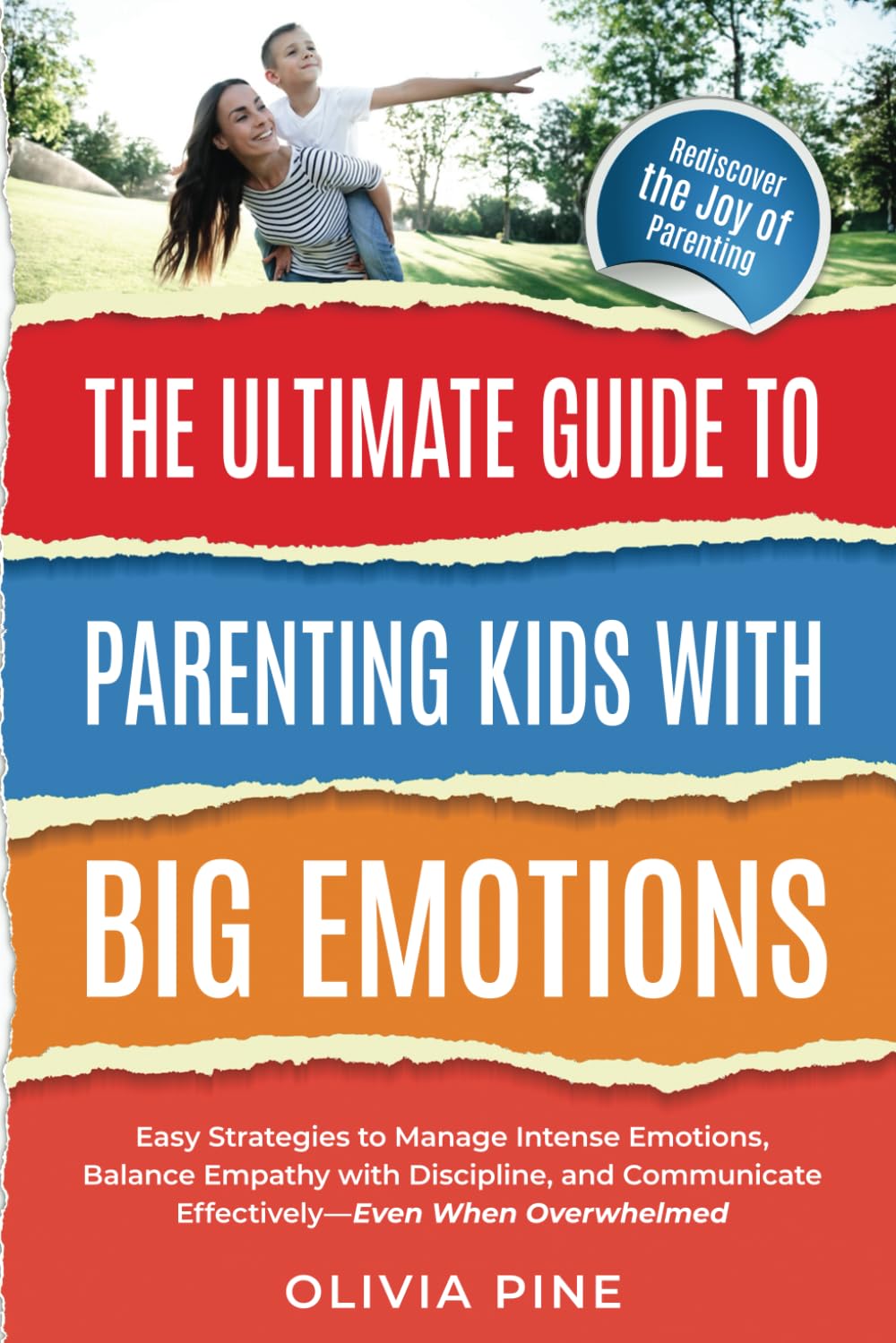
The Ultimate Guide to Parenting Kids with Big Emotions offers a particularly clear framework for distinguishing intense-but-normal from clinically significant emotional patterns.
3. The Emotional Intelligence Edge: Skills That Change Everything
Emotional intelligence (EQ) — the ability to identify, understand, and manage emotions — is one of the strongest predictors of long-term wellbeing, academic success, and healthy relationships. The good news: EQ is a skill set, not a fixed trait, and the tween years are a prime window to build it.
The Core EQ Skills for This Age Group
Research from Yale University's Center for Emotional Intelligence identifies five key competencies relevant to tweens:
1. Recognising emotions in themselves and others 2. Labelling emotions with nuanced vocabulary (not just "fine" or "mad") 3. Understanding what triggers certain feelings 4. Regulating — choosing how to respond rather than just react 5. Using emotions constructively (channelling anxiety into preparation, for example)
Emotions are information, not noise. Teaching children to read that information accurately is one of the most powerful things a parent can do.
— Marc Brackett, Ph.D., Yale Center for Emotional Intelligence (2019)
Practical Ways to Build EQ at Home

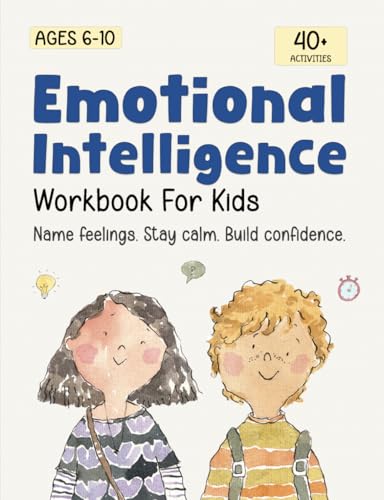
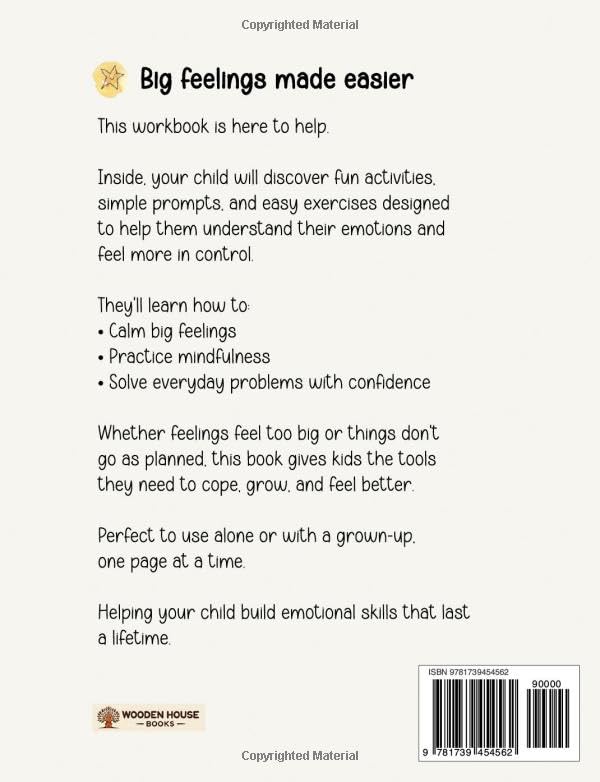
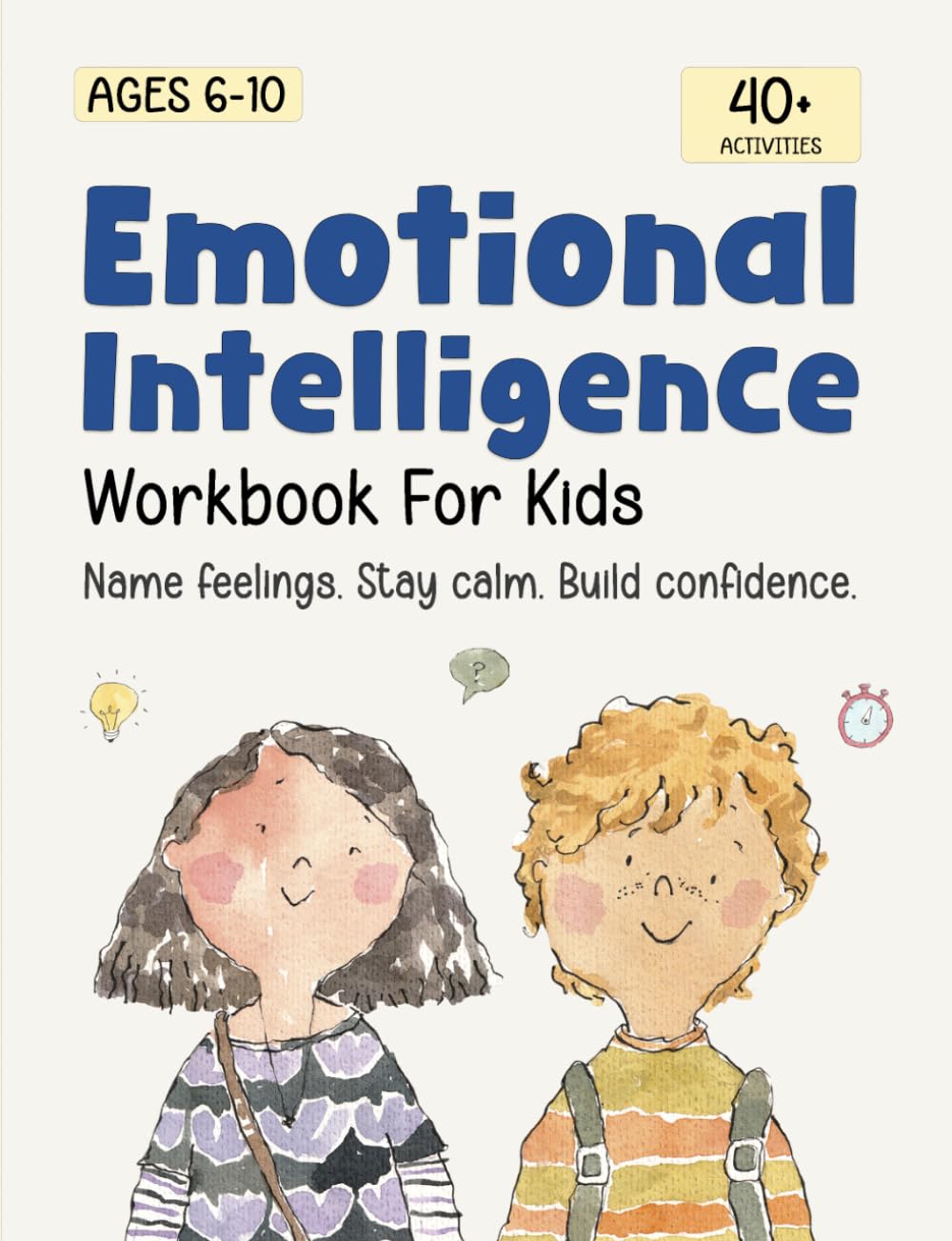
Emotional Intelligence for Kids Workbook: Understanding Feelings, Self-Regulation and Mindfulness
- Children's Books
- Growing Up & Facts of Life
- Friendship, Social Skills & School Life
The Emotional Intelligence for Teens & Young Adults guide is an excellent companion resource for tweens who are ready to start exploring these concepts more independently.
4. Behaviour Management: Holding Boundaries Without the Power Struggle
Boundaries feel personal to tweens. They interpret rules as control, and control as disrespect. The trick is to hold firm limits while preserving the relationship — and that requires a specific approach.
Why Traditional Discipline Loses Its Grip
The command-and-comply model that worked at age 5 starts to fail around age 9–10, not because you've lost authority, but because your child's developing autonomy drive is working exactly as it should. The goal shifts from obedience to internalised values.
The Authoritative Formula

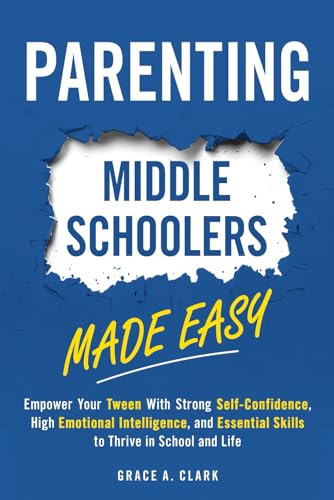
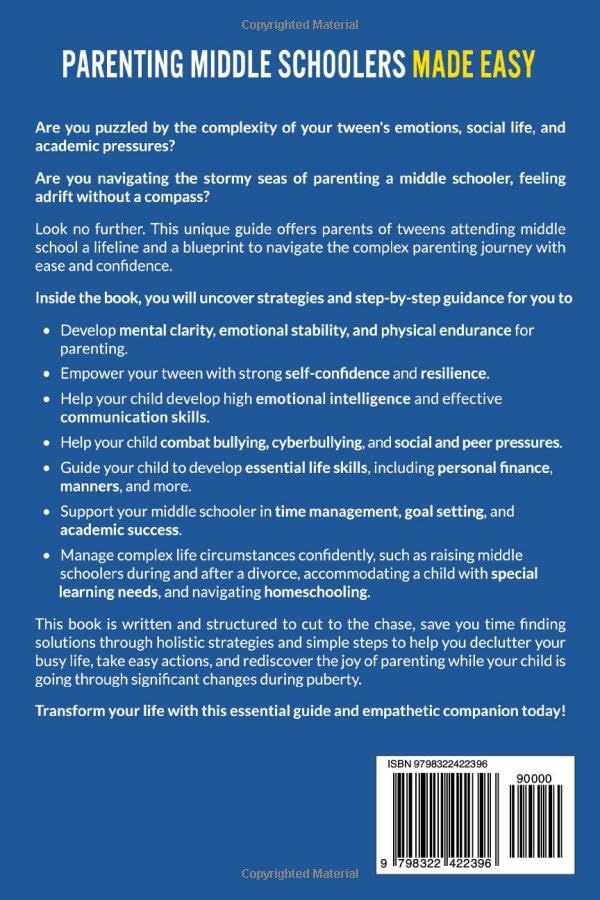
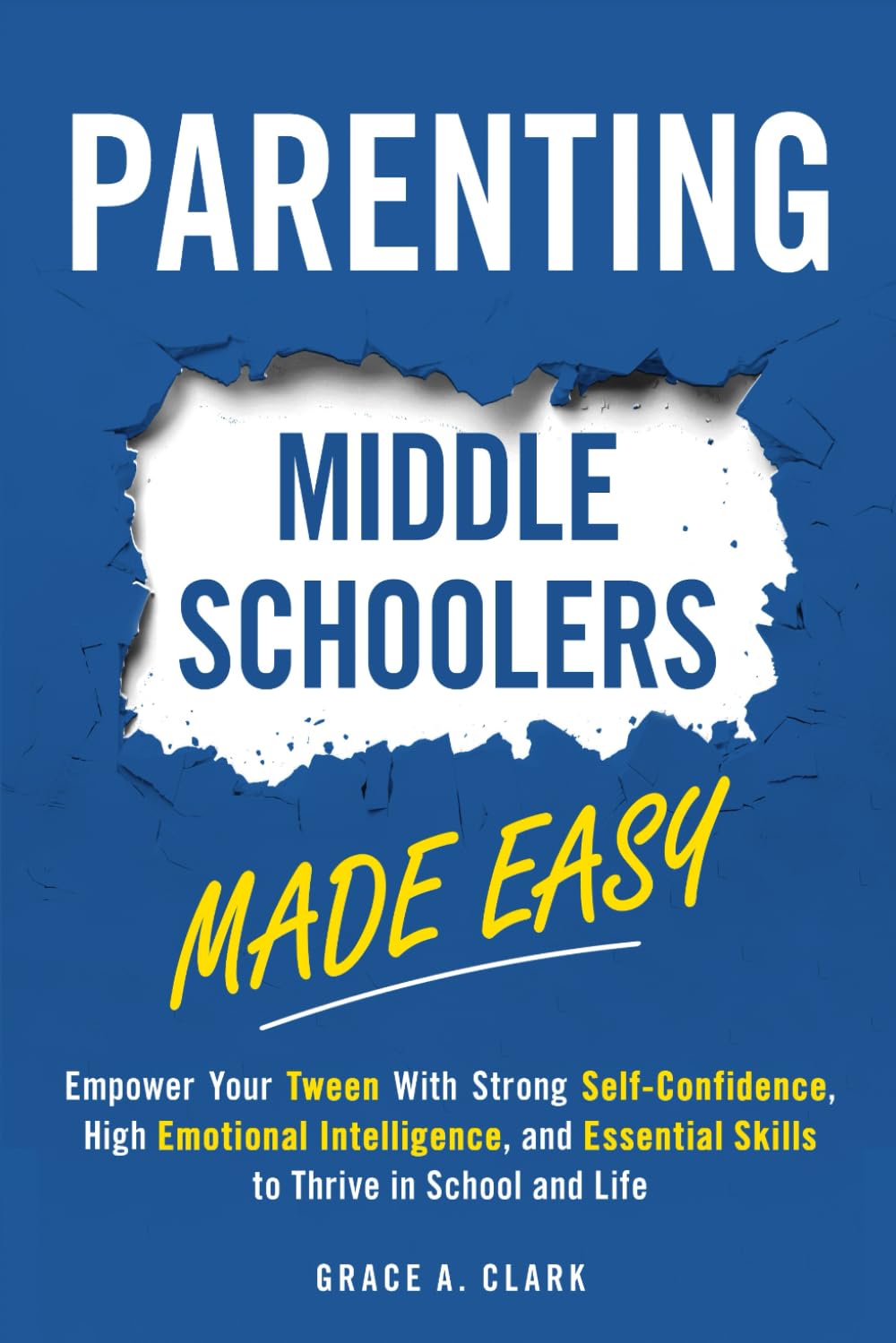

Parenting Middle Schoolers Made Easy: Empower Your Tween With Strong Self-Confidence, High Emotional Intelligence, and Essential Skills to Thrive in School and Life
- Parenting & Relationships
- Family Relationships
- Stepparenting & Blended Families
5. Peer Relationships and Social-Emotional Complexity
Around age 10, the peer group becomes the primary social world. This is healthy and necessary — but it introduces a new emotional curriculum: exclusion, loyalty tests, social comparison, and the first stirrings of romantic interest.
What's Developmentally Happening
The World Health Organization (WHO) notes that social belonging is a core psychological need that intensifies during early adolescence. Rejection by peers activates the same neural pathways as physical pain — which is why your tween's social distress is never "just drama."
Navigating the Social Minefield
The Emotional Regulation for Middle School Parents workbook includes specific scripts for exactly these conversations — highly practical for parents who feel stuck.
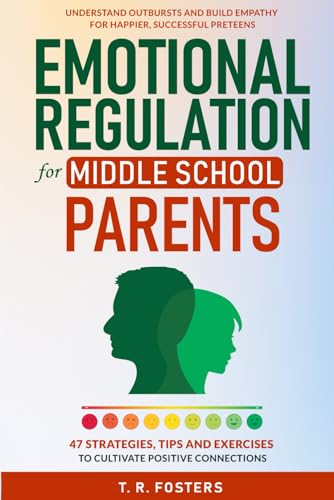
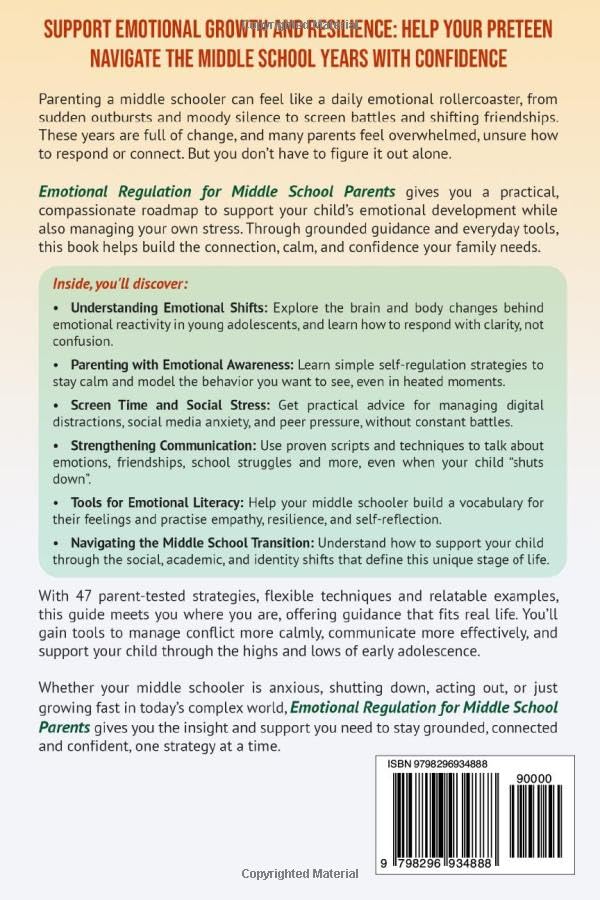
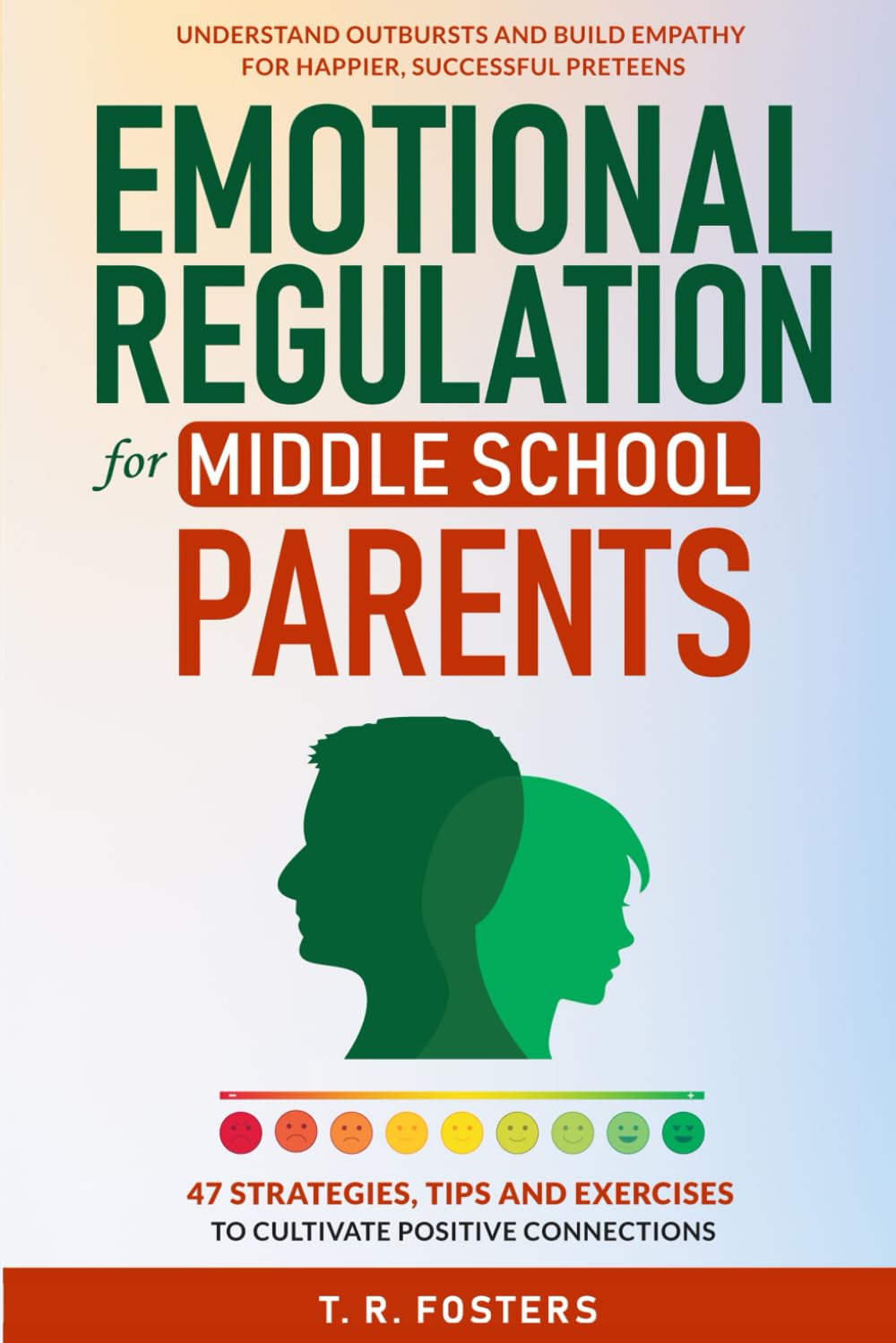

Emotional Regulation for Middle School Parents: 47 Strategies, Tips and Exercises to Cultivate Positive Connection. Understand Outbursts and Build ... Successful Preteens (Positive Parenting)
- Relationships
- Conflict Management
- Image Unavailable Image not available forColor:
6. Stress, Anxiety, and the Pressure to Perform
Academic pressure, social media exposure, and the general pace of modern life mean today's tweens are carrying a heavier stress load than previous generations. The Royal College of Paediatrics and Child Health (RCPCH) reported in 2023 that rates of emotional difficulties in 5–16-year-olds in the UK have risen from 1 in 9 to 1 in 5 since 2017.
Recognising Tween Stress vs. Tween Anxiety
| Emotional Challenge | Typical Signs | Duration | Impacts Function? | Recommended Resource | Approx. Cost |
|---|---|---|---|---|---|
| Normal stress | Irritability before a test, trouble sleeping one night | Hours to days | Mild, temporary | Emotions for Teens & Tweens Workbook | Low |
| Performance anxiety | Avoidance, stomach aches on school mornings, catastrophic thinking | Weeks | Moderate | EQ for Teens & Young Adults | Low |
| Generalised anxiety | Persistent worry across multiple domains, physical symptoms | Months | Significant | Parenting Kids with Big Emotions | Low |
| Social anxiety | Avoidance of peers, panic in group settings | Weeks–months | Significant | Emotional Regulation for Middle School Parents | Low |
| Depressive episode | Flat affect, withdrawal, sleep/appetite changes | 2+ weeks | Severe | Professional referral + Parenting Middle Schoolers Made Easy | Varies |
Stress-Reduction Strategies That Actually Work for This Age
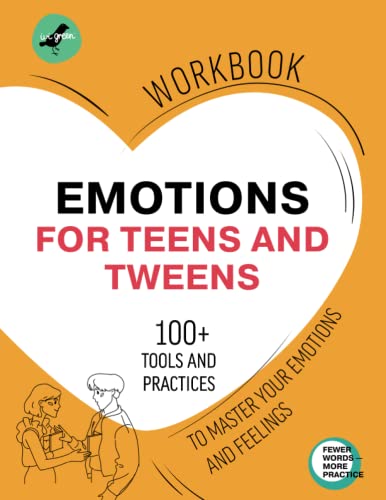
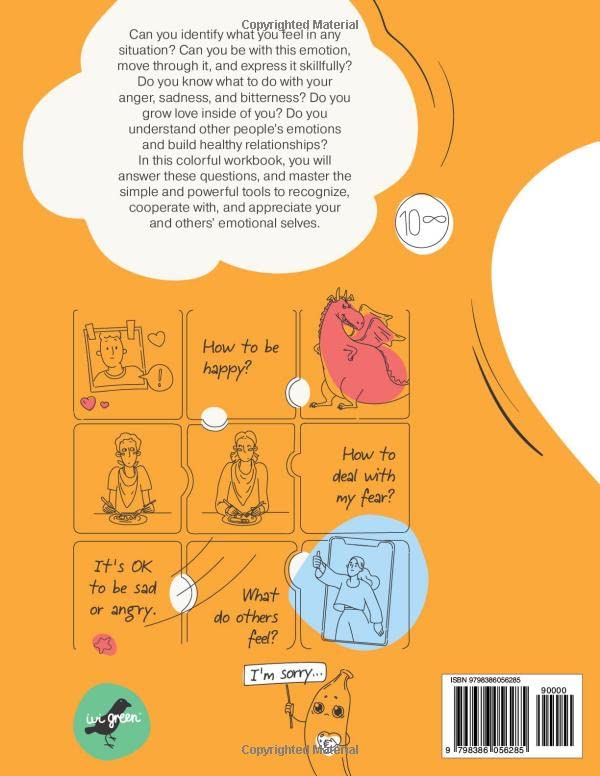
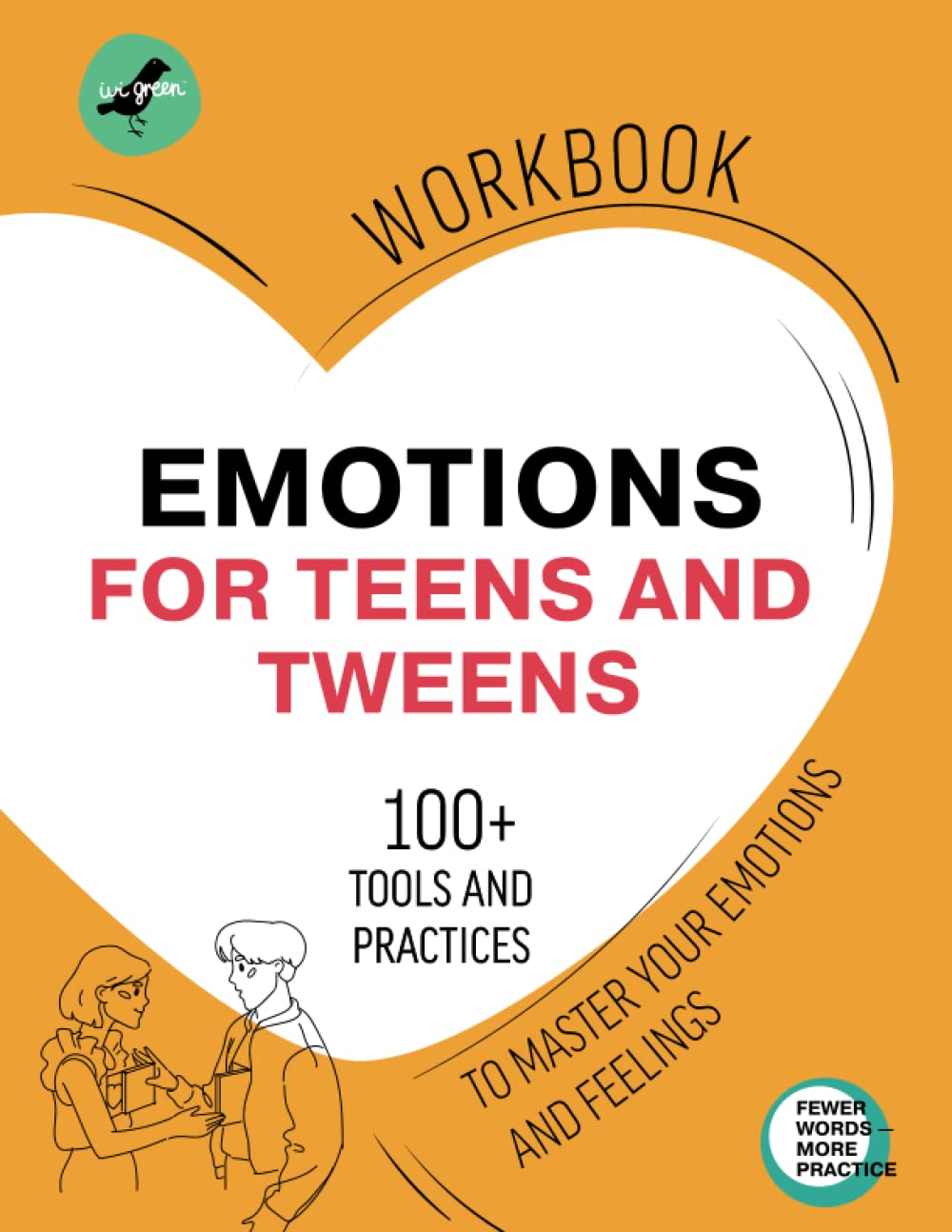
EMOTIONS FOR TEENS AND TWEENS: Workbook to Master Emotions and Feelings. 100+ Questions, Quizzes, and Fun Practices for Understanding, Managing, ... Relationships (Life Skills 101 For Teens)
- Teen & Young Adult
- Personal Health
- Depression & Mental Health
7. Building Emotional Resilience for the Teen Years Ahead
Everything you do in the tween window is an investment in the teenager standing just around the corner. Resilience isn't about toughening kids up — it's about building the internal resources to recover from difficulty.
The Three Pillars of Tween Resilience
1. Secure attachment to at least one adult Research from the Search Institute shows that having just one stable, caring adult relationship is the single most protective factor against negative adolescent outcomes. It doesn't have to be a parent — a grandparent, coach, or teacher counts.
2. A sense of competence Tweens who have mastered something — a sport, an instrument, a skill — have evidence they can do hard things. Protect time for genuine mastery experiences.
3. Emotional vocabulary and regulation tools Children who can name what they feel are better able to manage it. The Emotional Intelligence for Kids Workbook is one of the most practical tools I've seen for building this vocabulary in an age-appropriate way.
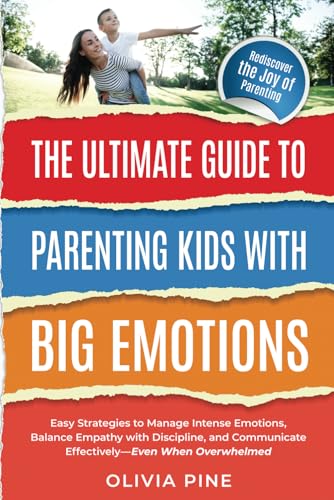
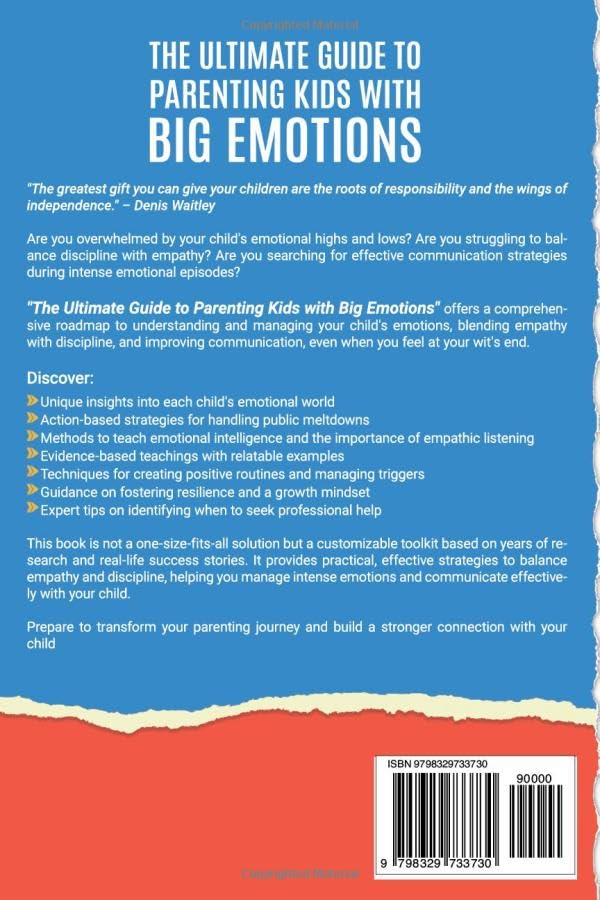
The Ultimate Guide To Parenting Kids with Big Emotions:: Easy Strategies to Manage Intense Emotions, Balance Empathy with Discipline, and Communicate Effectively—Even When Overwhelmed
- Parenting & Relationships
- School-Age Children
- Image Unavailable Image not available forColor:
The tween years can feel like you're parenting a stranger who occasionally looks like your child. But underneath the eye-rolls and slammed doors is a kid who still needs you — just differently than before. They need you to stay curious when they push you away, to hold limits without holding grudges, and to believe in their capacity to grow through the hard stuff.
The tweens who thrive are not the ones who never struggle — they're the ones whose parents stayed in the room.
If this guide helped you see your tween a little more clearly, save it, share it with a co-parent or carer, and come back to it on the hard days. You're doing better than you think.
Sources & References
- American Academy of Pediatrics. "Bright Futures: Guidelines for Health Supervision of Infants, Children, and Adolescents." 4th Edition. 2017. https://brightfutures.aap.org
- National Institute of Mental Health (NIMH). "The Teen Brain: 7 Things to Know." 2023. https://www.nimh.nih.gov/health/publications/the-teen-brain-7-things-to-know
- Centers for Disease Control and Prevention (CDC). "Child Development: Middle Childhood (6–8 years) and (9–11 years)." 2023. https://www.cdc.gov/ncbddd/childdevelopment
- World Health Organization (WHO). "Adolescent Mental Health." 2023. https://www.who.int/news-room/fact-sheets/detail/adolescent-mental-health
- Royal College of Paediatrics and Child Health (RCPCH). "State of Child Health Report." 2023. https://stateofchildhealth.rcpch.ac.uk
- NHS England. "Child and Adolescent Mental Health Services (CAMHS) Evidence-Based Interventions." 2022. https://www.england.nhs.uk/mental-health/cyp/
- Brackett, Marc A. "Permission to Feel." Celadon Books, 2019. Yale Center for Emotional Intelligence. https://ycei.org
- Siegel, Daniel J. "Brainstorm: The Power and Purpose of the Teenage Brain." Tarcher/Penguin, 2013.
- Baumrind, Diana. "The Influence of Parenting Style on Adolescent Competence and Substance Use." Journal of Early Adolescence, 1991.
- Search Institute. "Developmental Relationships Framework." 2020. https://www.search-institute.org/developmental-relationships/
Frequently Asked Questions
Why is my 10-year-old suddenly so moody?
How do I talk to my tween when they shut me out?
Is my tween's anxiety normal or should I be worried?
How do I discipline a tween without constant arguments?
What's the right amount of independence for a tween?
How can I help my tween build emotional intelligence?
My tween is being excluded at school — what should I do?
Was this helpful?
Thanks — your feedback helps us pick what to write next.