Speech Delay Red Flags by Age: 8 Tools That Actually Help
Speech delay affects roughly 1 in 12 children, and missing the age-specific red flags is the single biggest barrier to early intervention — which works best before age 3.

In this article
Around 1 in 12 children experience a speech or language delay, according to the American Speech-Language-Hearing Association (ASHA). Yet many parents spend months reassuring themselves with "he'll talk when he's ready" before a professional confirms what their gut already knew. The good news: language development follows a predictable enough sequence that parents who know what to look for can act fast, and early action makes a measurable difference.
This guide walks you through the red flags at each toddler milestone (12 months to 3 years), pairs those flags with practical tools recommended by speech-language pathologists, and tells you exactly when to pick up the phone and call a professional.
What you'll understand after reading:
1. How Speech Development Actually Works in the Toddler Years
Language development is not a single skill; it is a cascade of overlapping abilities. Your toddler is simultaneously learning to control the muscles of the mouth (speech motor skills), understand incoming words (receptive language), and produce meaningful output (expressive language). All three need to be on track.
ASHA breaks development into broad but useful bands. By 12 months, most children say one or two words with meaning. By 18 months, they typically have 10 to 20 words. By 24 months, they combine two words ("more milk," "daddy go"). By 36 months, a stranger should understand roughly 75 percent of what a toddler says.
Understanding why these steps happen in order helps you spot when something is off. The brain is wiring its language circuits at extraordinary speed during this window, which is exactly why the toddler years are the highest-leverage period for intervention. You can read more about how the brain builds language during this sensitive period to understand what is happening under the hood.
Play also matters more than most parents realise. Research consistently shows that open-ended, hands-on play drives vocabulary growth, and tools like the JoyCat Sorting Toy are specifically designed to pair tactile exploration with naming and categorising, two of the earliest vocabulary-building acts.
2. Red Flags at 12 and 18 Months: The Earliest Warning Signs
The earliest red flags are easy to dismiss, but they matter most. At 12 months, watch for these warning signs:
At 18 months, the bar rises:
For families noticing these early signs, a tool like the My First Learn-to-Talk Book offers a gentle, low-pressure way to build shared attention and early vocabulary during story time. Created with early speech development principles in mind, it scaffolds the exact joint-attention moments that prime the brain for language.


My First Learn-to-Talk Book: Created by an Early Speech Expert!
- Children's Books
- Early Learning
- Basic Concepts
3. Red Flags at 24 Months: The Two-Word Turning Point
The 24-month mark is one of the clearest diagnostic windows in all of toddler development. Most children are combining two words spontaneously by this age. When that does not happen, it rarely resolves without support.
Key red flags at 24 months:
For children in this window, pairing professional therapy with structured at-home activities is the standard of care. The Speech Therapy for Toddlers activity book, designed by a speech and language therapist, gives parents 137 structured games that directly target early communication without requiring specialist training to deliver.


Speech Therapy for Toddlers: Develop Early Communication Skills with 137 GAMES designed by a Speech and Language Therapist
- Parenting & Relationships
- Early Childhood
- Image Unavailable Image not available forColor:
Vocabulary flashcards are another high-value addition at this stage. The Airbition Talking Flash Cards cover 224 words across categories (animals, food, vehicles) with real audio, making the sound-image link explicit, which is exactly how toddlers cement new vocabulary.
4. Red Flags at 36 Months: Grammar, Clarity, and Social Language
By age 3, speech milestones move beyond single words and two-word phrases into the territory of grammar and intelligibility. This is also when social language, or how a child uses words with other people, becomes a clearer diagnostic signal.
Watch for these red flags at 36 months:
When Social Language Becomes the Red Flag
Some children have adequate vocabulary but struggle with the social use of language (called pragmatics). They may not make eye contact while communicating, may talk at rather than with people, or may not respond to their name reliably. These patterns can sometimes indicate neurodevelopmental differences worth exploring, and they are worth raising with your paediatrician or an SLP specifically.
Understanding what neurodiversity means for a toddler can help you approach these conversations with clarity rather than anxiety.
At this stage, action-oriented language becomes especially important. Verb vocabulary is often weaker than noun vocabulary in children with delays. The Action Book by a Speech Therapist targets verbs specifically, which is clinically smart — children need both nouns and verbs to build grammatical sentences.
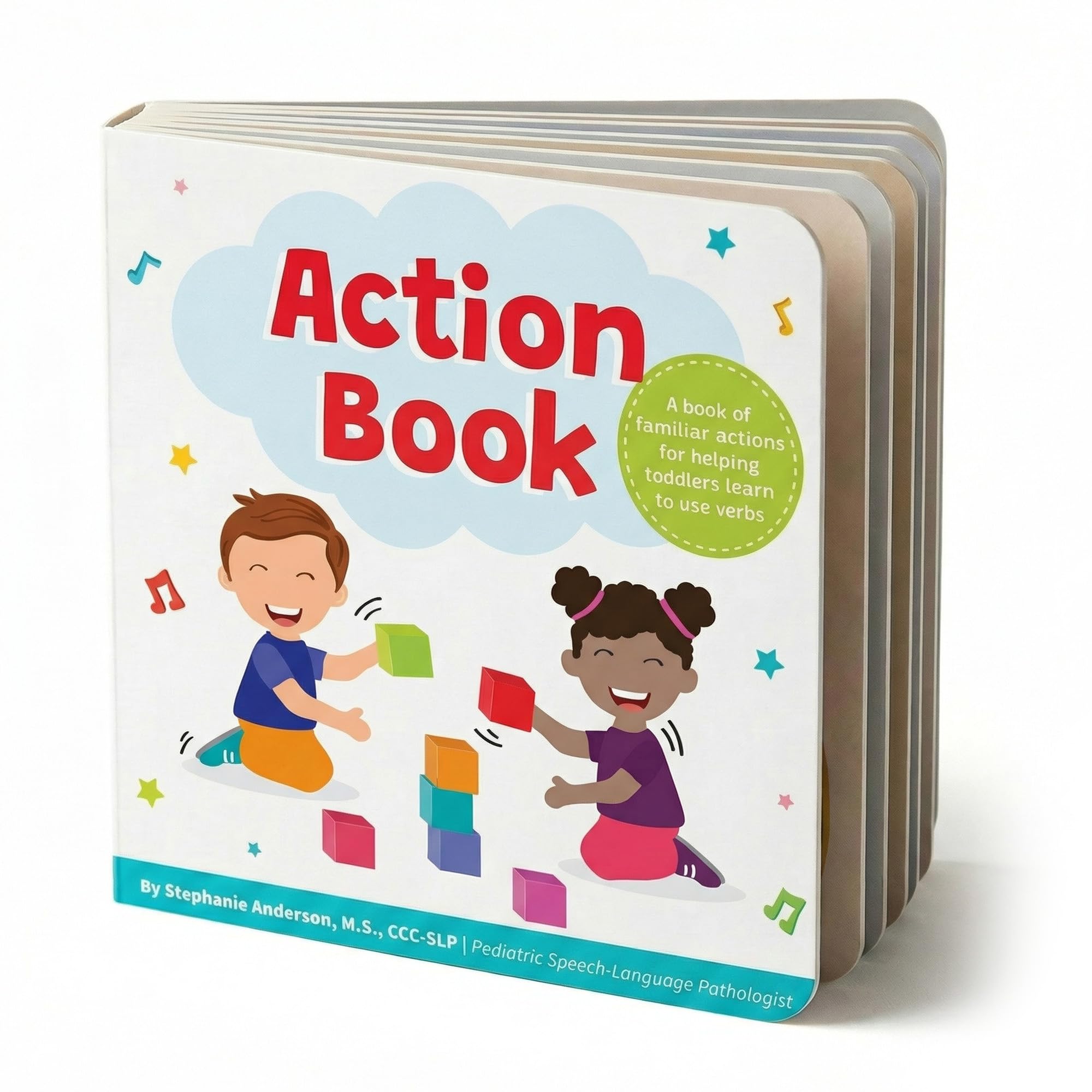
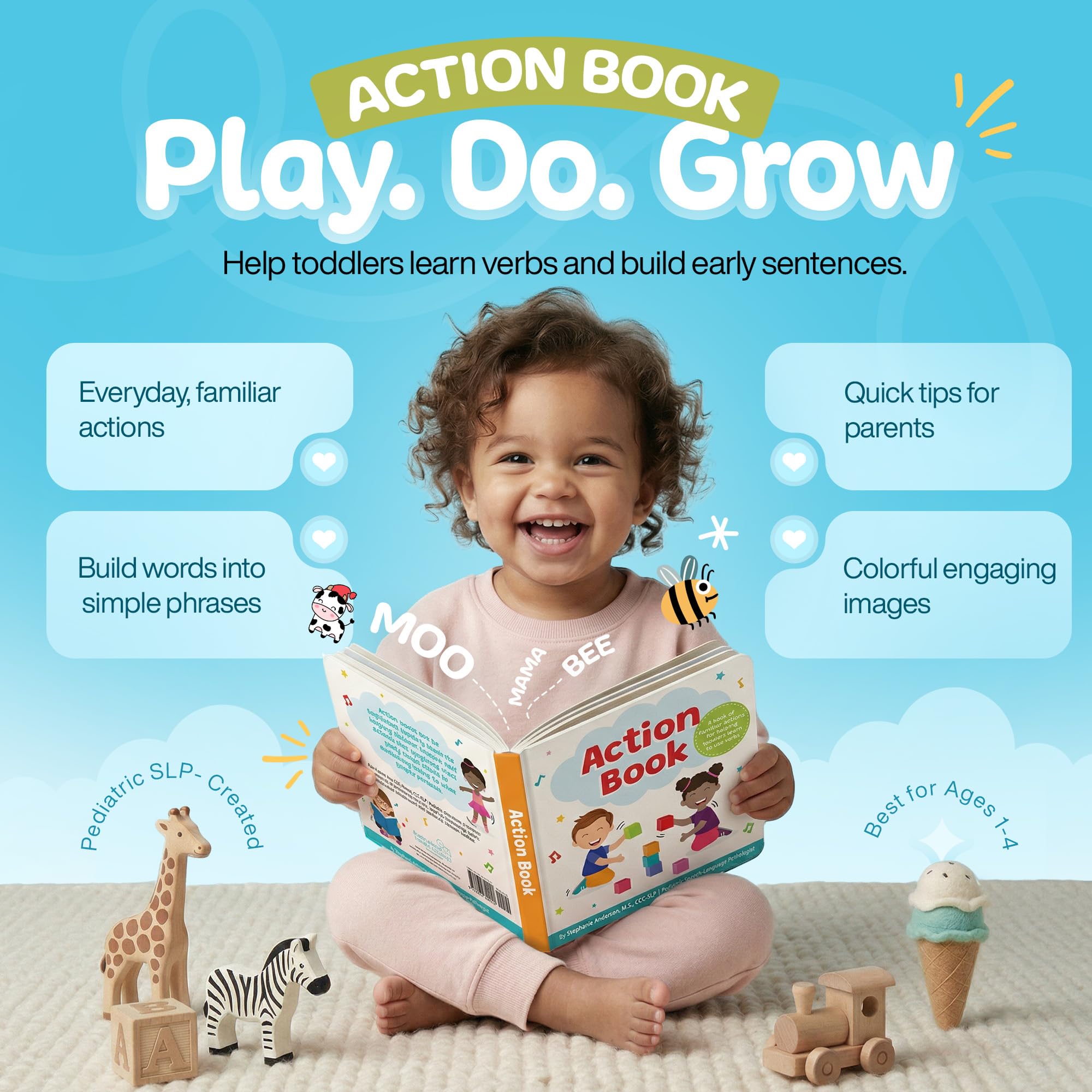
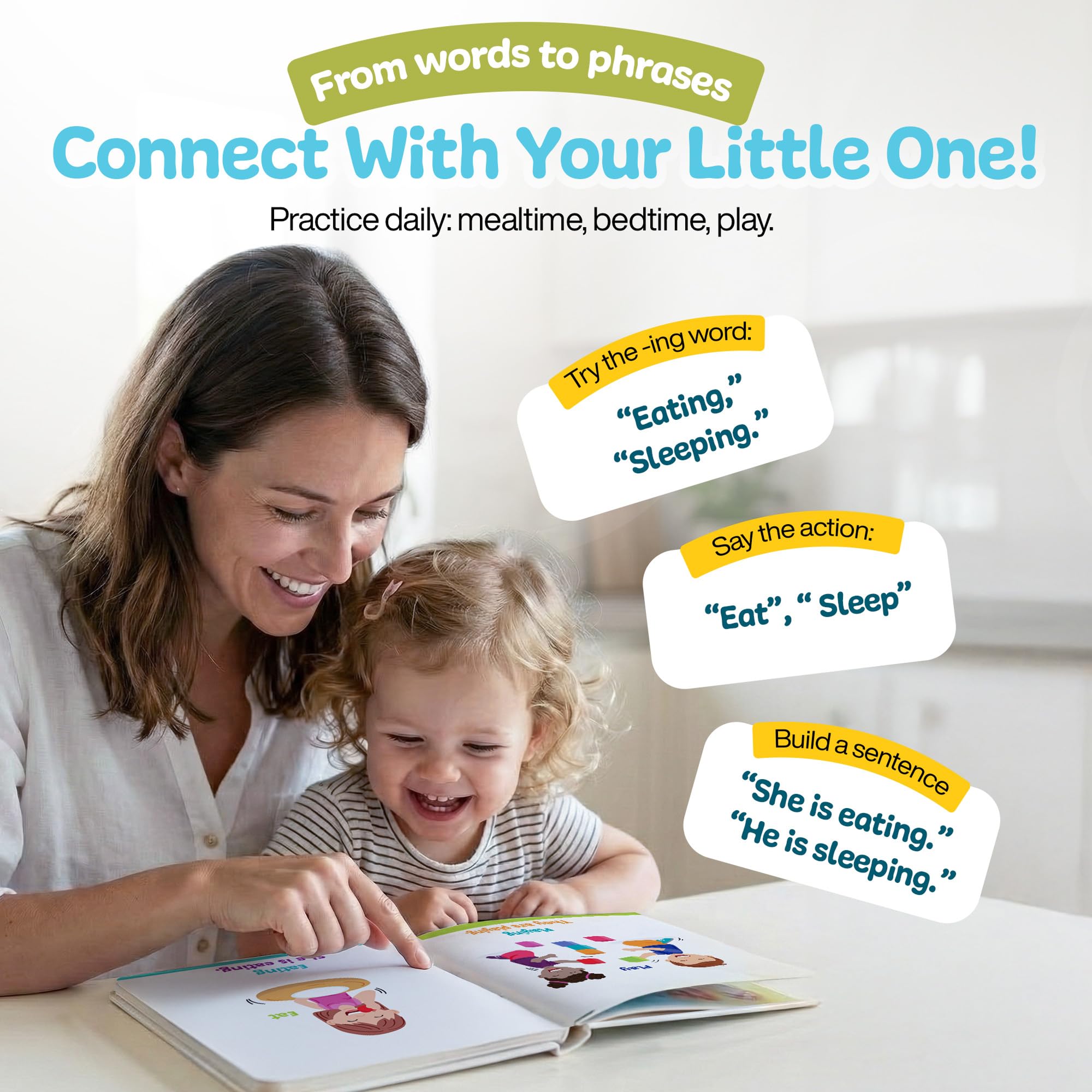
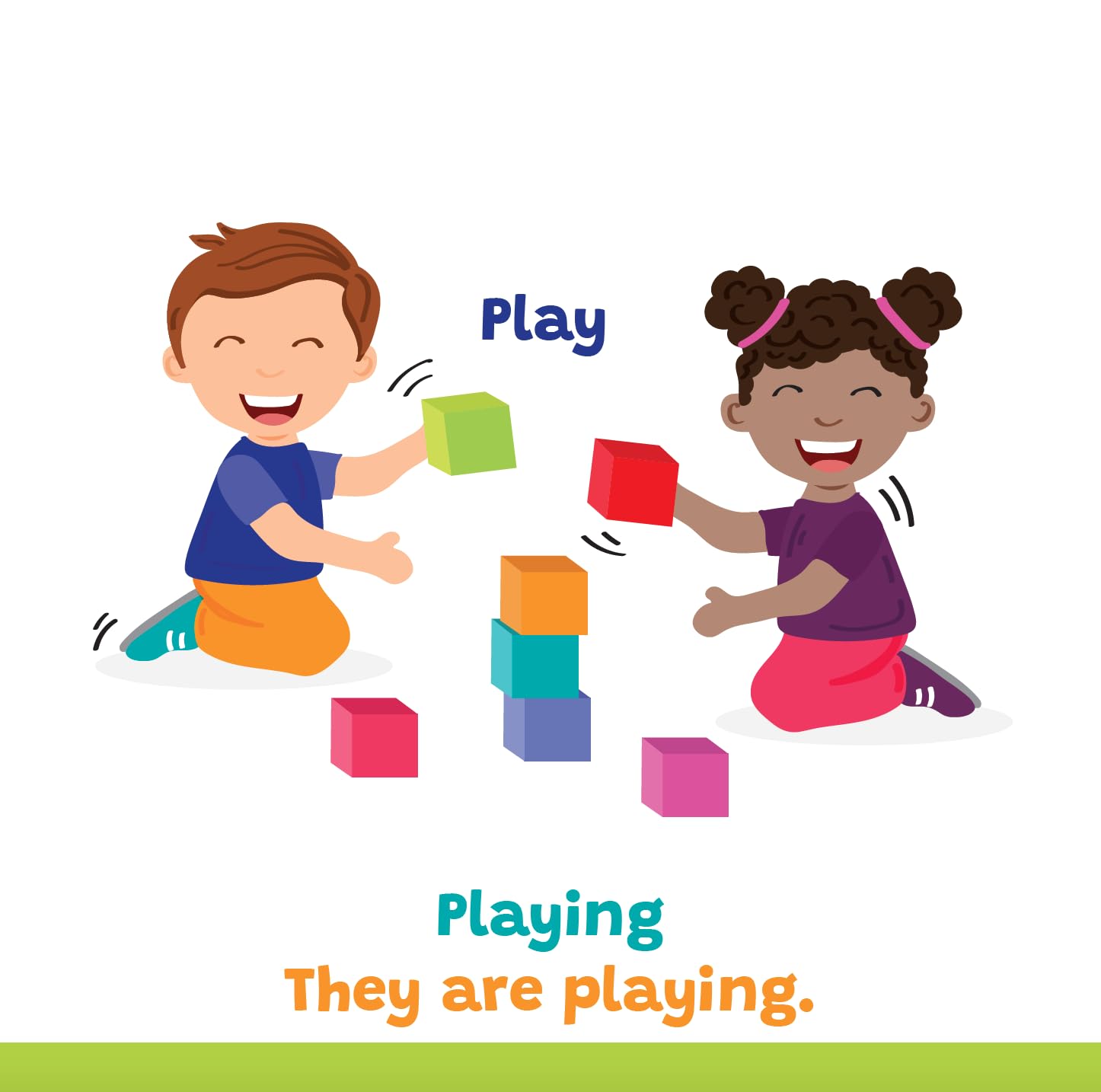
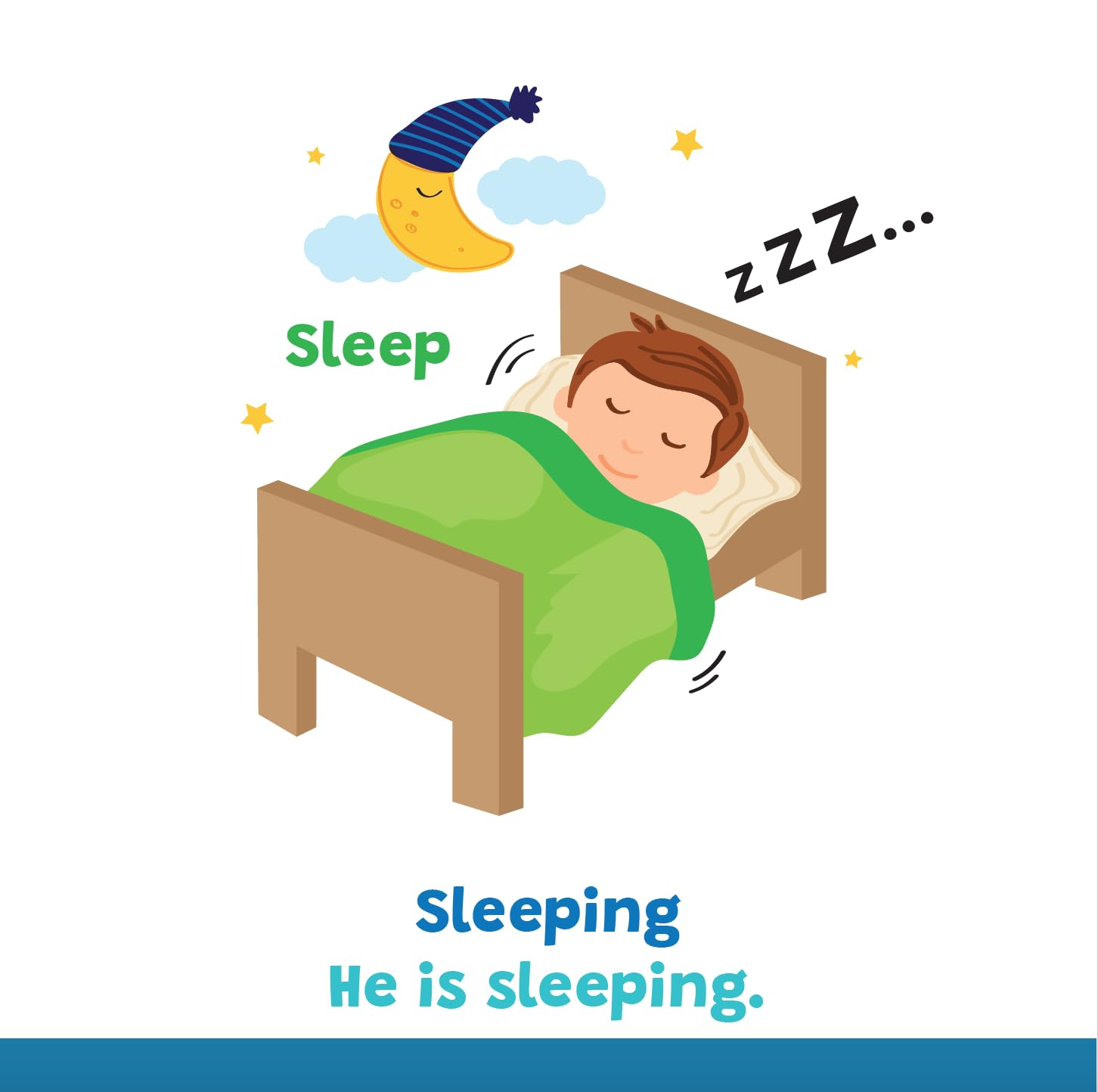
Action Book: Children's Board Book for Learning Verbs For Toddlers Ages 1-4, Written by a Speech Therapist
- Children's Books
- Early Learning
- Image Unavailable Image not available forColor:
5. Tools That Actually Help: What SLPs Recommend for Home Use
Eight tools consistently appear in SLP recommendations for toddler-age speech support. The best ones share three features: they are parent-mediated (adults use them with the child rather than leaving the child alone with a device), they target specific language skills, and they build on play.
Phonemic Awareness and Auditory Feedback
The hand2mind Phoneme Phone is a simple, brilliant tool: your toddler speaks into the curved receiver and hears their own amplified voice fed directly into their ear. This immediate auditory feedback helps children hear and self-correct sounds in a way that silent reading never can. It costs under $8 and has a 4.5-star rating from nearly 1,500 reviewers.


hand2mind Phoneme Phone, Speech Therapy Toys, Autism Learning Materials, Toddler Speech Development Toys, Dyslexia Tools for Kids, Phonemic Awareness, ESL Teaching Materials, Reading Phones
- ESL TEACHING MATERIALS: With our phoneme phone, discover a heightened listening experience that help learn eng
- BUILD PHONEMIC AWARENESS: Students speak softly into the "receiver" and hear their amplified voice directed in
- READING WHISPER PHONES: Using the phoneme phone results in an effective, multisensory learning experience that
Sorting, Naming, and Categorising
The JoyCat Sorting Toy goes beyond colour sorting. When a parent narrates the process — "That's a triangle. Where does the triangle go? In the triangle box!" — the toy becomes a structured vocabulary and grammar drill disguised as play.
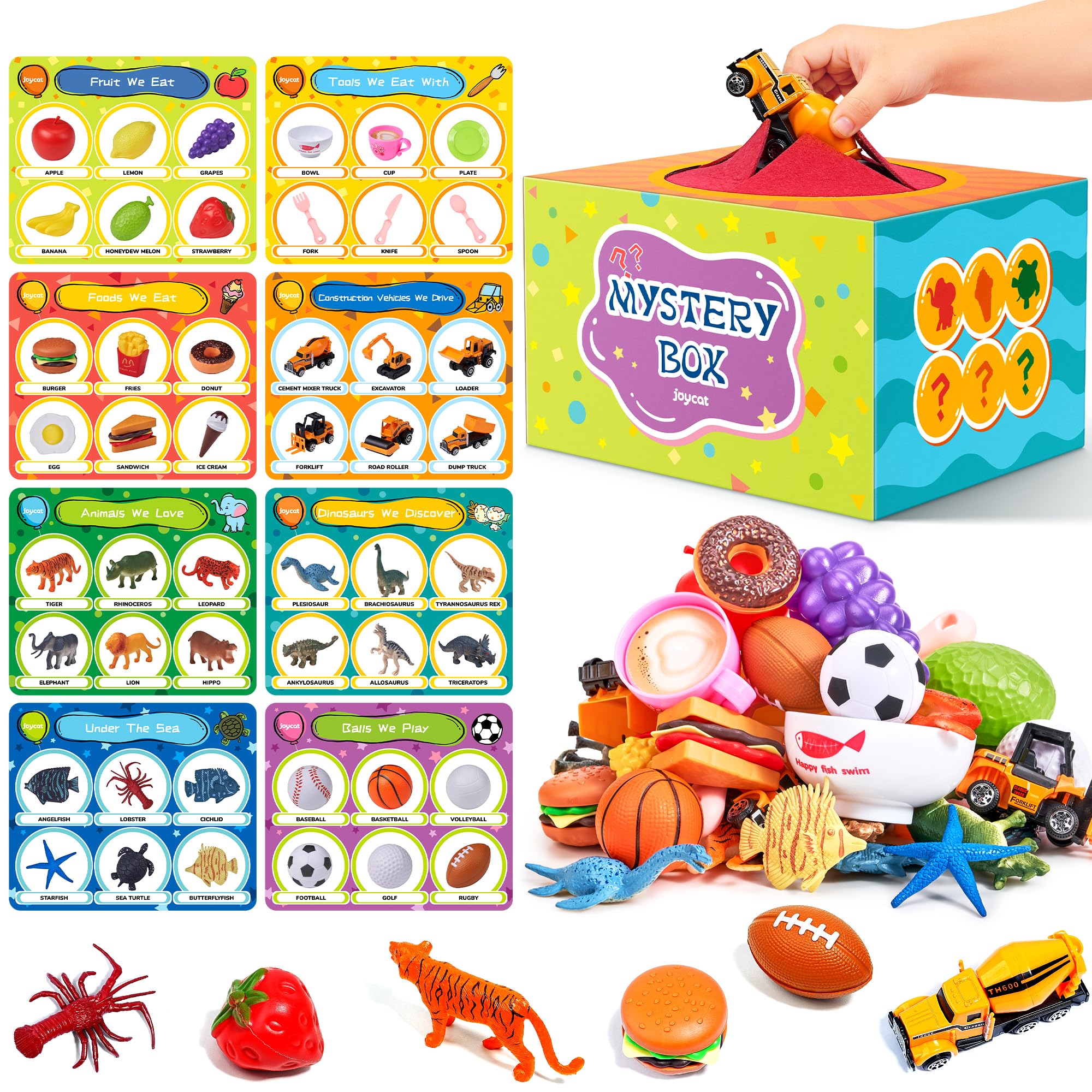


JoyCat Sorting Toys for Toddlers – Sensory Play Box with 48 Sorting Objects, Montessori Preschool Learning Toy to Support Early Cognitive & Speech Development for Ages 2–5
- Sensory Sorting Toy for Early Learning: Designed as a hands-on sensory sorting toy, this play set helps toddle
- Supports Speech & Language Development Through Play: Sorting, naming, and matching the objects encourage toddl
- Ideal for Preschool & At-Home Learning: With 8 double-sided activity mats, children can follow visual prompts
Books Written by Clinicians
Both the My First Learn-to-Talk Book and the Action Book were created with explicit developmental goals in mind. Books written or reviewed by SLPs tend to use repetitive structures, simple vocabulary, and strong image-word correspondence, all of which accelerate learning.
The broader science of how creative play builds the toddler brain explains why all of these play-based tools outperform passive screen exposure for language growth.
6. When Home Tools Are Not Enough: Getting Professional Help
Home tools are a supplement, not a substitute, for professional evaluation when real red flags are present. Knowing when to escalate is one of the most important things you can do as a parent.
Seek a professional evaluation if:
What the Evaluation Process Looks Like
An SLP evaluation for a toddler typically includes a parent interview, structured observation of play, and standardised assessments. It is not stressful for the child. Most toddlers experience it as a play session.
If your child qualifies for early intervention services (in the US, under the Individuals with Disabilities Education Act, children under 3 can access free services through the state), services often begin within weeks. Ask your paediatrician about your country's equivalent pathway: in the UK, ask your health visitor or GP about NHS speech therapy referral; in Australia, request a referral through your child health nurse.
Age-by-Age Tool Comparison
| Age Stage | Primary Red Flag | Key Skill to Target | Recommended Product | Price Range |
|---|---|---|---|---|
| 12 months | No babbling or gestures | Joint attention, first words | My First Learn-to-Talk Book | $7–8 |
| 18 months | Fewer than 10 words | Vocabulary expansion | Airbition Talking Flash Cards | $9–10 |
| 24 months | No two-word combinations | Expressive language, verbs | Action Book by SLP | $10–12 |
| 24–36 months | Unclear speech sounds | Phonemic awareness, articulation | hand2mind Phoneme Phone | $7–9 |
| 30–36 months | Limited grammar and sentence use | Grammar, structured play | Speech Therapy for Toddlers | $14–18 |
| 24–36 months | Weak categorisation and object naming | Vocabulary, cognitive language | JoyCat Sorting Toy | $31–32 |
Expert Insights
You know your child better than any chart or checklist does. If something feels off, that instinct is data worth acting on. The tools in this guide exist to turn your daily interactions with your toddler into language-rich moments — but the most powerful tool is always you: a responsive, attentive adult who notices, names, and celebrates every tiny communicative act. Share this guide with anyone who spends time with your toddler, save it for your next paediatric appointment, and trust yourself enough to ask for help when you need it.
The children who get the best outcomes are not the ones with the fanciest therapy gadgets. They are the ones whose parents acted early and kept asking questions.
Sources & References
- American Speech-Language-Hearing Association (ASHA). "Late Language Emergence." Practice Portal. 2023. https://www.asha.org/practice-portal/clinical-topics/late-language-emergence/
- American Speech-Language-Hearing Association (ASHA). "Speech and Language Milestones." 2023. https://www.asha.org/public/speech/development/
- American Academy of Pediatrics (AAP). "Media and Young Minds." Pediatrics. 2016 (reaffirmed 2023). https://publications.aap.org/pediatrics/article/138/5/e20162591/60503
- Royal College of Speech and Language Therapists (RCSLT). "RCSLT Clinical Guidance: Speech, Language and Communication Needs." 2021. https://www.rcslt.org/
- Golinkoff, R.M., & Hirsh-Pasek, K. "Becoming Brilliant: What Science Tells Us About Raising Successful Children." American Psychological Association, 2016.
- Hart, B., & Risley, T.R. "Meaningful Differences in the Everyday Experience of Young American Children." Paul H. Brookes Publishing, 1995.
- Individuals with Disabilities Education Act (IDEA). "Early Intervention Program for Infants and Toddlers with Disabilities (Part C)." US Department of Education. https://sites.ed.gov/idea/
- NHS. "Speech, Language and Communication Needs." 2023. https://www.nhs.uk/conditions/speech-language-therapy/
Frequently Asked Questions
At what age should I be truly worried about a speech delay?
Can screen time cause speech delay?
My toddler understands everything I say but barely speaks. Is that still a delay?
Is bilingualism causing my child's speech delay?
What is the difference between a speech delay and a language delay?
How long does speech therapy take to show results?
Can I do effective speech therapy at home without a professional?
Was this helpful?
Thanks — your feedback helps us pick what to write next.