
What "Neurodiversity" Actually Means for a Toddler
Early identification of developmental differences in toddlers (ages 1–3) — combined with sensory-friendly play and professional support — gives your child the strongest possible foundation for growth.

In this article
You noticed your 22-month-old covers their ears at the sound of the blender, lines up every toy car in perfect rows, and melts down at transitions that other toddlers seem to breeze through. Sound familiar? You're not imagining things — and you're not alone.
According to the CDC's Autism and Developmental Disabilities Monitoring (ADDM) Network, approximately 1 in 36 children in the US is now identified as autistic, and the CDC estimates that 1 in 6 children aged 3–17 has a developmental disability of some kind. Many of the earliest, most actionable signs show up right in the toddler window.
This guide will help you:
1. What "Neurodiversity" Actually Means for a Toddler
Neurodiversity is not a diagnosis — it's a framework. The term, coined by sociologist Judy Singer in the late 1990s, describes the natural variation in how human brains are wired. For your toddler, this means that differences in how they process sensory information, communicate, regulate emotions, or learn are part of who they are — not deficits to be erased.
Conditions that fall under the neurodiversity umbrella and are often first noticed in the toddler years include:
- Autism Spectrum Disorder (ASD) — differences in social communication, repetitive behaviours, sensory sensitivities - Developmental Language Disorder (DLD) — significant difficulty acquiring language without another clear cause - Sensory Processing Differences — over- or under-responsiveness to touch, sound, movement, or taste - Global Developmental Delay (GDD) — slower progress across multiple developmental domains - ADHD — rarely formally diagnosed before age 4, but early signs (impulsivity, difficulty sustaining attention) can appear
What "Different" Looks Like Day-to-Day
A neurodiverse toddler might:
2. Early Red Flags Worth Raising with Your Doctor
Early identification is the single most powerful lever you have. The American Academy of Pediatrics (AAP) recommends developmental surveillance at every well-child visit and formal developmental screening at 9, 18, and 30 months — plus autism-specific screening at 18 and 24 months using a validated tool like the M-CHAT-R/F.
Language Milestones to Watch
| Age | Typical Milestone | |-----|------------------| | 12 months | Babbling, gestures (pointing, waving), 1–2 words | | 18 months | At least 10 words; follows simple directions | | 24 months | 50+ words; 2-word phrases ("more milk", "daddy go") | | 36 months | 200+ words; 3-word sentences; strangers understand ~75% of speech |
Social-Emotional Red Flags
3. How to Navigate Early Intervention (Before Age 3)
Early Intervention (EI) is a federally mandated programme under the Individuals with Disabilities Education Act (IDEA), Part C. If your child is under 3 and has a developmental delay or disability, they are entitled to a free evaluation and, if eligible, free or low-cost services — regardless of income, insurance, or immigration status.
How to Access It
1. Self-refer — you do not need a doctor's referral in most US states. Search "early intervention [your state]" or call the national hotline: 1-800-695-0285 (NICHCY/Parent Training and Information). 2. Evaluation within 45 days — the EI programme must evaluate your child within 45 days of your referral. 3. IFSP — if eligible, your child gets an Individualised Family Service Plan (IFSP) with specific goals and services (speech therapy, occupational therapy, developmental therapy, etc.) delivered in your home or community. 4. Transition at age 3 — EI ends at 3, but children transition to school-based services under IDEA Part B (an IEP). Start this conversation with your EI team at age 2½.
4. Building a Sensory-Friendly Environment at Home
Sensory processing differences are among the most common features of neurodiverse toddlers. Occupational therapists describe children as either sensory seekers (craving intense input — spinning, crashing, chewing) or sensory avoiders (overwhelmed by noise, light, texture, or touch) — and many children are both, depending on the sensory channel.
The good news: you don't need a therapy gym. Thoughtful, inexpensive tools can transform your living room into a regulation-supportive space.
For Sensory Seekers
Toddlers who seek deep pressure, movement, and tactile input benefit from:
- Squeeze and squish toys — the act of compressing an object provides proprioceptive (joint and muscle) feedback that is genuinely calming to the nervous system - Building and construction play — bilateral hand use, cause-and-effect, and tactile variation

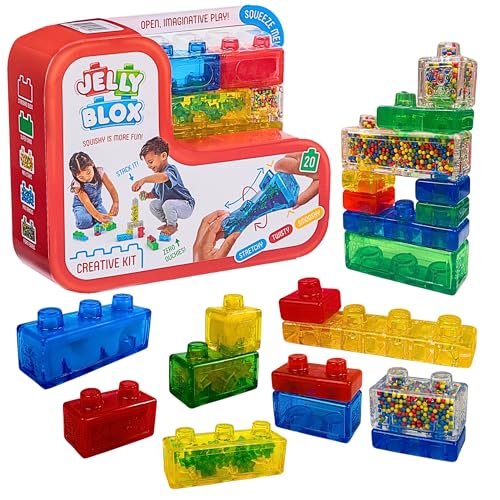


Goliath Jelly Blox Creative Kit | Includes 20 Blocks | Toddler & Preschool Building Blocks Kids Can Squeeze, Stretch, Squish | MESH ACCREDITED | Safety Tested & Ouch-Free | Sensory Play Toy Ages 2+
- CREATIVITY UNLEASHED: Jelly Blox are a unique building system featuring soft, safe, sensory construction that
- LEARN AND PLAY: Jelly Blox supports key developmental milestones and contains several special blocks filled wi
- COMPATIBILITY: Jelly Blox Creative Kit includes 20 colorful blocks for hours of construction fun, and it's com
The Goliath Jelly Blox are a standout here — soft, ouch-free blocks filled with sand, foam beads, and mini stars that deliver varied tactile input while supporting construction play. They carry the MESH accreditation and are safety-tested, which matters when your toddler's first instinct is to squeeze everything as hard as possible.
For portable sensory input — in the car, at a restaurant, or during a waiting-room meltdown — JOYIN Fidget Tubes offer visual and tactile stimulation in a compact, durable format designed specifically for children with sensory needs.
For Sensory Avoiders
- Reduce background noise during meals and transitions (turn off the TV) - Offer clothing choices — let your child pick fabrics that feel tolerable - Use a consistent "warning" ritual before transitions ("Two more minutes, then we put shoes on") - Introduce new textures through play before food — a child who plays with sand is more likely to tolerate grainy foods
5. Sensory Play as Developmental Therapy
Sensory play isn't just fun — it's functional. Research published in journals including the American Journal of Occupational Therapy consistently shows that sensory-based interventions support self-regulation, attention, and social engagement in young children with developmental differences.
The key principle is "just-right challenge": activities that are slightly more demanding than your child's current comfort zone, but not so overwhelming that they shut down or melt down.
Activity Ideas by Sensory Channel
Tactile: Playdough, kinetic sand, water play, textured puzzles Proprioceptive (body awareness): Wheelbarrow walking, carrying heavy books, climbing, jumping on a mini-trampoline Vestibular (movement/balance): Swinging, rocking, rolling on a gym ball Visual: Liquid motion timers, lava lamps, light-up toys Auditory: Rhythm instruments, white noise, sound-matching games
For structured fine-motor and sensory work, BUNMO Pop Tubes are one of the most versatile tools available — the pull-and-pop action builds grip strength and bilateral coordination while delivering satisfying auditory and tactile feedback. At under $7 for a 4-pack, they're also one of the best-value options on the market.
For a broader toolkit, the Scientoy 35-Piece Fidget Toy Set covers multiple sensory channels in one box — liquid motion timers for visual calming, foam putties for tactile input, and mesh marble toys for proprioceptive feedback.

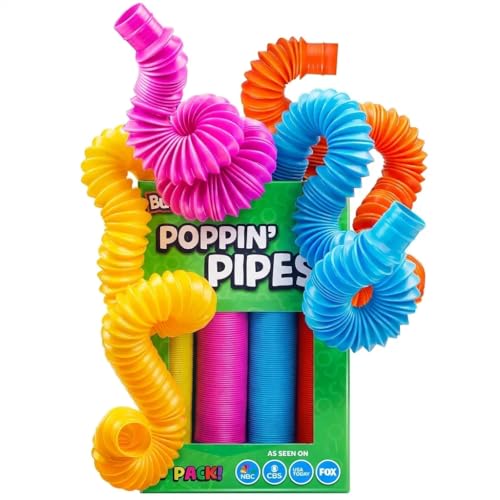

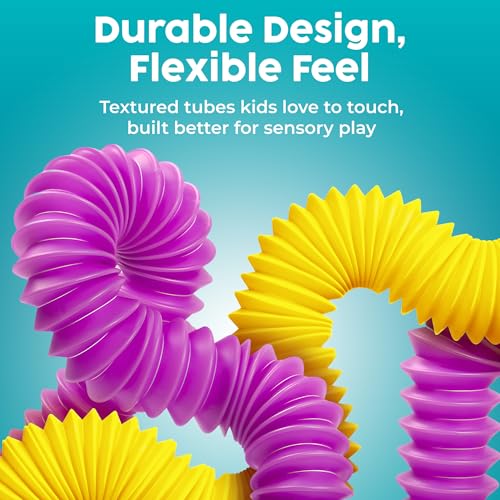
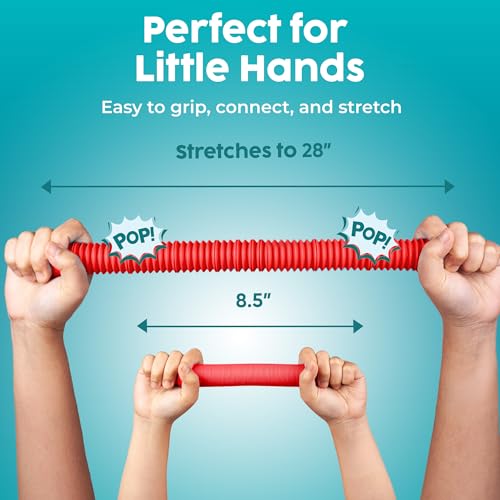
BUNMO Pop Tubes - Sensory Toys - Fidget Toys - Imaginative Play & Stimulating Creative Learning - Hours of Fun for Kids - Tons of Ways to Play - Non-Mouthable Toy 3+ - 4 Pack Large
- Creative STEM Play - Stretch, bend, connect, and shape letters, numbers, and spirals—spark open-ended builds a
- Fine-Motor Practice - Satisfying pull-and-pop action supports grip strength, bilateral coordination, and cause
- Large 4-Pack - A colorful set sized for little hands—great for solo fun, sibling play, and group activities.
6. Communicating with Your Child's Care Team (and Advocating Effectively)
Parents of neurodiverse toddlers often describe feeling dismissed, told to "wait and see," or overwhelmed by jargon. Here's how to advocate effectively.
At the Paediatrician's Office
- Use the phrase "I have a developmental concern" — this signals urgency more clearly than "I'm a bit worried" - Ask for the M-CHAT-R/F (autism screen) and ASQ-3 (general developmental screen) by name - Request a referral to a developmental paediatrician if you're not satisfied with the response — you are entitled to ask
With Early Intervention and Schools
- Everything must be in writing — verbal agreements don't count - You have the right to bring a support person to any IFSP or IEP meeting - You can request an Independent Educational Evaluation (IEE) at public expense if you disagree with the school's assessment
Language That Helps
Instead of: "He's just a bit quirky" Try: "He has significant sensory sensitivities and communication differences that are affecting his daily functioning"
Specific, functional language gets faster, more appropriate responses from systems.
7. Supporting the Whole Family
A neurodiverse toddler doesn't just affect one person — the whole family system adapts, sometimes in ways that are quietly exhausting.
For Siblings
Young siblings of neurodiverse toddlers often notice that rules seem different, that a sibling gets more attention during difficult moments, or that family outings are cut short. Age-appropriate honesty helps: "Your brother's brain works differently, and we're learning the best ways to help him."
For Parents and Caregivers
Caregiver burnout in families of children with developmental differences is real and well-documented. The CDC's "Learn the Signs. Act Early." programme notes that parents who receive early, accurate information and access to support report significantly lower stress levels than those who are left to navigate alone.
For moments when you need your toddler to self-regulate during a challenging outing, Dr.Kbder Sensory Autism Balls are small enough to slip into a nappy bag and robust enough to withstand a toddler's grip — a low-effort, high-impact tool for on-the-go regulation.

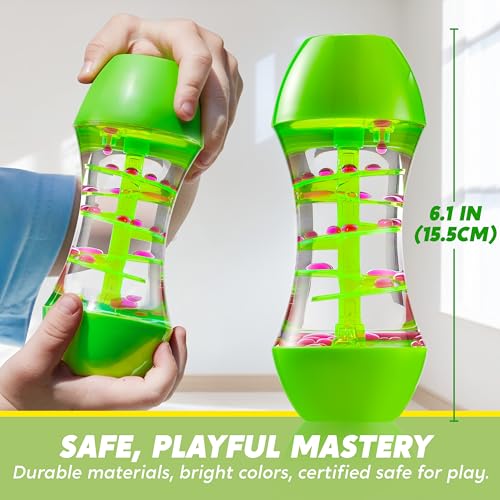
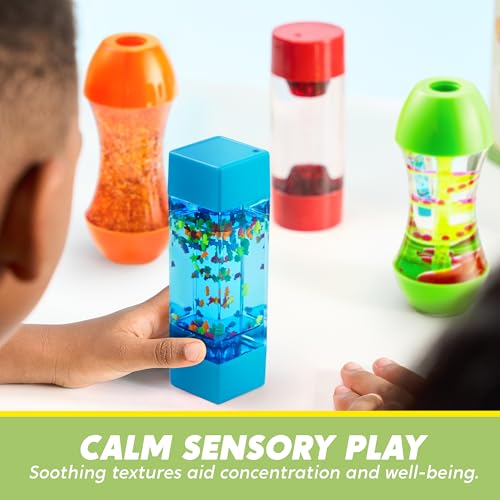
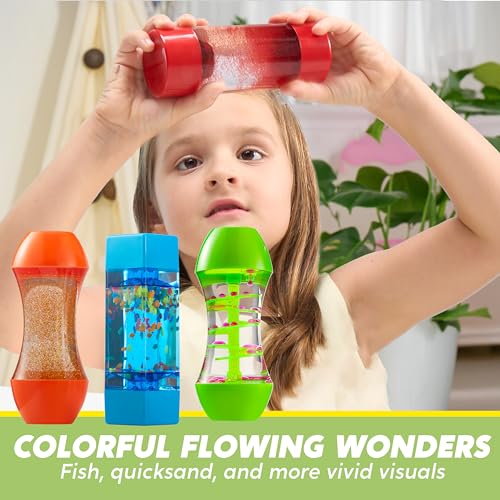
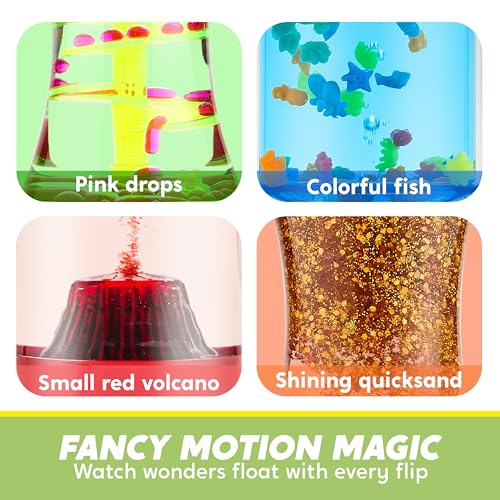
JOYIN 4-Pack Fidget Tubes for Kids, Sensory Tubes, Stress Relief Toy, Speech Therapy, Calming Toys for Children with Autism, Calm Down Corner Classroom Supplies, Back to School Gifts for Toddlers
- Engaging Social-Emotional Learning Activities: Discover our vibrant set of fidget tubes designed to foster soc
- Ideal for Peaceful Quiet Time: Provide your child with a serene downtime experience with our collection of fid
- Beneficial Fidget Therapy Toys: Designed to offer tactile feedback and fine motor coordination, our fidget tub
The Dr.Kbder 6-Pack Sensory Fidget Set is worth keeping in the car or a travel bag — it includes a variety of textures and motion types so you can quickly offer your toddler whatever input they need in the moment, whether that's a squishy water toy or a spinning fidget.
Sensory Tool Comparison: Which Option Suits Your Toddler?
| Sensory Tool Type | Best For | Primary Benefit | Age Suitability | Portability | Recommended Product | Price Range |
|---|---|---|---|---|---|---|
| Squeeze/squish blocks | Sensory seekers, tactile exploration | Proprioceptive input + creative play | 2+ years | Low (home/classroom) | Goliath Jelly Blox | $16–18 |
| Fidget tubes (visual) | Sensory seekers, anxious or overstimulated toddlers | Visual calming + tactile feedback | 2+ years | High (bag/pocket) | JOYIN Fidget Tubes | $23–25 |
| Multi-piece fidget set | Varied sensory needs, classroom or therapy use | Multiple sensory channels in one kit | 3+ years | Medium (box/bag) | Scientoy 35-Piece Fidget Set | $21–23 |
| Interlocking sensory ball | On-the-go regulation, fine motor | Tactile + visual + proprioceptive | 3–8 years | Very high (pocket-sized) | Dr.Kbder Sensory Autism Ball | $5–7 |
| Pop tubes | Fine motor, bilateral coordination, auditory input | Grip strength + cause-and-effect | 3+ years | High (bag) | BUNMO Pop Tubes | $6–8 |
| Mixed sensory fidget pack | Travel, varied preferences, treasure box rewards | Versatility across settings | 3–7 years | Very high (travel bag) | Dr.Kbder 6-Pack Sensory Set | $11–13 |
Expert Insights
You're Already Doing the Most Important Thing
Noticing, asking questions, and seeking information — that's what good advocacy looks like at its earliest stage. The parents who achieve the best outcomes for their neurodiverse toddlers are rarely the ones who had the most resources at the start. They're the ones who trusted their instincts, asked the uncomfortable questions, and refused to wait and see when their gut said otherwise.
Your child doesn't need a perfect parent. They need a present, informed, and persistent one — and that's exactly what you're becoming.
The most powerful thing you can do for a neurodiverse toddler is believe them before you have a diagnosis to explain them.
Save this guide, share it with your co-parent or a friend who's navigating the same questions, and come back to it as your child grows. You've got this.
Sources & References
- Centers for Disease Control and Prevention (CDC). "Autism Spectrum Disorder: Data and Statistics." ADDM Network, 2023. https://www.cdc.gov/autism/data-research/index.html
- Centers for Disease Control and Prevention (CDC). "Developmental Disabilities." National Center on Birth Defects and Developmental Disabilities, 2023. https://www.cdc.gov/ncbddd/developmentaldisabilities/index.html
- American Academy of Pediatrics (AAP). "Developmental Surveillance and Screening Policy." Pediatrics, 2020. https://publications.aap.org/pediatrics/article/145/1/e20193449/36917
- Robins, D.L., Casagrande, K., Barton, M., et al. "Validation of the Modified Checklist for Autism in Toddlers, Revised with Follow-Up (M-CHAT-R/F)." Pediatrics, 2014. https://doi.org/10.1542/peds.2013-1813
- US Department of Education. "Individuals with Disabilities Education Act (IDEA), Part C." https://sites.ed.gov/idea/regs/c
- Ayres, A.J. Sensory Integration and the Child. Western Psychological Services, 1979 (revised 2005).
- Miller, L.J., Anzalone, M.E., Lane, S.J., et al. "Concept Evolution in Sensory Integration: A Proposed Nosology for Diagnosis." American Journal of Occupational Therapy, 2007. https://doi.org/10.5014/ajot.61.2.135
- Rogers, S.J. & Dawson, G. Early Start Denver Model for Young Children with Autism. Guilford Press, 2010.
- CDC. "Learn the Signs. Act Early." Programme resources for parents and providers. https://www.cdc.gov/ncbddd/actearly/index.html
- Autism Society of America. "About Autism." https://autismsociety.org/about-autism/
Frequently Asked Questions
My toddler isn't talking much — should I be worried at 18 months?
Can autism be diagnosed in a toddler under age 3?
What's the difference between a speech delay and a language disorder?
Are sensory toys actually therapeutic, or just marketing?
How do I get Early Intervention services if I'm not sure my child qualifies?
My child was flagged on the M-CHAT screen. What happens next?
Can I use sensory tools at home without an occupational therapist?
Was this helpful?
Thanks — your feedback helps us pick what to write next.