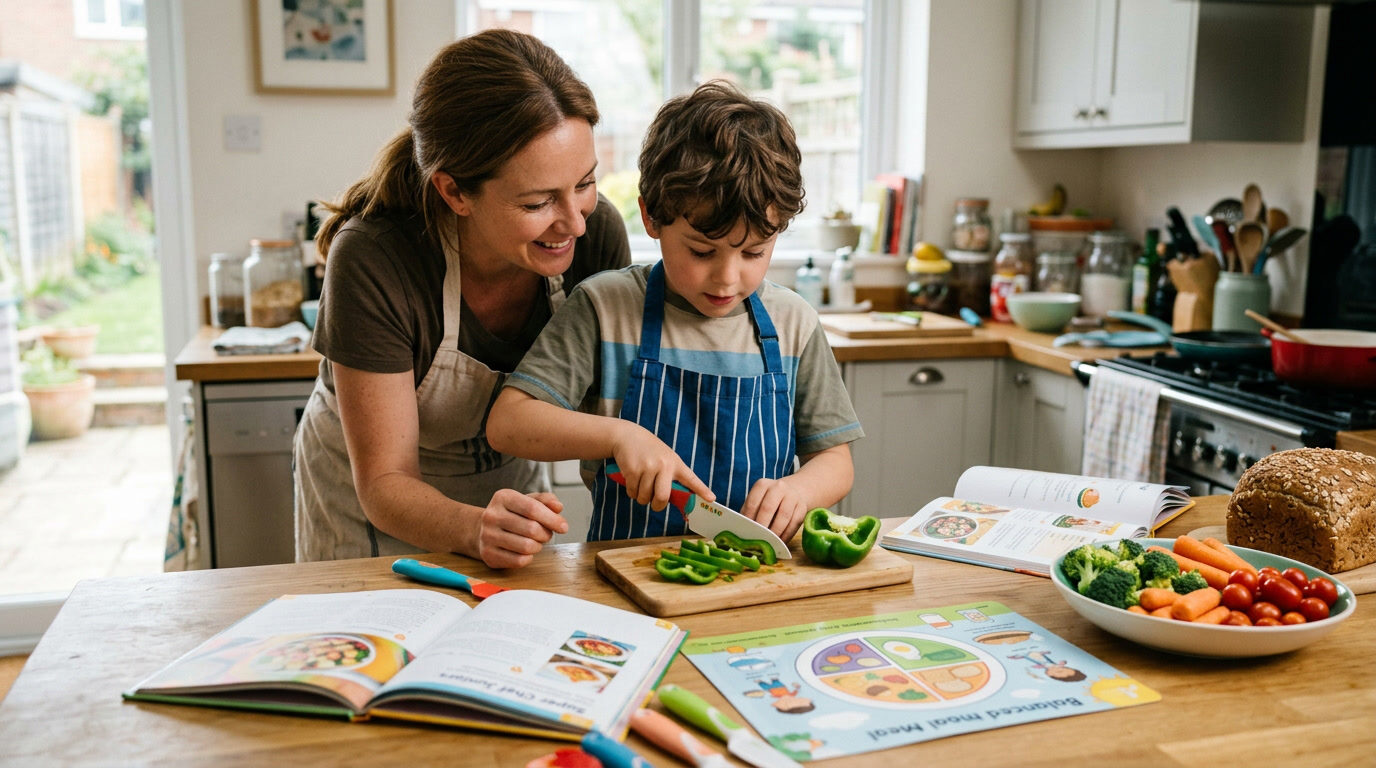
Preschool Feeding and Nutrition: What Your 3 to 5 Year Old Needs
Preschoolers need a wide variety of whole foods across five food groups, consistent meal and snack timing, and a low-pressure eating environment to build the healthy habits that stick for life.

In this article
Picture a weekday lunch: you have set out a carefully assembled plate of chicken, cucumber slices, and whole grain crackers. Your four year old takes one look and announces she only eats the crackers now. Sound familiar? You are not alone. According to the Centers for Disease Control and Prevention (CDC), food refusal and picky eating affect an estimated 50 percent of preschool-aged children at some point, yet most meet their nutritional needs across the week, not necessarily in every single meal.
This guide will help you understand:
1. How Much Does a Preschooler Actually Need to Eat?
Your preschooler's energy needs are smaller than you probably think, and that mismatch between parental expectations and actual appetite is the single biggest driver of mealtime stress.
The American Academy of Pediatrics (AAP) and the USDA Dietary Guidelines for Americans (2020-2025) estimate that children ages 3 to 5 need approximately 1,200 to 1,600 kilocalories per day, depending on sex, body size, and physical activity. As a rough rule of thumb, one tablespoon of each food per year of age is a reasonable single-serving guide. A four year old's "full serving" is closer to four tablespoons than to the adult-sized portions many parents dish up.
Why Appetite Varies So Much Day to Day
Growth in preschoolers happens in bursts rather than in a smooth upward curve. During a slow growth phase, your child's appetite will genuinely drop. During a growth spurt, she may seem ravenous. Both are normal. Chasing a target calorie count at every meal creates anxiety for everyone at the table.
2. The Five Food Groups: Building a Preschool Plate
A balanced preschool diet is built from five groups. The goal is variety across the week, not perfection at every meal.
| Food Group | Daily Target (ages 3-5) | Key Nutrients Provided | Practical Examples | Recommended Product |
|---|---|---|---|---|
| Grains (at least half whole grain) | 3-5 oz equivalents | Fibre, B vitamins, iron | Oats, wholemeal bread, rice, pasta | Feeding Toddlers Complete Guide |
| Vegetables | 1-1.5 cups | Vitamins A and C, potassium, fibre | Peas, sweet potato, broccoli, carrots | Food Groups Nutrition Book |
| Fruits | 1-1.5 cups | Vitamin C, natural sugars, fibre | Banana, berries, apple, mango | I Eat Everything! |
| Protein foods | 2-4 oz equivalents | Iron, zinc, protein, omega-3s | Eggs, chicken, beans, fish, nut butters | Baby and Toddler Cookbook |
| Dairy or fortified alternatives | 2-2.5 cups milk equivalent | Calcium, vitamin D, protein | Milk, yoghurt, cheese, fortified soy milk | Mealtime Board Book |
For a deeper dive into how dairy fits into the picture across different ages, see our article on choosing the right milk by age, which covers portion sizes, fat content, and fortified alternatives all in one place.
3. The Four Nutrients Most Often Missing in Preschool Diets
Most preschoolers in well-resourced settings do not go hungry, but several key nutrients slip below recommended levels more often than parents realise.
Iron
Iron deficiency remains the most common nutritional deficiency in young children globally, according to the World Health Organization (WHO). Preschoolers need 10 milligrams of iron per day. Good sources include red meat, dark poultry, lentils, tofu, and iron-fortified cereals. Pairing iron-rich plant foods with vitamin C (think lentil soup with a squeeze of lemon) significantly improves absorption.
Calcium and Vitamin D
The AAP recommends 700 to 1,000 milligrams of calcium and 600 IU of vitamin D per day for ages 3 to 5. Dairy products are the easiest route to calcium, but fortified plant milks, broccoli, and white beans all contribute. Vitamin D is harder to obtain from food alone; if your child has limited sun exposure or follows a restricted diet, discuss supplementation with your paediatrician.
Fibre
UK National Health Service (NHS) guidelines suggest children aged 3 to 5 need around 15 grams of fibre per day. Whole fruits (rather than juice), vegetables, legumes, and whole grains are the most child-friendly sources. Fibre matters beyond digestion: a healthy gut microbiome laid down in early childhood influences immunity and behaviour. The toddler gut microbiome works differently from an adult gut, and the foods you offer now shape its composition for years ahead.
4. Handling Picky Eating Without the Power Struggle
Picky eating in preschoolers is rooted in biology, not defiance. Between ages 2 and 6, children go through a developmental phase called neophobia (fear of new foods) that evolved to protect toddlers who were beginning to forage independently. Understanding this makes the refusals feel less personal.
The framework with the strongest evidence base is Ellyn Satter's Division of Responsibility (sDOR), endorsed by major dietetic associations across the United States, the UK, and Australia. It states:
The parent is responsible for what, when, and where. The child is responsible for whether and how much.
— Ellyn Satter, MS RD LCSW, Ellyn Satter Institute, widely cited since (1986)
In practice, this means:
- You decide the menu, timing, and location of meals - Your child decides whether to eat and how much to take - You offer a variety of foods including at least one familiar option - You do not short-order cook a separate "kids" meal
Research consistently shows that children offered a food 10 to 15 times without pressure are significantly more likely to eventually accept it than children who are cajoled or bribed.
5. Smart Snacking: Structure Over Grazing
Preschoolers have small stomachs and genuinely need snacks; the goal is to use structured snacks to support appetite rather than graze all day and arrive at meals already full.
A practical snack schedule for a preschooler looks something like this:
1. Breakfast (7:00-8:00 am) 2. Morning snack (10:00-10:30 am) 3. Lunch (12:00-1:00 pm) 4. Afternoon snack (3:00-3:30 pm) 5. Dinner (5:30-6:30 pm)
Two to two-and-a-half hours between eating occasions gives the gut time to empty and builds real appetite for the next meal. Constant access to crackers, fruit pouches, or milk between these windows blunts hunger and makes the "she won't eat dinner" problem almost inevitable.
What Makes a Good Preschool Snack
A good snack pairs a carbohydrate with a protein or healthy fat to extend satiety:

Feeding Toddlers: The Complete Guide to Maintaining Nutrition and Variety with Easy Family Meals
- Cookbooks, Food & Wine
- Special Diet
- Cooking for Kids
6. Sodium, Sugar, and Foods to Limit
The foods most associated with long-term health risk in childhood are not the ones parents typically worry most about, such as fat, but rather excess sodium and added sugar.
The AAP and the Dietary Guidelines for Americans recommend that children under 5 have less than 1,200 milligrams of sodium per day. Processed snacks, canned soups, deli meats, and shop-bought breads are the biggest contributors, not the salt shaker. Understanding toddler sodium limits in everyday foods helps you make swaps without overhauling your whole kitchen.
Added sugars should make up no more than 10 percent of total daily calories after age 2, according to WHO guidelines. In practice, that means no more than about 25 grams (6 teaspoons) of added sugar per day for most preschoolers. Fruit juice, flavoured yoghurts, sweetened cereals, and children's snack bars are the stealthiest sources.
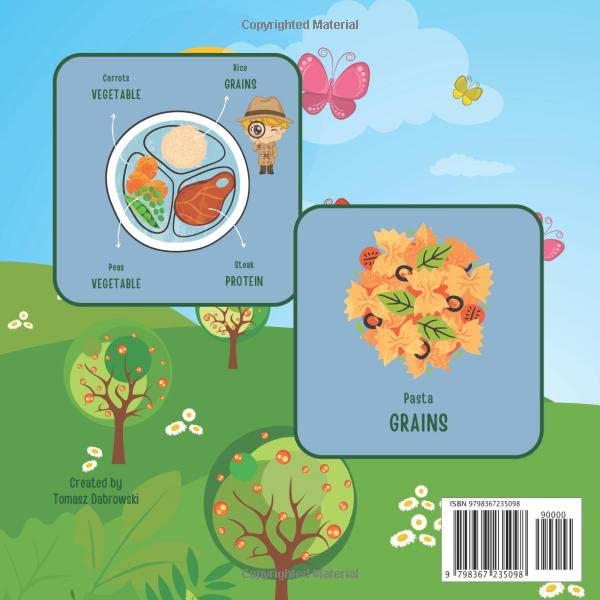
The Food Groups: Nutrition Book For Little Learners. Early Learning Picture Book for Toddlers, Kids, and Preschoolers.
- Children's Books
- Growing Up & Facts of Life
- Diet & Nutrition
7. When to Seek Help: Red Flags Beyond Normal Picky Eating
Most picky eating in preschoolers resolves with time and consistent, low-pressure exposure. Some patterns, however, warrant a conversation with your paediatrician or a registered paediatric dietitian.
Seek professional input if your child:
These patterns may indicate Avoidant or Restrictive Food Intake Disorder (ARFID) or an underlying sensory processing difference, both of which respond well to early, targeted intervention.
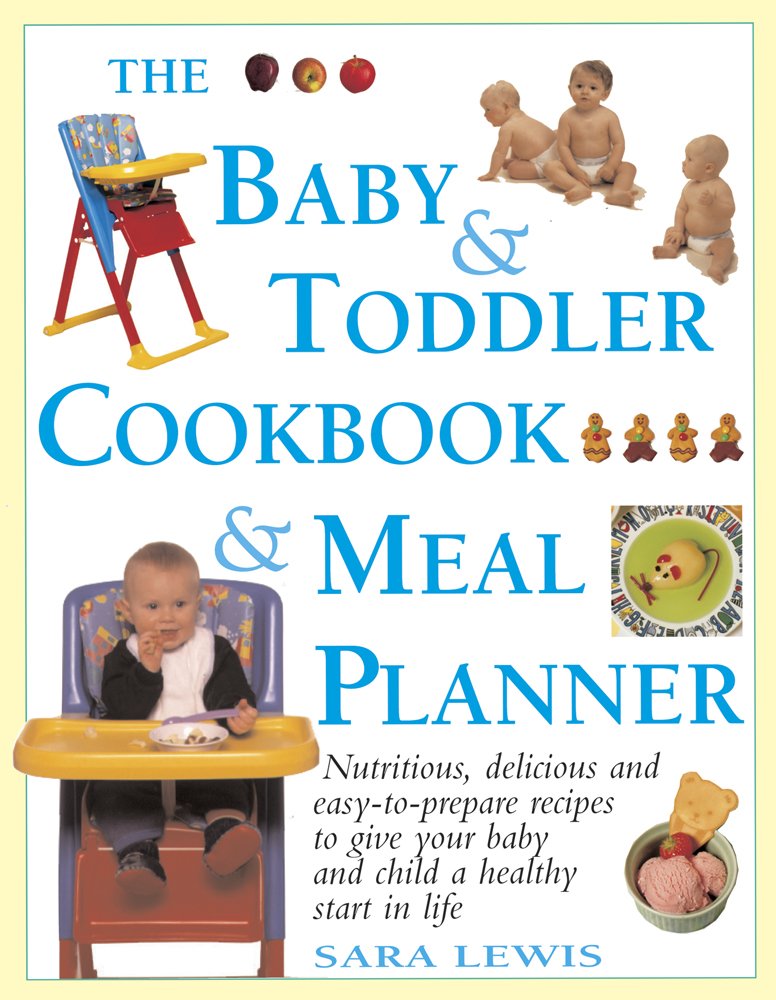
The Baby & Toddler Cookbook & Meal Planner: Nutritious, Delicious And Easy-To-Prepare Recipes To Give Your Baby And Child A Healthy Start In Life
- Cookbooks, Food & Wine
- Special Diet
- Image Unavailable Image not available forColor:
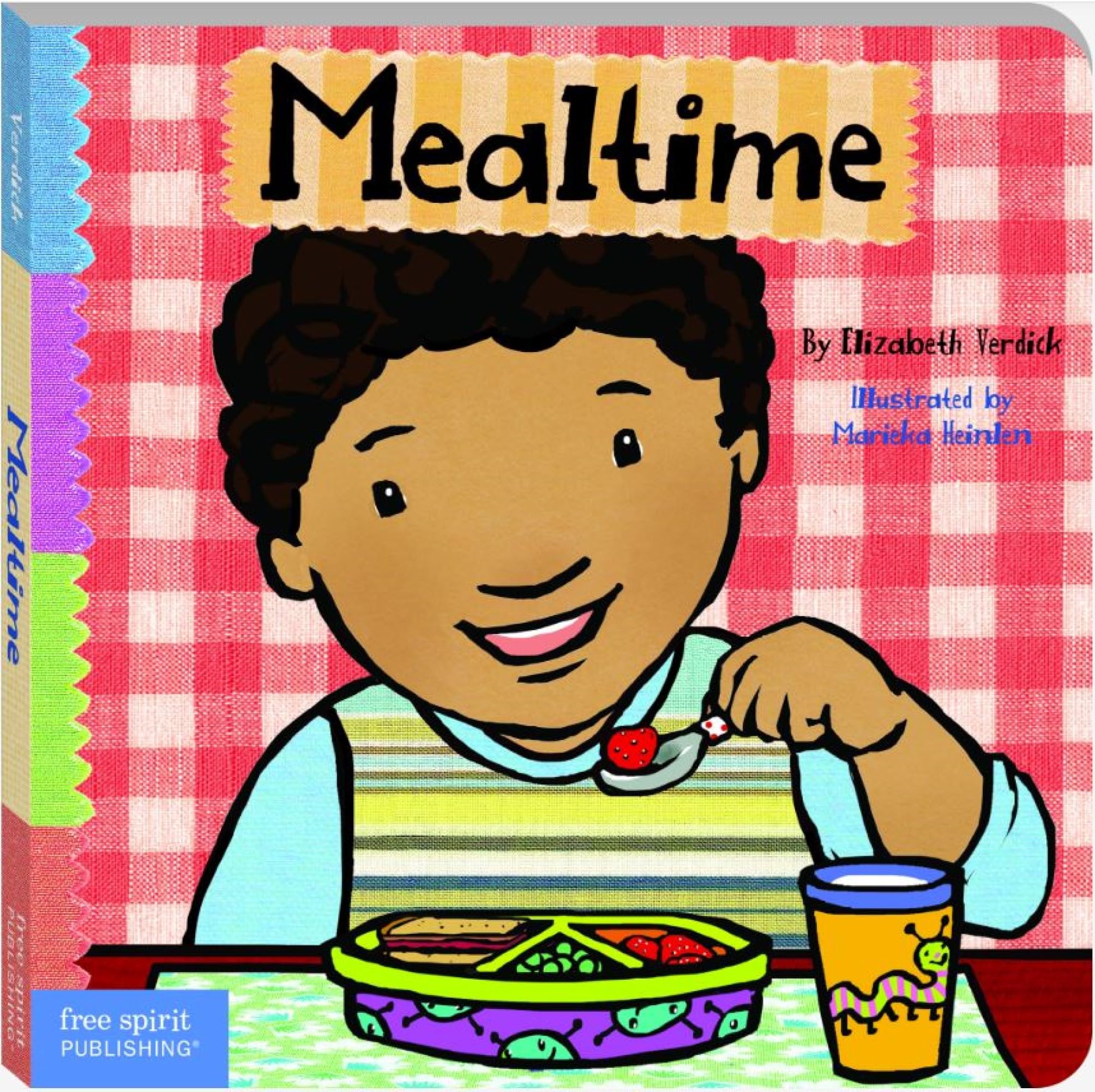


Mealtime (Toddler Tools® Board Books)
- Children's Books
- Growing Up & Facts of Life
- Diet & Nutrition
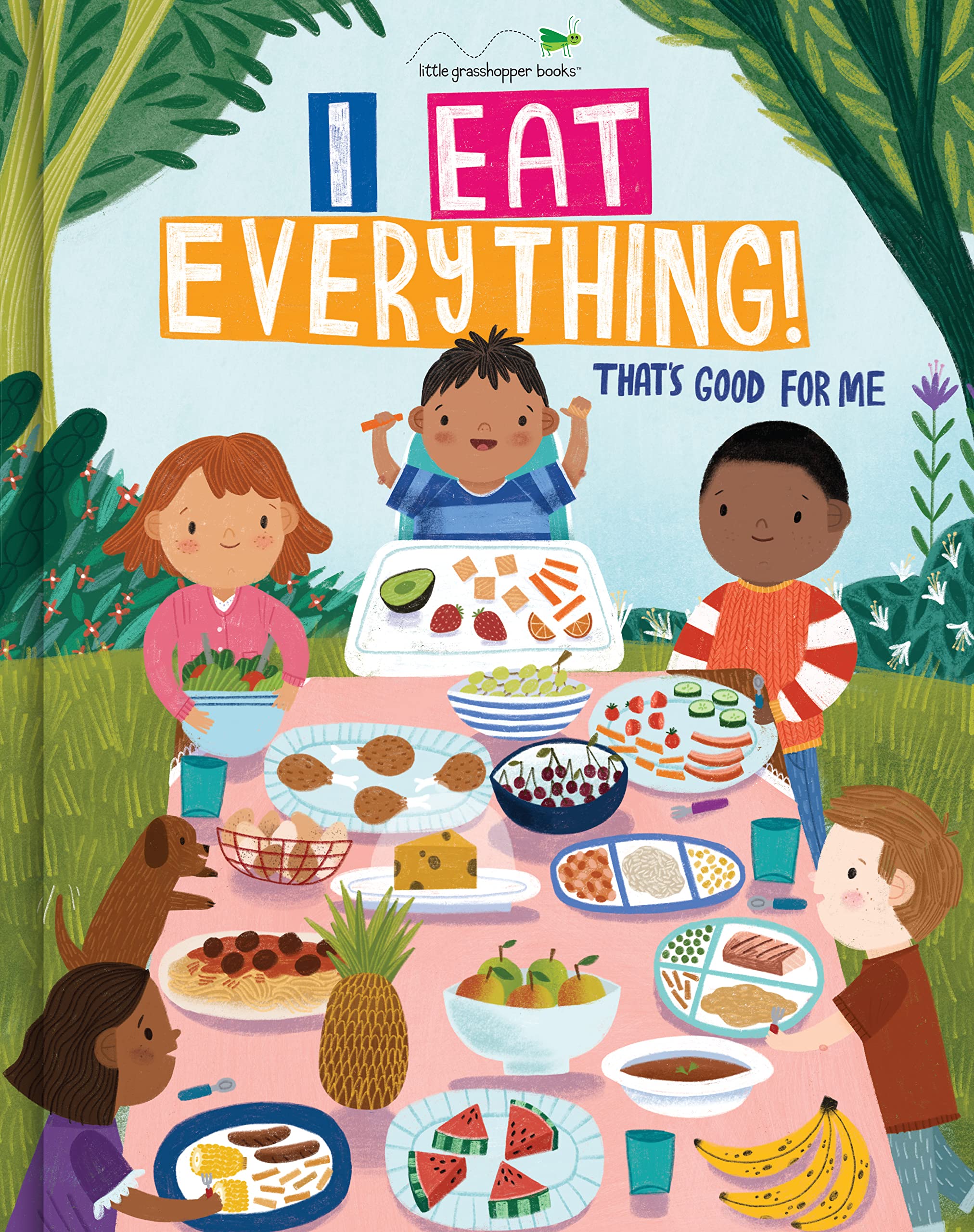
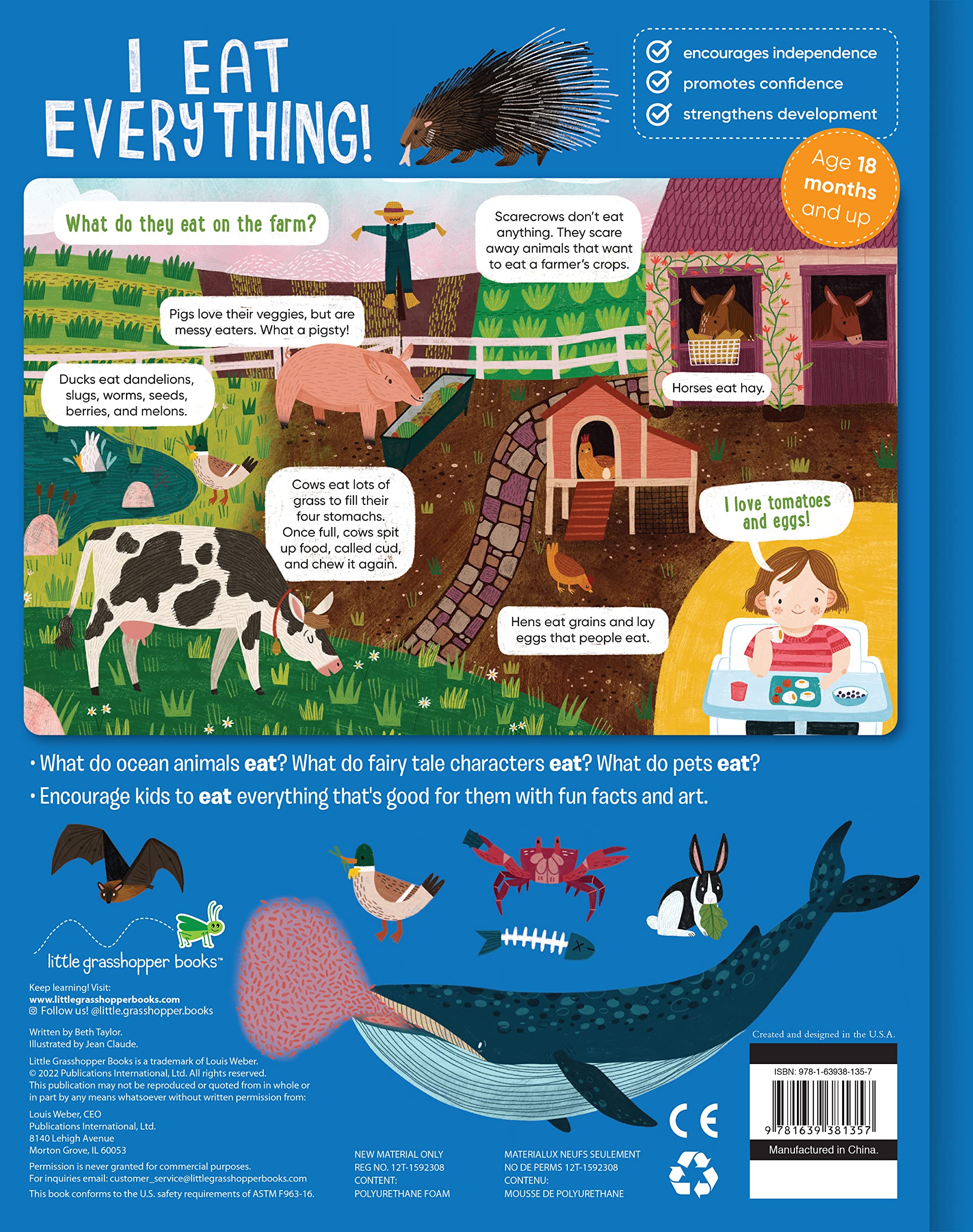
I Eat Everything!:That's Good for Me (For Kids 18 Months - 6 Years Old) (Early Learning)
- Children's Books
- Growing Up & Facts of Life
- Diet & Nutrition
Feeding a preschooler well is less about hitting a precise nutritional target every single day and more about building a decade of small, repeated, calm experiences around food. The child who sees vegetables on the table every night, who watches a parent taste something new without drama, and who is never forced to clean her plate is quietly learning that food is interesting, safe, and enjoyable. That lesson, more than any single superfood or supplement, is the foundation of lifelong healthy eating.
As someone who has sat across the consulting table from hundreds of worried parents, the most reassuring thing I can tell you is this: if your preschooler is growing, energetic, and eating at least a few foods from most food groups most days, you are doing a better job than you think. Save this article, share it with your co-parent or caregiver, and come back to it on the days when lunch ends up in the bin.
Sources & References
- American Academy of Pediatrics. "Feeding and Nutrition: Your 3 to 5 Year Old." HealthyChildren.org. 2023. https://www.healthychildren.org
- U.S. Department of Agriculture and U.S. Department of Health and Human Services. "Dietary Guidelines for Americans, 2020-2025." 9th edition. December 2020. https://www.dietaryguidelines.gov
- World Health Organization. "Nutritional anaemias: tools for effective prevention and control." 2017. https://www.who.int
- Centers for Disease Control and Prevention. "Child Nutrition." CDC.gov. 2023. https://www.cdc.gov/nutrition
- NHS England. "Vitamins for children." NHS.uk. 2023. https://www.nhs.uk/conditions/baby/weaning-and-feeding/vitamins-for-children/
- Satter, Ellyn. "Ellyn Satter's Division of Responsibility in Feeding." Ellyn Satter Institute. 2023. https://www.ellynsatterinstitute.org
- Fildes, Alison et al. "Nature and nurture in children's food preferences." American Journal of Clinical Nutrition. 2014.
- Rowell, Katja and Jenny McGlothlin. "Helping Your Child with Extreme Picky Eating." New Harbinger Publications. 2015.
- USDA MyPlate. "Preschoolers (Ages 3-5)." MyPlate.gov. 2023. https://www.myplate.gov/life-stages/preschoolers
Frequently Asked Questions
How many meals and snacks should a preschooler have per day?
My four year old refuses all vegetables. Will she be deficient?
Should my preschooler drink full-fat or semi-skimmed milk?
Are multivitamins necessary for preschoolers?
How do I handle a preschooler who only wants to eat at fast food restaurants?
Is it normal for my preschooler's appetite to change a lot week to week?
Can I use food as a reward or treat?
Was this helpful?
Thanks — your feedback helps us pick what to write next.