Why the Toddler Gut Microbiome Is Different — and Why It Matters
For toddlers aged 1–3, pediatricians recommend probiotics containing clinically studied strains (especially Lactobacillus rhamnosus GG), paired with vitamin D and C supplementation — but only when diet alone isn't meeting needs.
In this article
Your toddler's gut is doing some of its most important developmental work right now. According to the American Academy of Pediatrics (AAP), the first three years of life represent a critical window for establishing the gut microbiome — the ecosystem of bacteria that shapes immune function, digestion, and even behaviour for years to come. Yet parents face a supplement aisle that's equal parts science and marketing noise.
This guide cuts through the confusion. You'll find out:
1. Why the Toddler Gut Microbiome Is Different — and Why It Matters
The gut microbiome isn't fully established until around age 3, which makes the toddler years uniquely influential. During this window, the balance of bacteria in your child's digestive tract is actively being shaped by diet, illness, antibiotic exposure, and yes — supplementation.
Approximately 70% of the body's immune cells live in the gastrointestinal tract. When the microbial balance tips — after a stomach bug, a round of antibiotics, or a stretch of picky eating — toddlers often show it quickly: loose stools, constipation, increased colds, or disrupted sleep.
What disrupts a toddler's microbiome?
- Antibiotic courses (even a single course can reduce microbial diversity for months) - Sudden dietary changes — hello, the "beige food phase" - Daycare exposure to repeated GI infections - Formula-to-whole-milk transitions2. Choosing the Right Probiotic Strain: What the Research Actually Says
Not all probiotics are the same — strain identity matters enormously. A probiotic labelled "Lactobacillus" without a specific strain name tells you almost nothing useful.
The strains with the strongest paediatric evidence
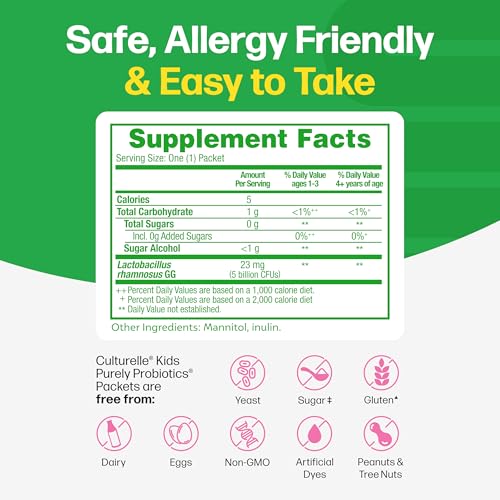
Lactobacillus rhamnosus GG (LGG): The most studied probiotic strain in children. Published trials support its use for acute infectious diarrhoea, antibiotic-associated diarrhoea, and general gut resilience. It's the backbone of the Culturelle Kids Daily Probiotic Packets and Culturelle Kids Chewable Probiotic — both from the #1 pediatrician-recommended probiotic brand, with 5 billion CFU per serving.
Lactobacillus acidophilus + Bifidobacterium strains: Commonly combined for broader coverage. You'll find this multi-strain approach in Intelligent Labs Kids Probiotics, which uses strains sourced from DuPont Danisco and Lallemand — two of the most reputable probiotic ingredient suppliers in the world.
Multi-strain synbiotics: Seed's PDS-08 Pediatric Daily Synbiotic combines 9 probiotic strains with 5 grams of prebiotic fibre per sachet and has been tested in a double-blind, randomised controlled trial — a higher evidence bar than most children's supplements clear.
Strain specificity is everything in probiotic science. The evidence for one strain cannot be extrapolated to another, even within the same species.
— World Gastroenterology Organisation Global Guidelines on Probiotics and Prebiotics (2023)

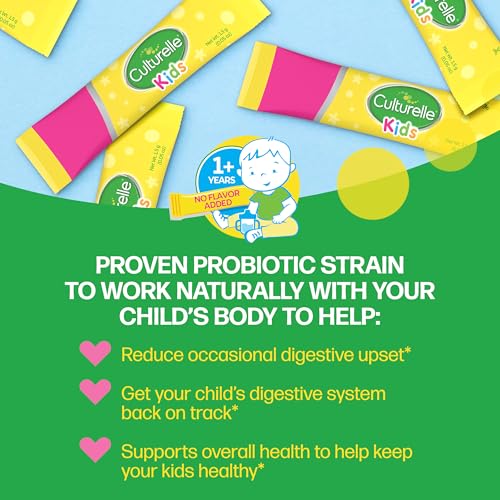

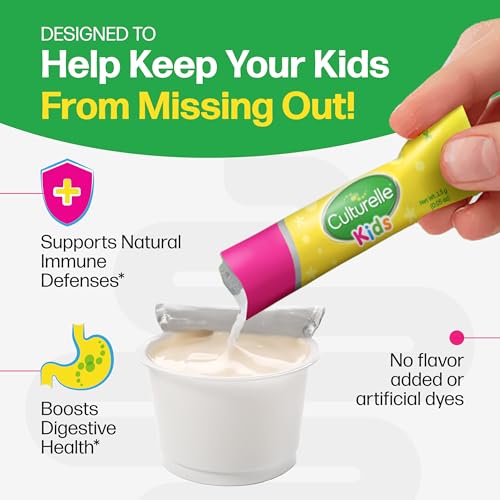
Culturelle Kids Daily Probiotic Packets for Kids, (Ages 3+) - 50 Count – From the #1 Pediatrician-Recommended Brand – Flavorless Daily Probiotics for Digestive Health & Immune Support
- PROBIOTICS FOR KIDS: From the Pediatrician-Recommended Probiotic Brand, Culturelle Kids helps promote your chi
- PROVEN EFFECTIVE STRAIN: Lactobacillus rhamnosus GG (LGG) - the key ingredient in Culturelle Kids Daily Probio
- PROBIOTIC POWER: Culturelle Kids is a flavorless probiotic formulated with 5 billion CFUs (colony-forming unit
3. Prebiotics: The Ingredient Most Parents Skip — But Shouldn't
Probiotics get all the attention, but prebiotics — non-digestible fibres that feed beneficial bacteria — are arguably just as important. Without a food source, many probiotic bacteria don't survive long enough to colonise the gut.
Common prebiotic types in toddler supplements
- FOS (fructooligosaccharides): Found in Intelligent Labs Kids Probiotics, shown to increase Bifidobacterium populations - PHGG (partially hydrolysed guar gum): A gentle, well-tolerated soluble fibre — also in Intelligent Labs' formula - Inulin: Present in NATURE TARGET Kids Probiotic-Multivitamin Gummies at 150 mg per serving - Long-chain prebiotic fibre: Seed's PDS-08 delivers 5 grams per sachet — equivalent to eating 1.7 bananas, per the company's clinical data
One important note on fibre and toddlers: the Adequate Intake for fibre for 1–3 year olds is 19 grams per day (Institute of Medicine). Most toddlers fall well short of this. A prebiotic-containing supplement can help bridge that gap while also boosting probiotic effectiveness.
4. Vitamins Toddlers Actually Need (and Which Ones Are Overhyped)
Here's the honest paediatric answer: most healthy toddlers eating a reasonably varied diet do not need a daily multivitamin. The AAP does not recommend routine multivitamin supplementation for healthy children with typical diets. But there are real, evidence-based exceptions.
Vitamin D — the near-universal gap
Vitamin D deficiency is common in toddlers across all dietary patterns, particularly in northern climates or children with limited sun exposure. The AAP recommends 600 IU per day for children over 12 months. Whole cow's milk provides some, but rarely enough. Many paediatric supplements now include vitamin D as a matter of course.
Vitamin C — usually fine from food, but...
A toddler eating any fruit or vegetables is likely getting enough vitamin C. It becomes relevant for children with very restricted diets or food allergies eliminating citrus and berries.
Iron — the toddler nutrient most at risk
Toddlers transitioning away from iron-fortified formula or breast milk are at real risk of iron deficiency — the most common nutritional deficiency in this age group globally (WHO, 2023). This is less about supplements and more about food: red meat, legumes, fortified cereals. Talk to your paediatrician before supplementing iron, as excess iron is harmful.
The NATURE TARGET Kids Probiotic-Multivitamin Gummies combine 5 billion CFU probiotics with 9 vitamins and 3 minerals in one daily gummy — a practical option for families wanting to simplify the supplement routine. The Beam Kids All in One Superfood Powder goes further, delivering 40+ nutrients including organic greens, probiotics, and vitamins in a single scoop.
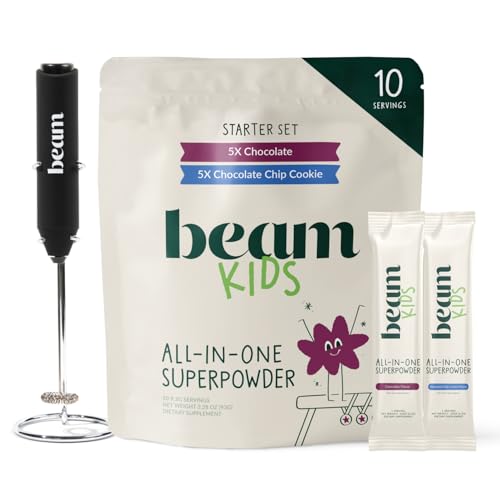
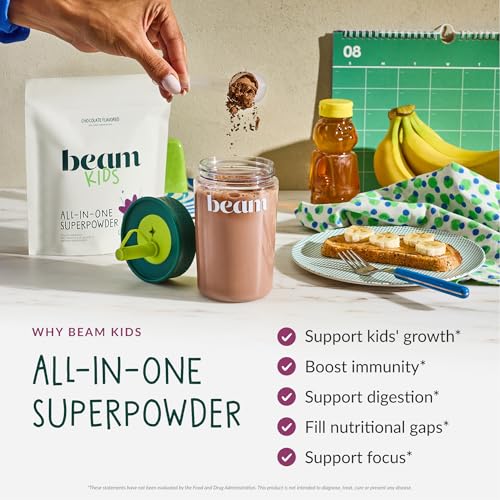
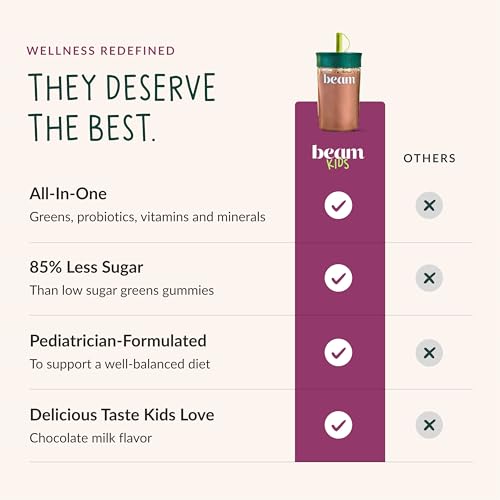
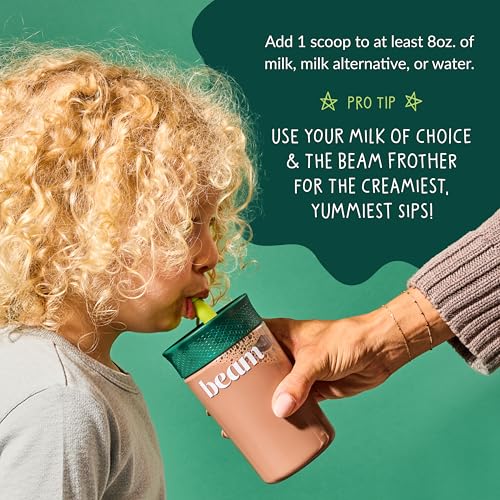

Beam Kids All in One Superfood Powder, Nutritional Shake, Organic Greens, Probiotics, Vitamins, Immune Support, Gut Health, Superfood, Nutrition for Children, No Artificial Sweeteners, Starter Set
- PEDIATRICIAN-FORMULATED FOR COMPLETE NUTRITION: Developed with experts to provide 40+ essential nutrients supp
5. Decoding the Label: Red Flags and Green Flags
Supplement labels are designed to sell, not to inform. Here's a quick clinical cheat sheet for navigating them.
Green flags ✓
Red flags ✗
✗ "Proprietary probiotic blend" with no strain names ✗ Added sugars (cane sugar, glucose syrup) as first or second ingredient — especially in gummies ✗ Artificial colours (Red 40, Yellow 5) — no nutritional value, some evidence of behavioural sensitivity in children ✗ CFU count "at time of manufacture" only ✗ Claims that seem too broad: "boosts IQ," "eliminates all illness"
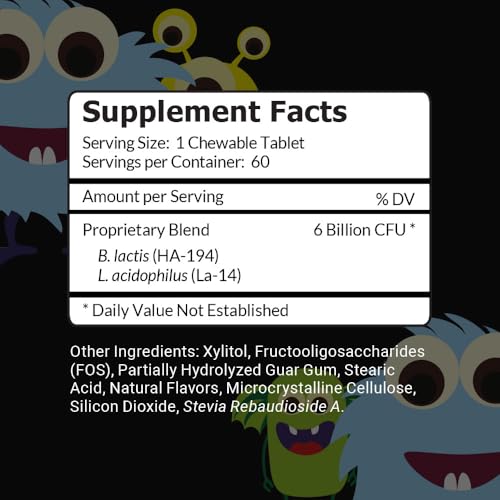
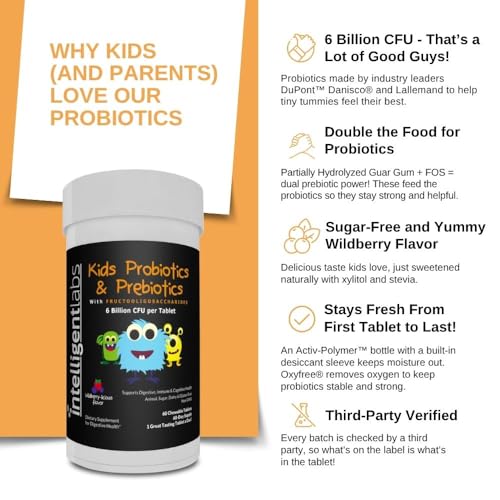
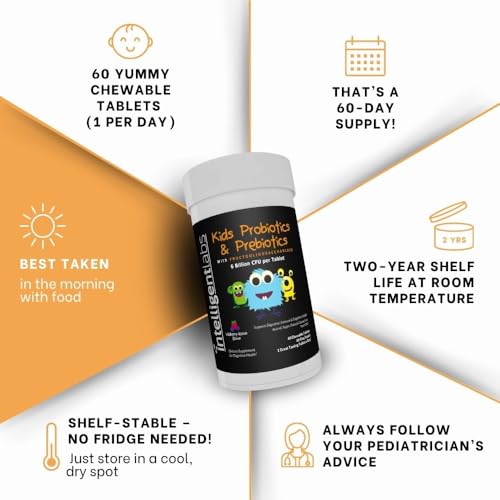
Intelligent Labs Kids/Children Probiotics 6 Billion CFU with Prebiotics, PHGG & FOS, Once-Daily Chewable, Great Taste, 10x Effectiveness, 60-Day Supply, Third-Party Verified
- ★ Boost your kid's health ★ Not all probiotics are created equal. Your child needs the right probiotics to hel
- ★ Strains that can survive acid and bile ★ Our probiotic strains are selected for their ability to survive the
- ★ Synbiotic effect of prebiotics ★ Each tablet also contains prebiotics which increases the effectiveness of p
6. Age-Appropriate Dosing, Safety, and When to Call Your Paediatrician
For toddlers aged 1–3, the general clinical guidance on probiotic dosing is:
- 2–6 billion CFU per day is the typical studied range for this age group - Once-daily dosing is sufficient and improves adherence - Chewable tablets or powders are safer than capsules for toddlers who can't swallow pills yet — avoid whole capsules until at least age 4–5
Probiotics have a good safety record in healthy children. Serious adverse effects are rare and have been reported almost exclusively in immunocompromised patients.
— Cochrane Review: Probiotics for the Prevention of Paediatric Antibiotic-Associated Diarrhoea (2019)
When to pause and check with your doctor
- Your toddler is immunocompromised (on chemotherapy, has a primary immune deficiency) - Your child has a central venous catheter - You're seeing worsening symptoms — increased bloating, diarrhoea, or discomfort after starting a probiotic - You're considering iron supplementation (always check first)

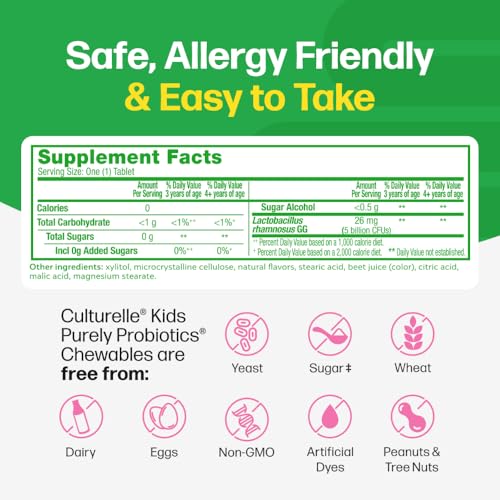
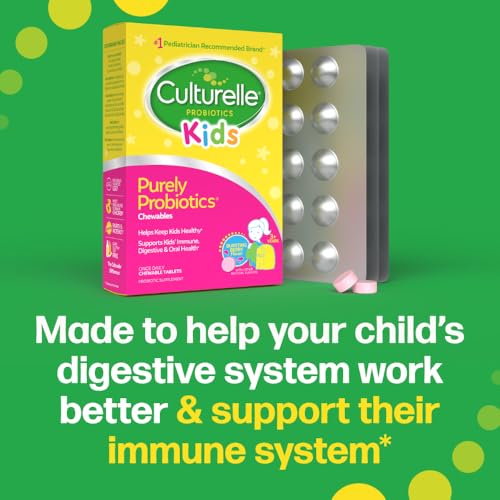
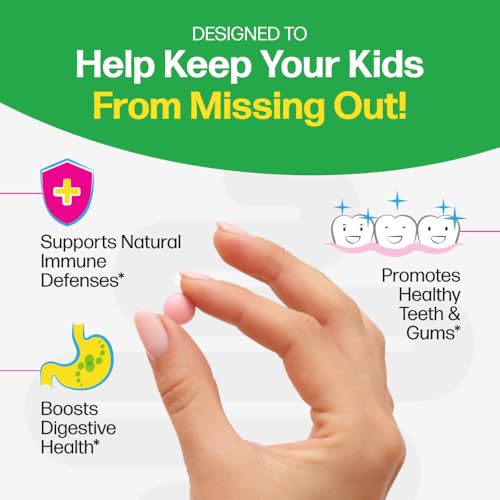

Culturelle Kids Chewable Daily Probiotic for Kids, Ages 3+, 30 Count, #1 Pediatrician-Recommended Brand, Natural Berry Flavored Daily Probiotics for Digestive Health, Oral Care & Immune Support
- PROBIOTICS FOR KIDS: From the #1 Pediatrician-Recommended Probiotic Brand, the ingredients in Culturelle Kids
- PROVEN EFFECTIVE STRAIN: These safe and effective chewables are formulated with 5 billion CFUs of the scientif
- PROBIOTIC POWER: Culturelle Kids is a natural berry-flavored probiotic chewable tablet that works to populate
| Supplement Type | Best For | CFU / Key Nutrient | Format | Recommended Product | Price Range |
|---|---|---|---|---|---|
| Single-strain probiotic (LGG) | Post-antibiotic recovery, tummy troubles | 5 billion CFU | Dissolvable packet | Culturelle Kids Daily Packets | $32–33 |
| Single-strain probiotic (LGG) chewable | Daily gut + immune maintenance | 5 billion CFU | Chewable tablet | Culturelle Kids Chewable | $20–21 |
| Multi-strain synbiotic (chewable) | Picky eaters, general gut health | 6 billion CFU + prebiotics | Chewable tablet | Intelligent Labs Kids Probiotics | $21–22 |
| Multi-strain synbiotic (powder) | Fibre gap + constipation relief | 9 strains + 5g prebiotic fibre | Dissolvable powder | Seed PDS-08 Synbiotic | $39–40 |
| Probiotic + multivitamin combo | Simplifying the routine, selective eaters | 5 billion CFU + 9 vitamins | Gummy | NATURE TARGET Probiotic-Multivitamin Gummies | $15–16 |
| All-in-one superfood powder | Nutritional gaps, low vegetable intake | 40+ nutrients + probiotics | Powder shake | Beam Kids All in One Superfood Powder | $34–35 |
Expert Insights
The Bottom Line
Navigating the supplement aisle with a toddler on your hip — and a thousand competing health claims in your face — is genuinely hard. The honest answer is that most healthy toddlers don't need a cabinet full of supplements. What they do need is vitamin D, a diet with some fibre and fermented foods, and a probiotic with a named strain when life throws their gut a curveball (hello, antibiotics).
When you do choose a supplement, choose it like a clinician: named strains, guaranteed CFU at expiry, clean ingredients, and an age-appropriate format your toddler will actually take.
The best supplement is the one that's evidence-based, fits your child's real needs, and actually gets taken. Save this guide, share it with a fellow parent in the thick of toddler nutrition questions, and revisit it every time the supplement aisle feels overwhelming.
Sources & References
- American Academy of Pediatrics. "Optimizing Bone Health in Children and Adolescents." Pediatrics, 2022. https://publications.aap.org/pediatrics/article/151/2/e2022060221/190242
- American Academy of Pediatrics, Committee on Nutrition. "Vitamin D Supplementation for Infants." Pediatrics, 2022.
- World Gastroenterology Organisation. "WGO Global Guidelines: Probiotics and Prebiotics." 2023. https://www.worldgastroenterology.org/guidelines/probiotics-and-prebiotics
- Szajewska H, Kołodziej M. "Systematic Review with Meta-Analysis: Lactobacillus rhamnosus GG in the Prevention of Antibiotic-Associated Diarrhoea in Children and Adults." Alimentary Pharmacology & Therapeutics, 2019.
- Goldenberg JZ et al. "Probiotics for the Prevention of Paediatric Antibiotic-Associated Diarrhoea." Cochrane Database of Systematic Reviews, 2019. https://doi.org/10.1002/14651858.CD004827.pub5
- Institute of Medicine. "Dietary Reference Intakes for Energy, Carbohydrate, Fiber, Fat, Fatty Acids, Cholesterol, Protein, and Amino Acids." National Academies Press, 2005.
- World Health Organization. "Micronutrient Deficiencies: Iron Deficiency Anaemia." 2023. https://www.who.int/health-topics/anaemia
- Vandenplas Y et al. "Probiotics and Prebiotics in Pediatric Diarrheal Disorders." Expert Opinion on Biological Therapy, 2023.
Frequently Asked Questions
Do toddlers really need probiotics, or is it just marketing?
What's the safest probiotic form for a 1–2 year old?
Can I give my toddler a probiotic and a vitamin at the same time?
How long before I see a difference after starting a probiotic?
Should I refrigerate my toddler's probiotic?
Is vitamin D the only supplement most toddlers need?
Are probiotic gummies as effective as powders or chewable tablets?
Was this helpful?
Thanks — your feedback helps us pick what to write next.