Why Backpack Safety Is the Non-Negotiable Starting Point
Choosing the right gear for your tween (ages 8–12) means prioritising spine-friendly backpacks, durable materials, and enough organisational space to keep up with a heavier academic and activity load.
In this article
Here's a scenario many parents of tweens know well: you're standing in a school-supply aisle in late August, your 10-year-old is pulling in one direction toward the flashiest bag on the shelf, and you're quietly calculating whether it will survive until October. According to the American Academy of Orthopaedic Surgeons, more than 14,000 children are treated in emergency rooms and doctors' offices each year for backpack-related injuries — and the tween years, when homework loads and extracurricular kit multiply fast, are peak risk time.
Getting gear right at this stage isn't just about convenience. It's about protecting a developing spine, building organisational habits that carry into high school, and giving your child tools they'll actually want to use every day.
In this guide you'll understand:
1. Why Backpack Safety Is the Non-Negotiable Starting Point
The single most important thing to know is this: an overloaded or poorly fitted backpack can cause real, lasting musculoskeletal harm during the tween years, when the spine is still developing rapidly.
The American Academy of Pediatrics (AAP) is explicit: a child's backpack should never exceed 10% of their body weight when loaded, and the absolute upper limit most orthopaedic specialists accept is 20%. For a 70-pound (32 kg) fifth-grader, that's a maximum of 7–14 pounds of books, binders, a water bottle, and a device. Many tweens routinely carry more.
What to Check Before You Buy


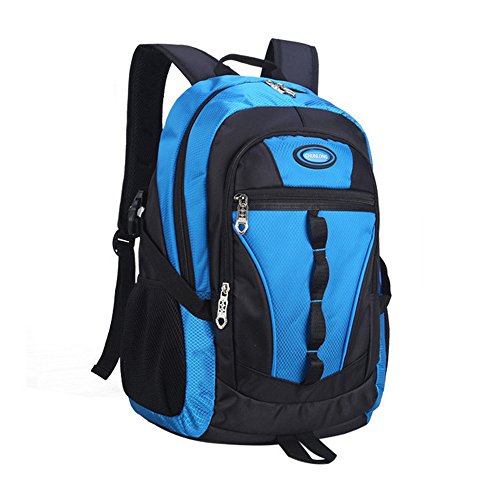
VIDOSCLA Teens Elementary School Backpack Casual Day pack Students Book Bags Outdoor Travel Knapsack Bags for Boys Girls
- 【Backpack Size for Your Reference】32(L)*19(W)*46cm(H); 12.6(L)*7.48(W)*18.4Inch(H);Weight:0.75KG; Boys backpac
- 【The Water-resistant Material of Kids Backpack】We always use strict quality control products for children's Pr
- 【Comfortable Feeling】Thoughtful design for children to bring better comfort experience; Widen and thicken dura
2. Capacity and Compartments: Matching the Bag to the Schedule
Tweens live complicated logistical lives. On any given Tuesday your child might need a Chromebook, a PE kit, a lunchbox, a water bottle, a folder for each subject, and a library book they've been meaning to return since March. The right bag has a place for all of it.
A general rule: 28–35 litres is the sweet spot for most tweens in grades 4–7. Go smaller and things get crammed (damaging both the bag and the books); go larger and kids fill the space, inadvertently overloading themselves.
The Compartment Checklist
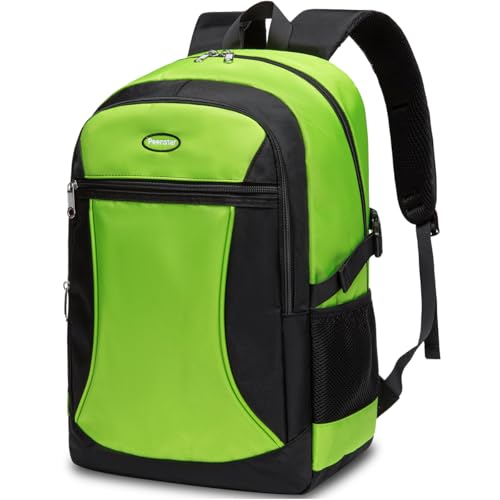
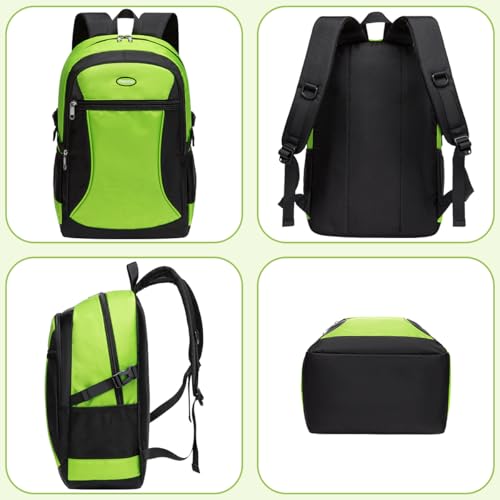
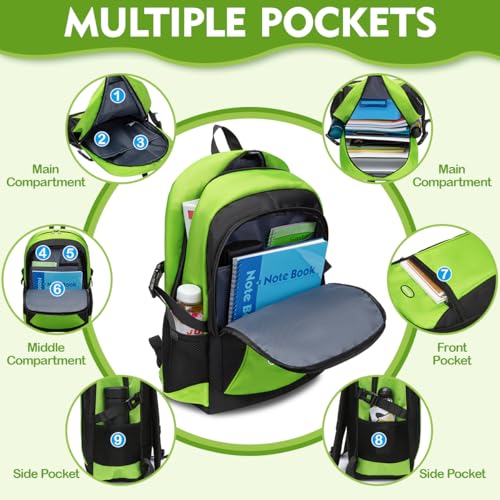
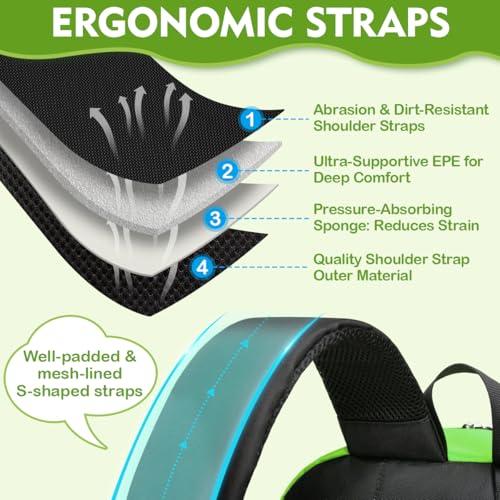
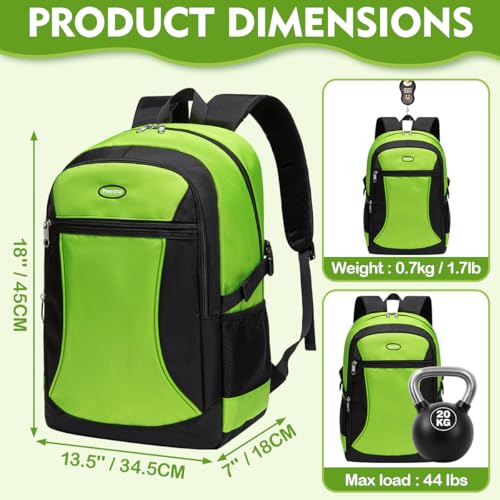
Boys School Backpack for Kids Teen Elementary Middle High Grade School Senior Year Youth Teenage Girls Child Bookbag Big Boy Tween College Student Schoolbag with Laptop 18"
- This 28-liter, extra-large capacity backpack is your ultimate solution--- With its spacious 18-inch height, 13
- This extra-large capacity backpack features 9 pockets and compartments for easy access to your items. The spac
- The zippers are made of custom high-quality durable materials, rigorously tested to withstand over 100,002 use
3. Durability and Materials: What Actually Survives the School Year
Tweens are not gentle with their belongings. A bag gets dropped on wet pavement, shoved under a bus seat, used as a pillow during a field trip, and dragged across a gym floor. Material quality is the difference between a bag that lasts one school year and one that lasts three.
Materials Worth Paying For
High-density nylon or polyester (600D and above) resists abrasion far better than cheaper 300D fabric. Look for reinforced stitching at stress points — the base corners, strap attachment points, and zipper pulls are where cheaper bags fail first.
Metal zippers vs. plastic zippers — metal zippers (often YKK or SBS branded) withstand tens of thousands of open-close cycles. Plastic zippers on a bag your tween uses five days a week will start failing by spring.
Water resistance vs. waterproofing — most school bags are water-resistant (repels light rain and splashes) rather than fully waterproof. That's fine for everyday use. If your child cycles to school or lives somewhere rainy, look for a bag with a DWR (Durable Water Repellent) coating or a rain cover included.

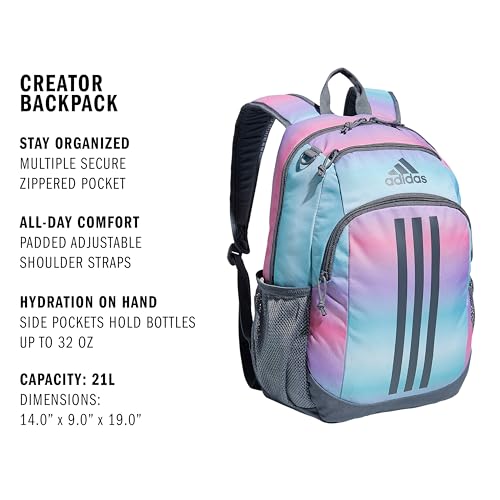
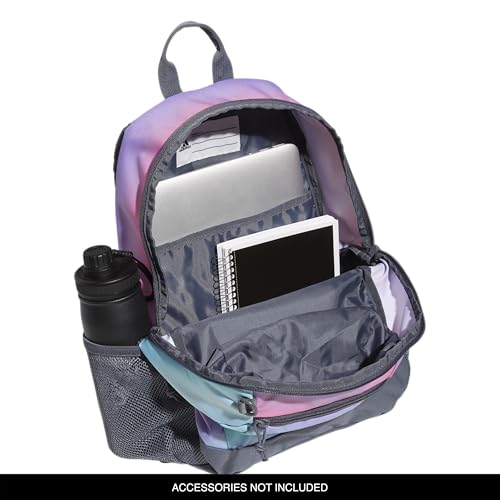
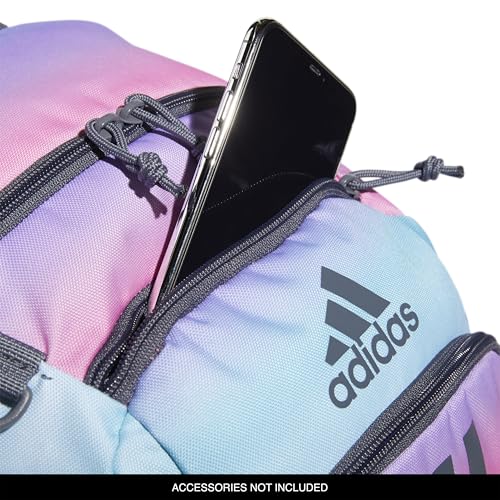
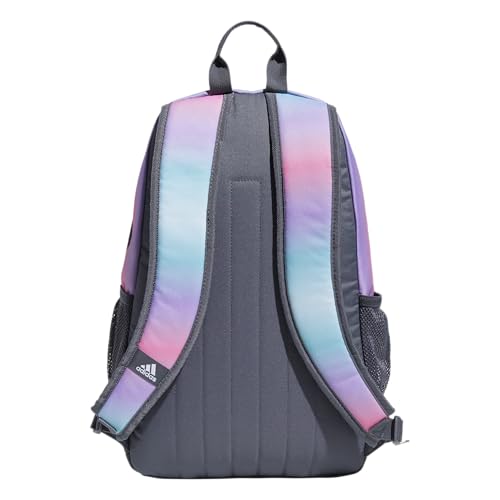
adidas Creator School Backpack for Girls & Boys — Durable Bookbag
- This adidas backpack features padded shoulder straps for comfort, making it a great school bag for girls and b
- Easy-to-clean wipeable lining makes it a reliable backpack for school, sports, or daily use.
- Durable and backed by a lifetime warranty, this adidas school backpack offers multiple compartments for books,
4. Budget vs. Mid-Range vs. Premium: An Honest Comparison
Not every family needs (or can justify) a $45 branded backpack, and not every $10 bag is a false economy. Here's how to think about the tiers honestly.
Budget (under $15): Best for situations where the bag is a backup, a camp bag, or a short-term solution. Expect lighter materials, basic zippers, and limited compartmentalisation. Fine for a one-season use case.
Mid-range ($18–$30): The sweet spot for most families. You get water-resistant fabric, decent zippers, padded straps, and a laptop sleeve — everything a tween genuinely needs — without overspending. This tier has improved dramatically in the last five years.
Premium ($40+): Worth it when the brand offers a meaningful warranty, when your tween has a specific ergonomic need (e.g., a back condition), or when the bag doubles as sports kit and school bag. Adidas, for example, backs its Creator backpack with a lifetime warranty — a real differentiator.
| Bag Style / Tier | Best For | Capacity | Key Strength | Main Limitation | Recommended Product | Price |
|---|---|---|---|---|---|---|
| Budget classic | Backup / camp / short-term | ~17" standard | Low cost, easy to replace | Basic zippers, fewer pockets | Trailmaker Classic 17" Backpack | ~$10 |
| Mid-range casual | Everyday school, style-focused | 13"×7"×17.5" | Aesthetic appeal, multiple pockets | Smaller capacity | Phaoullzon Aesthetic Laptop Bookbag | ~$19 |
| Mid-range large | Heavy loaders, multiple subjects | 28L / 18" height | 9 pockets, laptop sleeve to 20" | Bulkier when empty | Peenstar 18" Tween Bookbag | ~$20 |
| Mid-range travel-ready | School + travel + commute | 15.6" laptop fit | Anti-theft zip, key fob hook | Adult-leaning aesthetic | MATEIN Travel Laptop Backpack | ~$28 |
| Mid-range teen | Middle-school daily use | 32×19×46 cm | Breathable back panel, spine support | Fewer organiser pockets | VIDOSCLA Teen School Backpack | ~$21 |
| Premium branded | Active tweens, longevity | Multi-compartment | Lifetime warranty, wipeable lining | Higher upfront cost | adidas Creator Backpack | ~$45 |
5. Getting Your Tween Involved (and Why It Actually Matters)
Here's a parenting truth most gear guides skip: a tween who hates their backpack will stuff it carelessly, leave it on the floor, and lose things in it constantly. A tween who chose it — or at least had real input — will treat it better, pack it more thoughtfully, and tell you when something's wrong with it.
Research from developmental psychology consistently shows that autonomy support (giving children meaningful choices within safe parameters) during the tween years strengthens self-regulation and responsibility. The backpack is a low-stakes, high-leverage place to practice this.
How to Structure the Choice
6. Red Flags: Signs the Gear Isn't Working
Even the right bag becomes the wrong bag if it's packed incorrectly, worn incorrectly, or has quietly developed a problem. Know what to watch for.
Physical Warning Signs in Your Tween
Gear Warning Signs
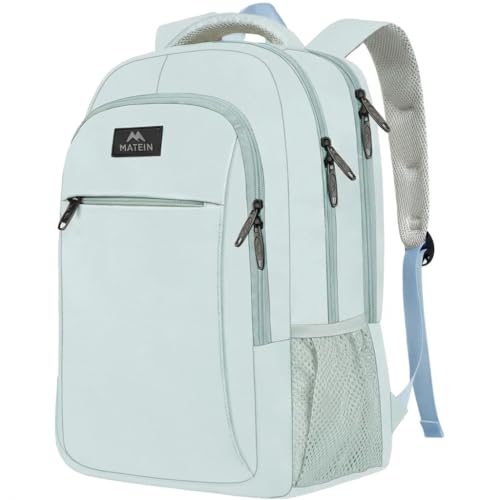
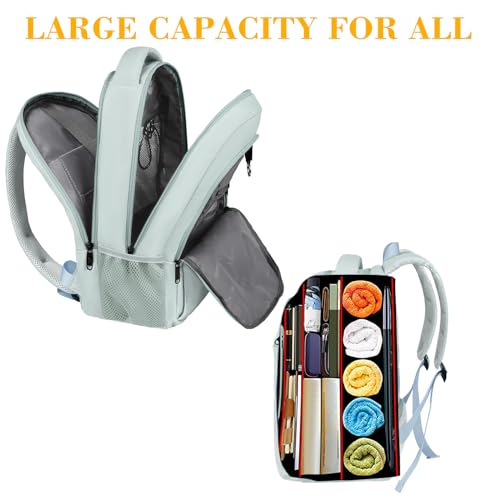

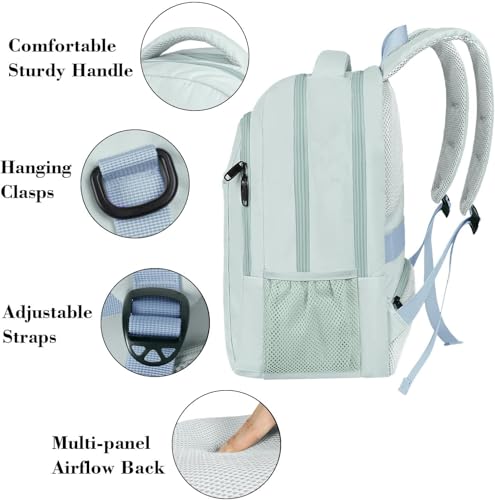
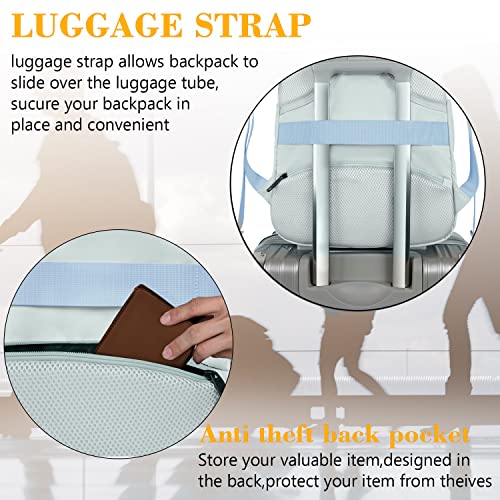
MATEIN Travel Laptop Backpack, Lightweight Anti Theft School Bookbag for Girls Boys and Students, Water Resistant 15.6 Inch Computer Bag Sturdy College Daypack Gift for Women
- FUNCTIONAL DESIGN: This laptop backpack features a thoughtful, user-friendly structure for all your daily esse
- PLENTY OF SPACE & POCKETS: 1 separate laptop compartment fit 15.6 Inch Laptop as well as 15 Inch,14 Inch and 1
- DURABLE: Made of Water Resistant and Durable Anti Scratch Fabric with metal zippers.Ensure a secure & long-las
7. Beyond the Backpack: Other Gear Worth Considering at This Stage
The backpack gets most of the attention, but tweens often need a small ecosystem of supporting gear to stay organised and comfortable through a full school day.
Water Bottles
Hydration affects concentration. The European Food Safety Authority recommends children aged 9–13 drink 1.6–2.1 litres of fluid daily. A bag with two side pockets (like the Peenstar 18" Bookbag or the MATEIN Travel Backpack) makes carrying a reusable bottle frictionless.
Pencil Cases and Desk Organisation
At this age, a separate structured pencil case beats loose pens rattling in a front pocket. Tweens with a designated spot for every item lose things less — and that's not a personality trait, it's a systems design issue.
Lunch Carriers
If your tween's bag doesn't have an insulated compartment (most don't), a slim insulated lunch bag that fits inside the main compartment is worth adding. Look for one that's wipe-clean inside and fits a standard 9×7-inch footprint.
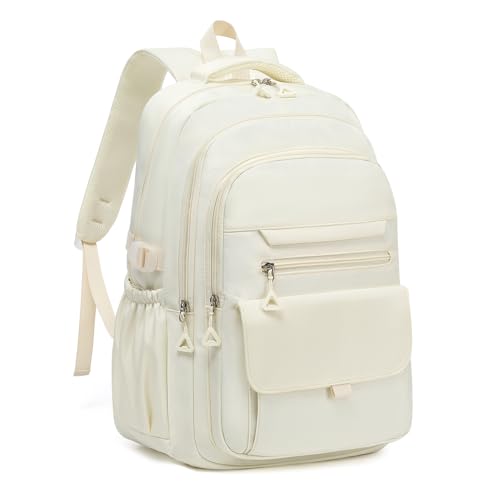
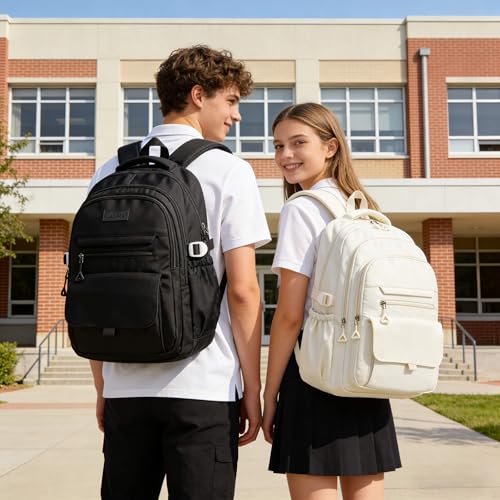
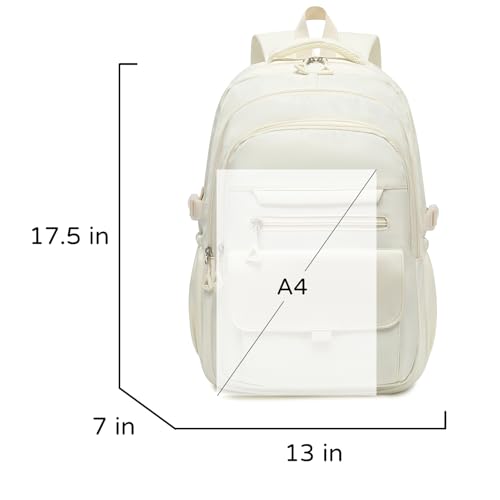
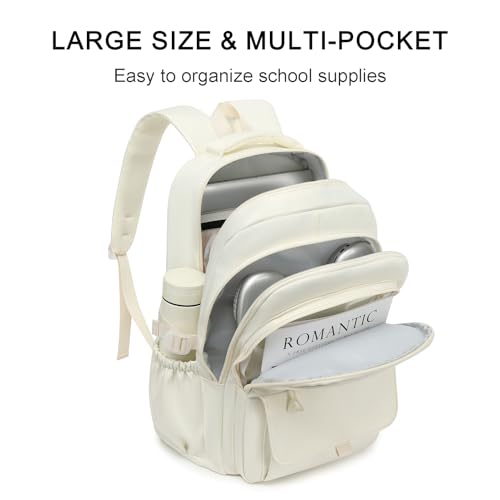
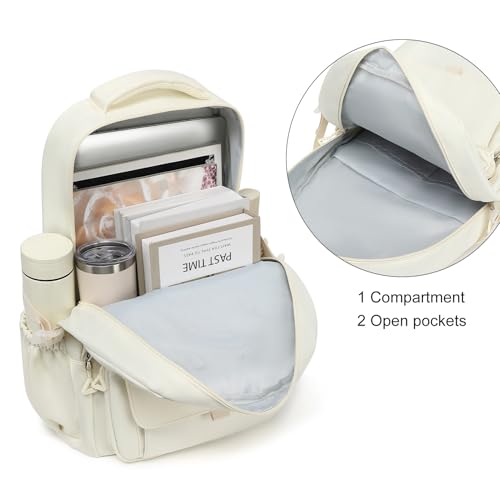
Phaoullzon Girls School Backpack for Boys, College Aesthetic Laptop Bookbag for Travel,Beige
- Upgraded zippers: High quality SBS zippers make the backpack more sturdy durable. This kawaii backpack made of
- Multiple Pocket and Spacious: This cute laptop backpack measuring 13’’ x 7’’ x 17.5’’. This aesthetic backpack
- Practical Backpack: This Aesthetic backpack uses the sturdy zipper closure, and the long puller make it more s
Expert Insights
Watching your tween head out the door with a bag that fits well, holds everything they need, and — let's be honest — that they're actually proud to carry, is one of those small parenting wins that adds up. The gear choices you make at this stage aren't just about convenience; they're about protecting a developing spine, building organisational habits, and giving your child tools that work as hard as they do.
The best backpack isn't the most expensive one, or the flashiest one, or even the one with the most pockets. It's the one that fits your child's body, matches their daily load, and earns their buy-in. Get those three things right, and you've solved the gear puzzle for the tween years.
If this guide helped you, save it for back-to-school season — and share it with another parent who's standing in that school-supply aisle right now, quietly calculating.
Sources & References
- American Academy of Pediatrics (AAP). "Backpack Safety." HealthyChildren.org. https://www.healthychildren.org/English/safety-prevention/at-play/Pages/Backpack-Safety.aspx
- American Academy of Orthopaedic Surgeons (AAOS). "Backpack Safety." OrthoInfo. https://orthoinfo.aaos.org/en/staying-healthy/backpack-safety/
- European Food Safety Authority (EFSA). "Dietary Reference Values for Water." EFSA Journal, 2010. https://efsa.onlinelibrary.wiley.com/doi/abs/10.2903/j.efsa.2010.1459
- Ablon, Stuart, PhD. Think:Kids Program, Massachusetts General Hospital / Harvard Medical School. https://thinkkids.org
- Nitin Bhatia, MD. American Academy of Orthopaedic Surgeons. Referenced in AAOS backpack safety educational materials.
Frequently Asked Questions
How heavy is too heavy for a tween's backpack?
What size backpack does a tween actually need?
Should I buy a backpack with wheels for my tween?
How do I get my tween to actually take care of their backpack?
Is a branded backpack (like adidas) worth the extra cost for a tween?
My tween complains of back pain after school. What should I check first?
Can my tween use one backpack for both school and sports?
Was this helpful?
Thanks — your feedback helps us pick what to write next.