Why Toddler Sleep Regressions Happen (And When to Expect Them)
Toddler sleep regressions are temporary, developmentally normal disruptions that peak around 18 months, 2 years, and 3 years — and the right environmental tools, paired with consistent routines, can meaningfully shorten how long they derail your nights.
In this article
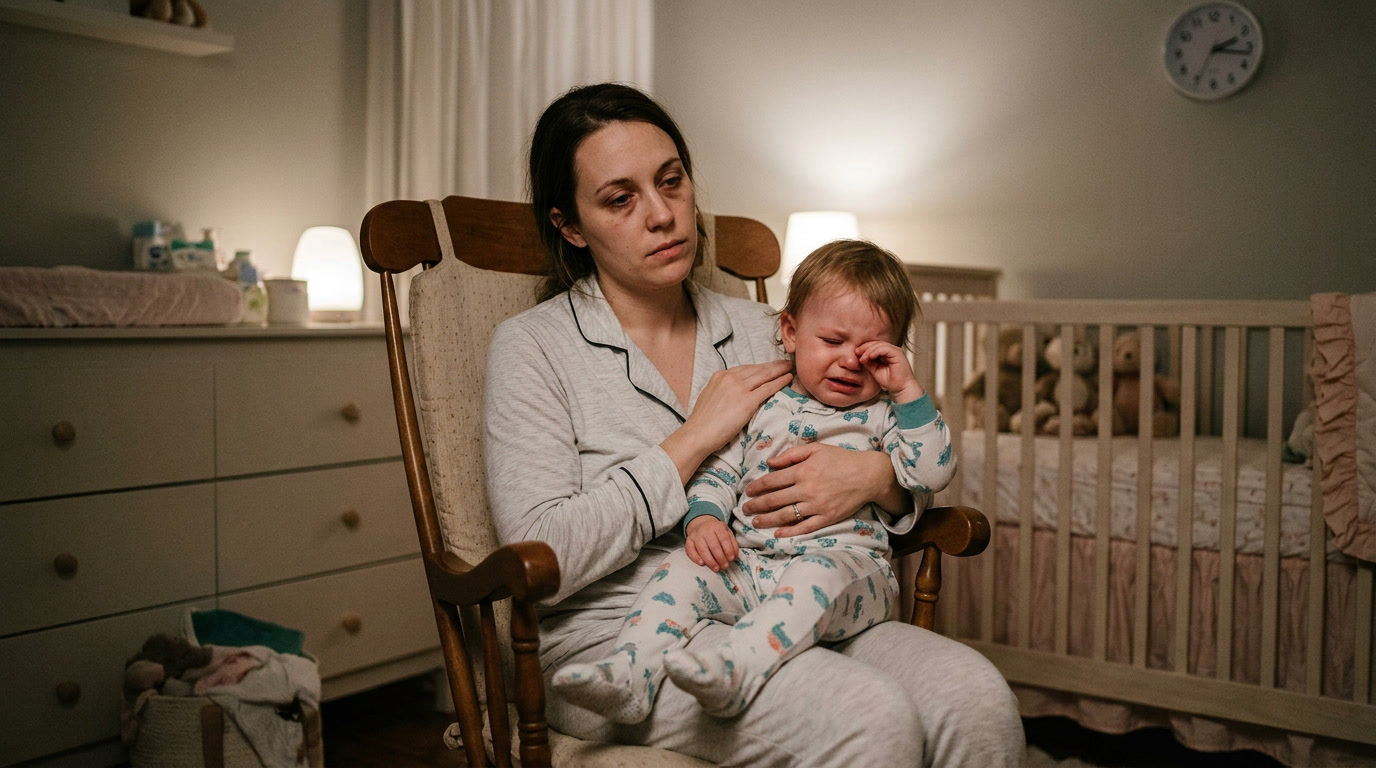
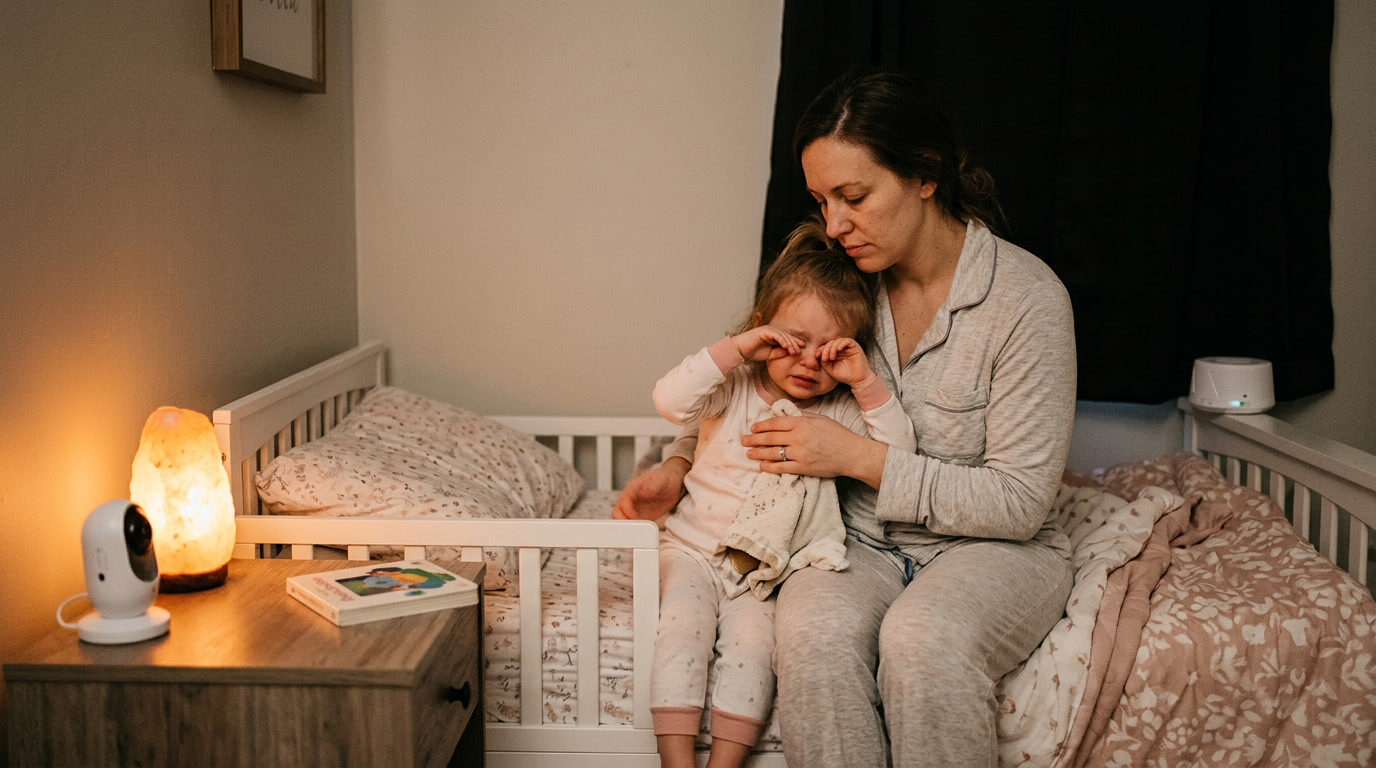
It's 2:53 AM. Your toddler — who slept beautifully for months — is standing in their crib screaming, and you have no idea what changed. You haven't changed anything. That's exactly the point. According to the American Academy of Pediatrics (AAP), toddlers between 1 and 3 years old undergo some of the most rapid neurological development of their entire lives, and that brain growth routinely disrupts sleep architecture. Studies cited by the AAP suggest that sleep disturbances affect up to 30% of toddlers at any given time, with developmental regressions being a leading cause.
The encouraging news: you don't have to white-knuckle through it. The right products — used alongside consistent routines — can reduce both the intensity and duration of these rough patches.
What you'll understand after reading this guide:
1. Why Toddler Sleep Regressions Happen (And When to Expect Them)
Sleep regressions are not a parenting failure — they are a sign your toddler's brain is working exactly as it should. During periods of rapid cognitive or motor development, the brain's sleep architecture shifts. Toddlers spend more time in lighter sleep stages, making them easier to rouse and harder to resettle.
The three most common regression windows in the toddler years are:
- 18 months: Language explosion, increased separation anxiety, and the emergence of strong opinions ("no" becomes a full-time hobby) - 2 years: Imaginative play takes off, nighttime fears begin, and molars arrive - 3 years: Transition away from naps, preschool transitions, and vivid dreaming
What's Happening in the Brain
During a regression, your toddler isn't being manipulative. Their prefrontal cortex — the part responsible for emotional regulation — is still years from maturity. When developmental leaps occur, the nervous system is essentially running hotter. Sleep becomes lighter, night wakings increase, and settling takes longer.
2. White Noise: The Single Most Effective Environmental Tool for Toddler Sleep
White noise works by creating a consistent acoustic backdrop that masks the sudden sound spikes — a door closing, a sibling's voice, street traffic — that pull light-sleeping toddlers fully awake. It's not a sedative; it's a buffer.
Continuous white noise reduces the acoustic contrast between background sounds and sudden noises, which is the primary trigger for arousal in light sleep stages.
— American Academy of Sleep Medicine, Clinical Practice Guidelines (2021)
The key word is continuous. A sound machine that loops with audible breaks, or one that shuts off after 30 minutes, loses its protective effect right around the time your toddler enters their lightest sleep phase (typically 45–60 minutes into a sleep cycle).
What to Look for in a Toddler Sound Machine
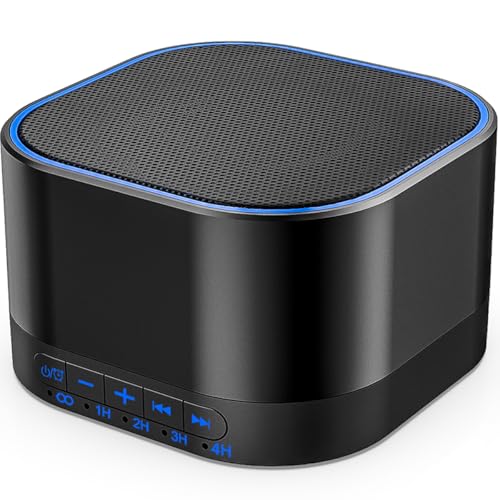

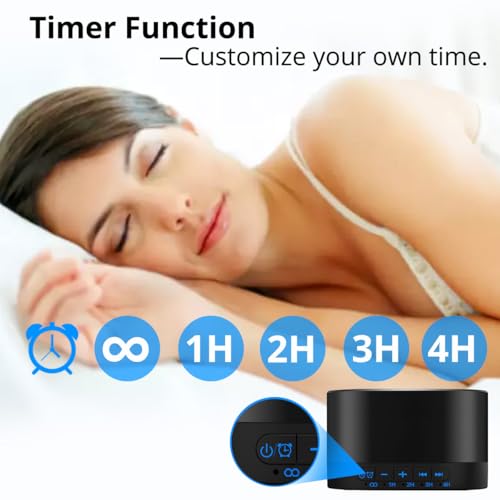
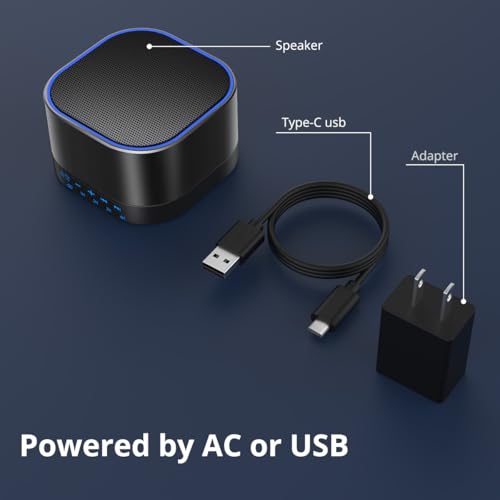
Magicteam Sound White Noise Machine with 20 Non Looping Natural Soothing Sounds and Memory Function 32 Levels of Volume Powered by AC or USB and Sleep Sound Timer Therapy for Baby Kids Adults
- ❤20 Non-Looping Sleep Sounds: White noise ,Brown noise, pink noise, blue noise, fan,brook, rain, ocean,bird an
- ❤Precise Volume & Timer Settings:With 32 Levels of Volume ,it is perfect for baby sleeping .And you can set 1
- ❤Unique Design: Solid-state design with 3.01inch*3.01inch *1.77inch,it is portable for home, office or travel,
The Magicteam White Noise Machine is a standout here. Its 20 non-looping sounds — including four distinct noise colours (white, brown, pink, blue) and nature tracks — play seamlessly, and 32 volume levels give you precise control. At under $21, it's also the most budget-accessible option in this guide and has earned its 4.5-star rating across nearly 68,000 reviews.
3. Night Lights That Help (Not Hurt) Toddler Sleep
Fear of the dark emerges strongly between ages 2 and 3, and it's neurologically legitimate — not a stall tactic. But the wrong night light can backfire. Bright white or blue-spectrum light suppresses melatonin production, making it harder for your toddler to fall back asleep after a night waking.
What you want: a dim, warm-toned (amber or red spectrum) light that provides enough reassurance without triggering wakefulness.
Sound Machine + Night Light Combos: The Smart Play
Rather than buying a separate night light, a sound machine with an integrated warm-glow option covers both bases and means one less device to manage. The Color Noise Sound Machine offers 10 colour options with adjustable brightness, so you can dial in a warm amber glow for sleeping and a brighter tone for nappy changes without waking the whole house.
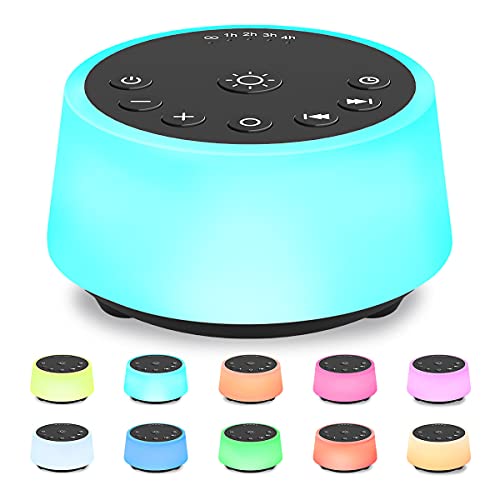


Color Noise Sound Machines with 10 Colors Night Light 25 Soothing Sounds and Sleep White Noise Machine 32 Volume Levels 5 Timers Adjustable Brightness Memory Function for Adults Kids Baby
- ♪【25 High-fidelity and Soothing Sounds】 There are 4 types of white noise, 4 fan sounds, 3 sea wave sounds, 3ra
- ♪【10 Night Lights and Adjustable Brightness 】 The white noise machine has a unique 10-color night lights and a
- ♪【5 Timer-Setting and Memory Function】 There are a total of 5 timer options, continuously play, 1 hour, 2 hour
For parents who want app control — particularly useful when you don't want to enter the room to adjust settings — the Momcozy White Noise Machine connects via Wi-Fi and lets you change volume, light colour, and sound from your phone. Its 7 light colours and 34 sounds make it one of the most versatile options available.

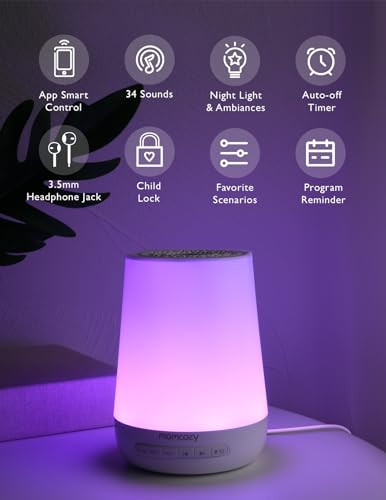
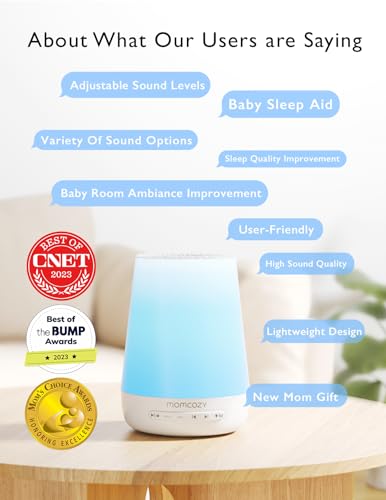
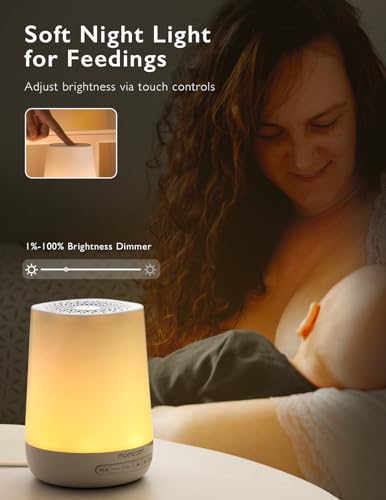
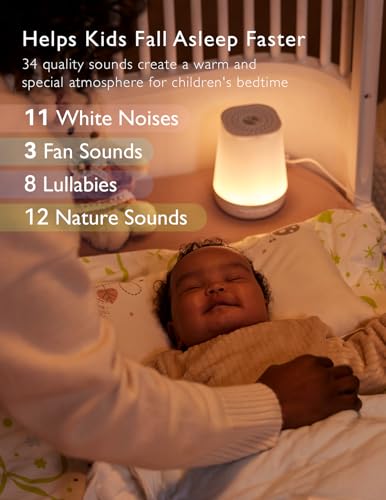
Baby Sound Machine, Momcozy White Noise Machine for Baby Sleeping with Night Light, Toddler Sleep Trainer 34 Soothing Sleep Sounds, Timer, App Remote Control, Personal Sleep Routine Alarm Clock(Blue)
- Multiple Soothing Sounds - This sound machine offers 34 high-fidelity sounds, including 11 white noises, 3 fan
- Night Light - The adjustable, soft LED lamp provides sufficient, gentle light for your bedroom at night. It al
- Convenient to use - The smart light can be adjusted remotely via your phone or manually with a soft touch. Con
4. Sleep Trainer Clocks: Giving Toddlers a Visual "Permission to Wake"
One of the most underused tools in the toddler sleep toolkit is the OK-to-wake clock — a device that signals to your toddler, visually, whether it's still sleep time or morning. This matters enormously during regressions, when early waking becomes a new habit.
Toddlers between 2 and 3 years old are developmentally ready to understand simple visual cues. A clock that glows red during sleep hours and green at an agreed wake time gives them a concrete, external rule to follow — removing the negotiation from the equation.


Dreamegg Sound Machine Baby - White Noise Sound Machine Baby With Night Light, Ok to Wake Alarm Clock, 34 Soothing Sounds, Sleep Trainer, Routine Builder, App Control for Kids Nursery Sleeping Bedroom
- 𝗛𝗲𝗹𝗽 𝗞𝗶𝗱𝘀 𝗦𝗹𝗲𝗲𝗽 𝗕𝗲𝘁𝘁𝗲𝗿: Dreamegg sound machine baby offers 34 soothing sounds, including 11 nature sounds, 7 a
- 𝗩𝗲𝗿𝘀𝗮𝘁𝗶𝗹𝗲 𝗡𝗶𝗴𝗵𝘁 𝗟𝗶𝗴𝗵𝘁 𝗠𝗼𝗱𝗲𝘀: Dreamegg sound machine baby is equipped with 3 modes of night lights - Solid Colo
- 𝗘𝗳𝗳𝗲𝗰𝘁𝗶𝘃𝗲𝗹𝘆 𝗕𝘂𝗶𝗹𝗱 𝗛𝗲𝗮𝗹𝘁𝗵𝘆 𝗦𝗹𝗲𝗲𝗽 𝗥𝗼𝘂𝘁𝗶𝗻𝗲𝘀: Dreamegg sound machine baby combines night light, soothing sounds, t
The Dreamegg Sound Machine with OK-to-Wake Clock combines a sleep trainer, routine builder, 34 soothing sounds, and a versatile night light in one unit. Parents can set specific sleep and wake times via the app, and the colour shift does the communication for them. For families in the thick of a 2- or 3-year regression, this is the closest thing to a multi-tool for toddler sleep.
5. The Projector Night Light: Sensory Comfort for Anxious Toddlers
Some toddlers don't just need darkness managed — they need something to focus on. Toddlers experiencing the 2- to 3-year regression often report (in their limited vocabulary) being scared of "the dark" or "something in the room." A ceiling projector transforms the room into a familiar, predictable environment that they can look at while falling back to sleep.
This is particularly effective for toddlers who are imaginative, sensitive, or going through a phase of vivid dreaming — all hallmarks of the 3-year regression.
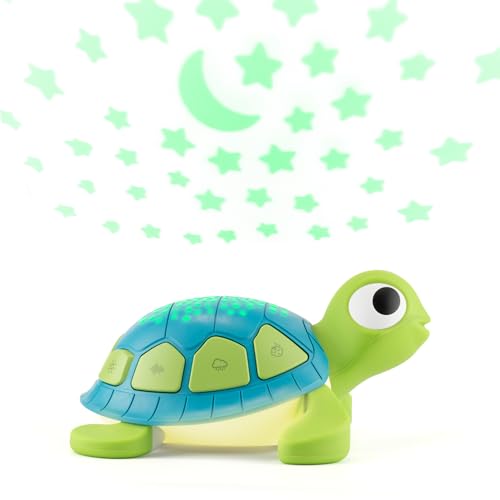
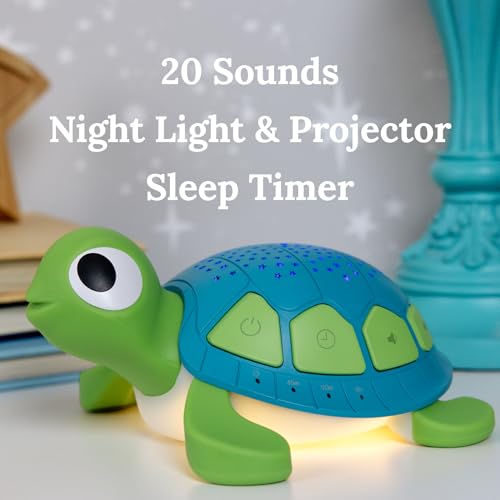
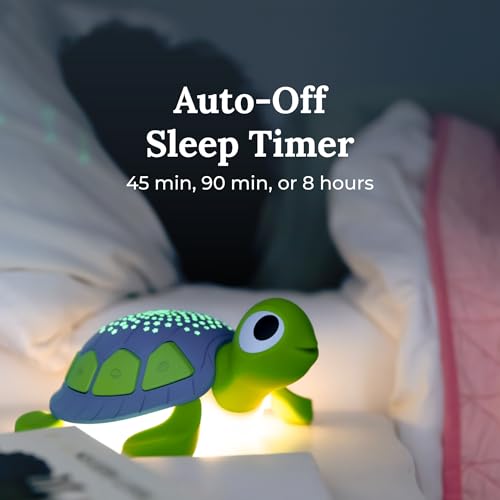
Yogasleep Baby Soundscene White Noise Sound Machine, 20 Relaxing Sounds & Lullabies, Starry Night Light Projector, Bedroom Decor for Infant, Toddler & Kids, Noise Canceling & Sleep Aid, Registry Gift
- EFFECTIVELY MASKS NOISE: Beloved by generations since 1962, Yogasleep is the trusted leader in white noise mac
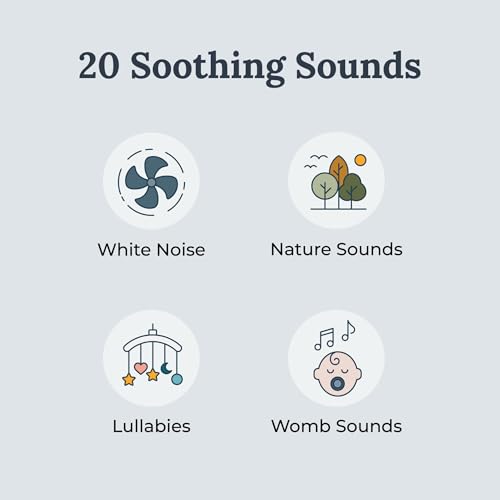
- 20 CURATED SLEEP TRACKS: Plays 20 curated sleep sounds including white noise, nature sounds, and sleep songs.
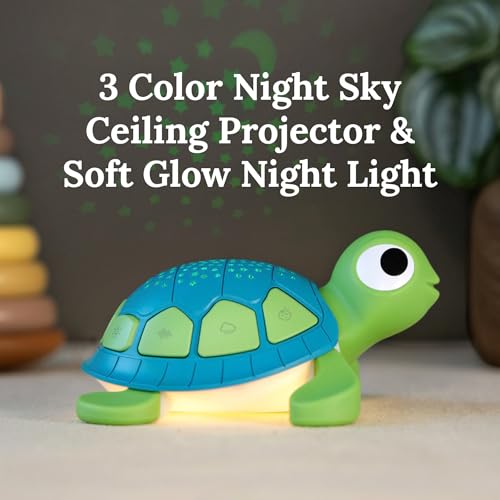
- NIGHT SKY CEILING PROJECTOR & SOFT GLOW NIGHT LIGHT: Project a constellation pattern with the turtle projector
The Yogasleep Baby Soundscene does triple duty: it plays 20 curated sleep sounds (including womb sounds and lullabies that younger toddlers find deeply familiar), projects a customisable constellation pattern onto the ceiling, and provides a soft belly-glow night light that won't suppress melatonin. Yogasleep has been making white noise machines since 1962, and their acoustic quality reflects that heritage.
6. Building the Routine: Why Products Only Work Inside a Consistent Framework
No product — however well-designed — will fix a sleep regression on its own. The research is unambiguous on this: environmental tools work best when they are anchored to a predictable bedtime routine.
The AAP recommends a consistent, calming pre-sleep routine of 20–45 minutes for toddlers, beginning at the same time each night. This routine acts as a biological signal — it tells your toddler's brain to begin the process of winding down and releasing melatonin naturally.
A consistent bedtime routine is associated with improved sleep outcomes in children across all age groups, including reduced sleep onset latency and fewer night wakings.
— American Academy of Pediatrics, Healthy Sleep Habits recommendations (2022)
A Simple Regression-Proof Routine
1. Bath or warm wash (10 minutes) — warmth drops core body temperature post-bath, triggering sleepiness 2. Pyjamas + dim lights — begin the light transition; this is when you switch on your night light/sound machine 3. 2–3 books — predictable, calm, same books during regression weeks provides extra security 4. One song or lullaby — a clear, consistent "last thing before sleep" cue 5. Into bed, sound machine on, projector on — the environmental cues do the rest
Product Comparison: Choosing the Right Sound Machine for Your Toddler's Regression
| Sound Machine | Best For | Key Features | Night Light | App Control | Recommended Product | Price |
|---|---|---|---|---|---|---|
| Magicteam | Budget-conscious families, first-time buyers | 20 non-looping sounds, 32 volume levels, AC/USB power | None | No | Magicteam White Noise Machine | $20.89 |
| Color Noise | Parents who want colour flexibility + sound | 25 sounds, 10 light colours, adjustable brightness, memory function | 10 colours, adjustable | No | Color Noise Sound Machine | $23.99 |
| Yogasleep Soundscene | Anxious toddlers, 2–3 yr fear of dark | 20 sounds + lullabies, ceiling projector, soft glow night light | Warm glow + projector | No | Yogasleep Baby Soundscene | $24.98 |
| Dreamegg | Toddlers needing routine structure, OK-to-wake | 34 sounds, sleep trainer, routine builder, alarm clock | 3 modes + dynamic | Yes | Dreamegg Sound Machine | $32.39 |
| Momcozy | Tech-forward parents, remote adjustment | 34 sounds, 7 light colours, Wi-Fi app control | 7 colours | Yes | Momcozy White Noise Machine | $39.99 |
Expert Insights: What Paediatric Sleep Specialists Want You to Know
Conclusion
Sleep regressions are one of those parenting experiences that feel endless at 3 AM but are genuinely temporary. Your toddler isn't broken, and neither is your approach — their brain is just doing a remarkable amount of work right now. The right environmental tools won't eliminate every rough night, but they will shorten the runway and give both of you a better chance of resettling quickly when waking happens.
If there's one sentence worth saving: the routine is most important on the hardest nights. Hold the structure, choose the right tools for your child's specific trigger, and trust that this phase — like every phase — passes.
If this guide helped, save it for the next regression window and share it with a parent who's in the thick of it right now. They'll thank you at a reasonable hour.
Sources & References
- American Academy of Pediatrics. "Healthy Sleep Habits: How Many Hours Does Your Child Need?" HealthyChildren.org, 2022. https://www.healthychildren.org/English/healthy-living/sleep/Pages/healthy-sleep-habits-how-many-hours-does-your-child-need.aspx
- American Academy of Pediatrics. "Sleep-Related Infant Deaths: Updated 2022 Recommendations for Reducing Infant Deaths in the Sleep Environment." Pediatrics, 2022. https://doi.org/10.1542/peds.2022-057990
- American Academy of Sleep Medicine. "AASM Releases Guidance on Sleep and Technology Use Among Children." 2021. https://aasm.org
- Mindell, J.A., & Williamson, A.A. "Benefits of a bedtime routine in young children: Sleep, development, and beyond." Sleep Medicine Reviews, 40, 93–108, 2018. https://doi.org/10.1016/j.smrv.2017.10.007
- Canapari, Craig MD. "It's Never Too Late to Sleep Train." Yale Pediatric Sleep Center / HarperCollins, 2019.
- Schneeberg, Lynelle PsyD. "Become Your Child's Sleep Coach." American Academy of Sleep Medicine Fellow, 2019.
- Karp, Harvey MD. "The Happiest Baby on the Block / Happiest Toddler on the Block." Bantam Books. Clinical Professor of Paediatrics, USC Keck School of Medicine.
- World Health Organization. "Guidelines on physical activity, sedentary behaviour and sleep for children under 5 years of age." WHO, 2019. https://www.who.int/publications/i/item/9789241550536
- Meltzer, L.J., & Mindell, J.A. "Relationship between child sleep disturbances and maternal sleep, mood, and parenting stress." Journal of Family Psychology, 21(1), 67–73, 2007.
Frequently Asked Questions
What age do toddler sleep regressions happen?
How long does a toddler sleep regression last?
Is it safe to use a white noise machine every night for a toddler?
Should I use melatonin for my toddler's sleep regression?
What's the difference between a sleep regression and a sleep disorder?
Do OK-to-wake clocks actually work for toddlers?
Can I use a projector night light alongside a white noise machine?
Was this helpful?
Thanks — your feedback helps us pick what to write next.