Why Toddler Emotions Are So Intense (It's Neuroscience, Not Naughtiness)
Toddler behaviour and emotions are driven by a brain that feels everything intensely but can't yet regulate those feelings — your job is to be the external regulator until their own circuits catch up.
In this article
Picture this: it's 7 a.m., you've handed your 2-year-old the exact banana they pointed at, and they've dissolved into full-body sobs because you broke it getting it out of the peel. Sound familiar? You are not alone — and you are not failing.
According to the American Academy of Pediatrics (AAP), approximately 87% of toddlers have tantrums, and roughly one in five has tantrums that parents describe as severe. Emotional dysregulation is the single most common behavioural concern raised at well-child visits for the 1–3 age group. Understanding why it happens — and what actually helps — can transform these exhausting moments into genuine connection opportunities.
In this guide you'll understand:
1. Why Toddler Emotions Are So Intense (It's Neuroscience, Not Naughtiness)
The toddler brain is experiencing the most rapid period of neural growth since the first trimester of pregnancy — and the emotional accelerator develops years before the brakes.
The amygdala (your child's emotional alarm system) is highly active and sensitive from birth. The prefrontal cortex — responsible for impulse control, frustration tolerance, and logical thinking — won't be reliably online until around age 25, according to research published by the National Institute of Mental Health (NIMH). Between ages 1 and 3, these two regions are barely communicating. That's not a character flaw; it's anatomy.
What This Looks Like Day-to-Day
- Sudden, intense emotional swings with little apparent trigger - Difficulty waiting even a few seconds for something they want - Aggressive impulses (hitting, biting, throwing) that feel involuntary — because, neurologically, they often are - Rapid recovery after meltdowns — they're not manipulating you; their storm genuinely passes
Today's action: Next time a meltdown starts, silently remind yourself: "Their brain can't do this yet — I am their prefrontal cortex right now." That reframe alone changes how you respond.
2. The Tantrum Spectrum: What's Normal, What's Not
Not all tantrums are created equal, and knowing the difference saves you unnecessary worry — or helps you seek support at the right time.
Typical Tantrum Features (Ages 1–3)
Signs Worth Discussing With Your Paediatrician
The AAP's Bright Futures guidelines note that persistent, severe tantrums beyond typical parameters may warrant screening for speech-language delays (frustration is often communication), sensory processing differences, or emerging anxiety.
3. In-the-Moment Strategies That Actually Work
The single most effective thing you can do during a tantrum is stay regulated yourself. Research from the Harvard Center on the Developing Child describes this as "co-regulation" — your calm nervous system literally down-regulates your child's through the biological process of co-regulation, mediated by eye contact, touch, and tone of voice.
The SERENE Framework (Step by Step)
Paediatrician Dr. Mona Amin, known as PedsDocTalk, popularised a practical framework that maps well onto the evidence:
- S – Stay calm (your nervous system leads) - E – Empathise first ("I can see you're really upset") - R – Resist the urge to lecture (language processing shuts down mid-meltdown) - E – Ensure safety (remove hazards; don't restrain unless necessary) - N – Name the feeling ("You wanted that toy and it's hard to wait") - E – Engage after the storm (reconnect, then briefly problem-solve)
Children who experience co-regulation from a calm, responsive caregiver develop stronger self-regulation skills over time than children who are left to 'cry it out' emotionally.
— Harvard Center on the Developing Child (2016)
Books that teach these concepts before the storm hits are remarkably effective. Reading Harper Handles Big Feelings together during calm moments gives your toddler a vocabulary and a framework they can draw on when emotions surge.
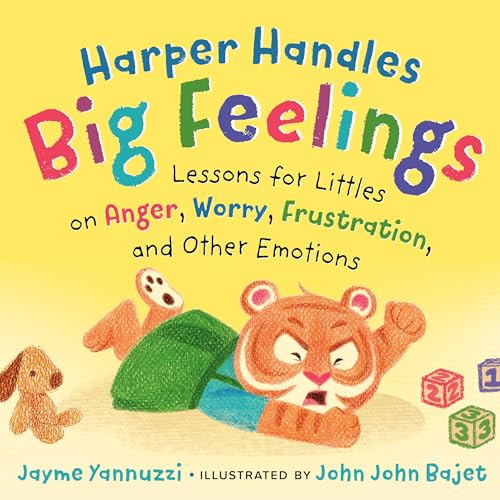
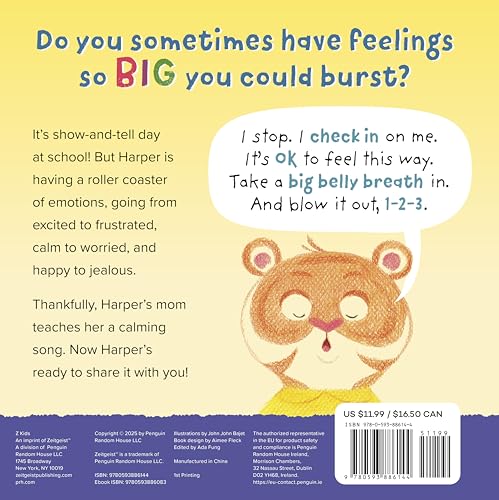
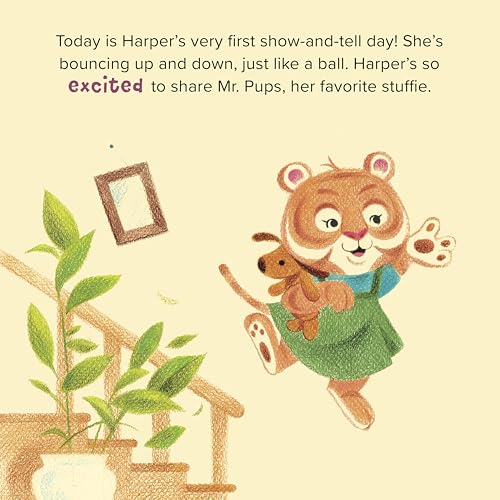
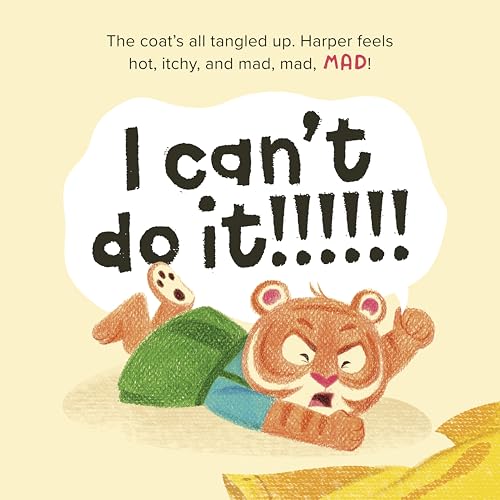
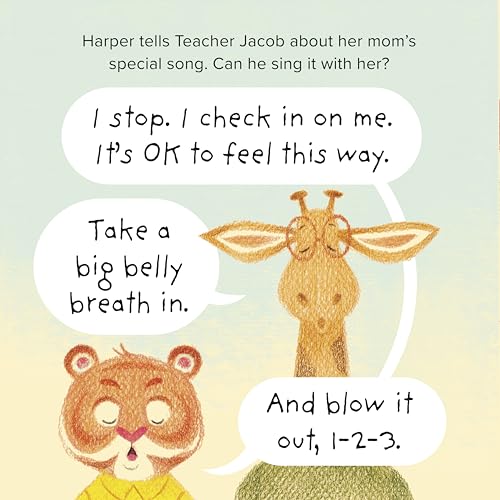
Harper Handles Big Feelings: Lessons for Littles on Anger, Worry, Frustration, and Other Emotions
- Children's Books
- Growing Up & Facts of Life
- Friendship, Social Skills & School Life
4. Emotional Literacy: Teaching Toddlers to Name What They Feel
You can't manage a feeling you don't have a word for — and toddlers have almost no emotional vocabulary until adults build it with them.
Research from the University of California, Berkeley (published in Psychological Science, 2016) found that "affect labelling" — simply naming an emotion out loud — measurably reduces the subjective intensity of that emotion, even in very young children. This is sometimes called "name it to tame it," a phrase popularised by psychiatrist and author Dr. Dan Siegel, MD, Clinical Professor of Psychiatry, UCLA School of Medicine.
Practical Ways to Build Emotional Vocabulary
1. Narrate your own feelings in real time: "I'm feeling frustrated because I spilled my coffee. I'm going to take a breath." 2. Use feeling faces — point to illustrated faces in books and ask "Which face looks like you right now?" 3. Validate before redirecting — "You're angry. It's okay to be angry. It's not okay to hit." 4. Read emotion-focused books daily — repetition builds neural pathways


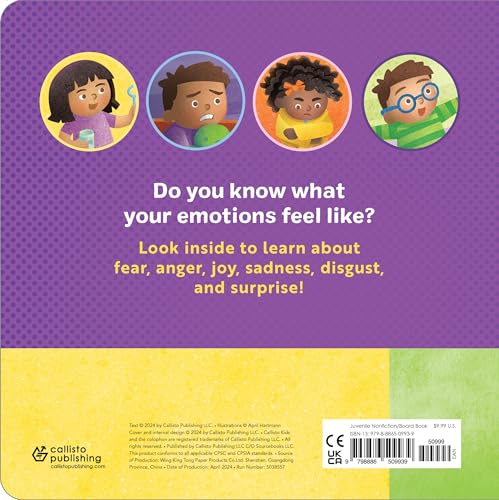
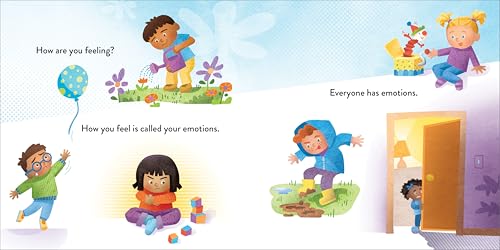
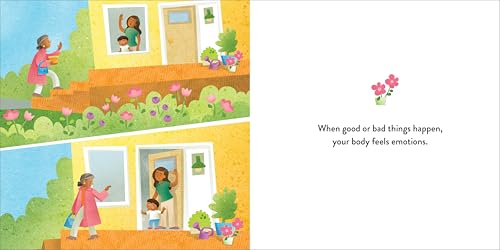
My First Book of Emotions for Toddlers
- Children's Books
- Growing Up & Facts of Life
- Friendship, Social Skills & School Life
My First Book of Emotions for Toddlers is one of the highest-rated starter tools for this, with clear, simple illustrations that even 12-month-olds respond to. Pair it with Roaring Mad Riley for older toddlers who are ready for a simple narrative around anger specifically.
Today's action: Introduce one new feeling word this week — pick "frustrated," "disappointed," or "proud." Use it yourself three times a day in real situations. Watch your toddler start borrowing it within days.
5. Setting Limits Without Fuelling the Fire
Boundaries are not the enemy of emotional safety — they are emotional safety. Toddlers need predictable limits to feel secure, but how you set them determines whether they escalate or de-escalate the situation.
The "Yes-Then" Reframe
Instead of: "No, you can't have a biscuit." Try: "Yes — after dinner, you can have a biscuit."
Same limit. Radically different emotional response. You're not lying or giving in; you're leading with what is possible rather than what isn't.
Limited Choices Restore Autonomy
Toddler behaviour is often driven by a fierce developmental drive for autonomy — what the AAP calls the hallmark of the 18-month to 3-year stage. Offering two acceptable choices ("Do you want the red cup or the blue cup?") hands back a sense of control without surrendering the actual limit.
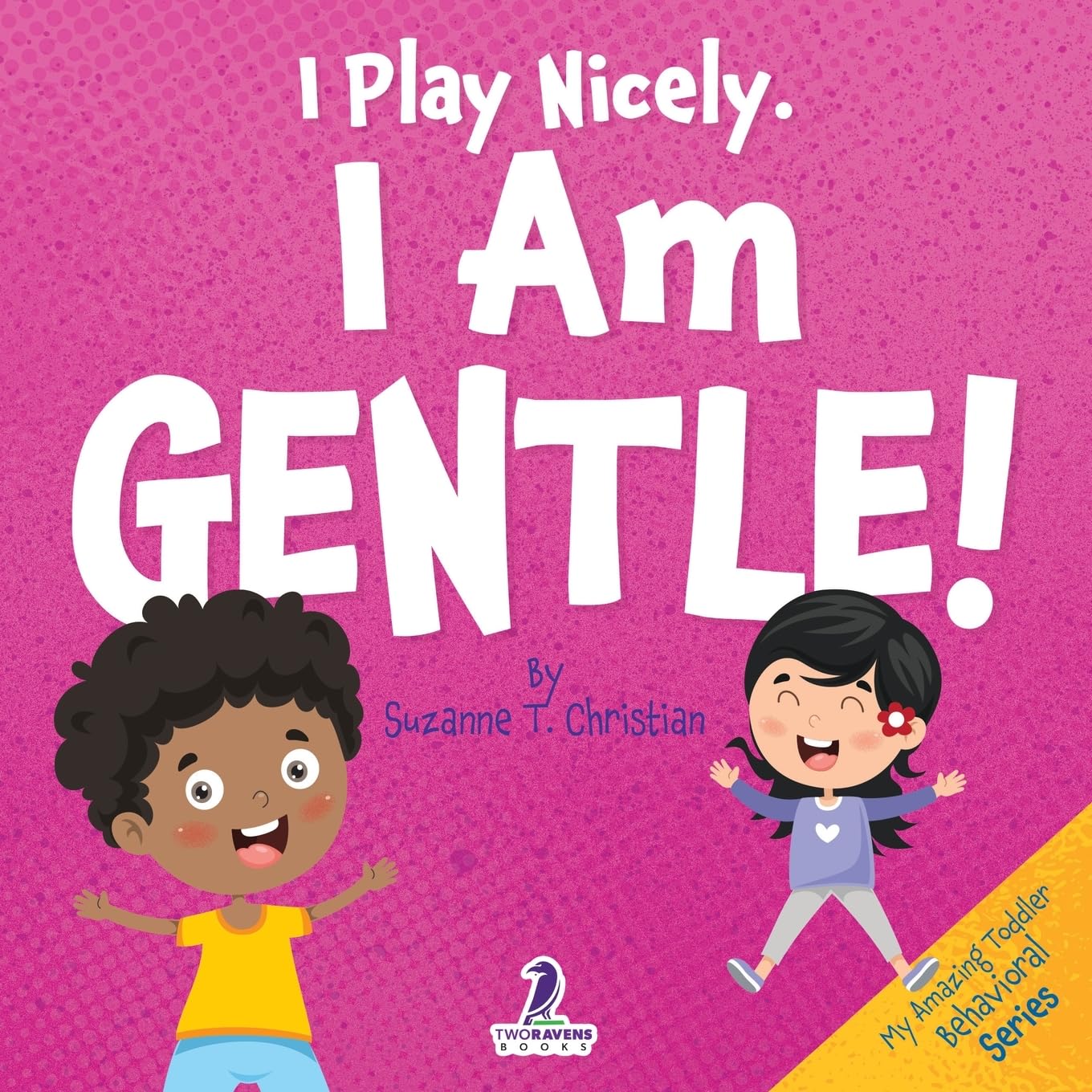
For toddlers who are working through hitting and physical aggression specifically, What to Do When You Feel Like Hitting uses simple, direct language that resonates even with 2-year-olds. And for building the gentleness habit proactively, I Play Nicely. I Am Gentle! is a wonderful affirmation-style read before bedtime.

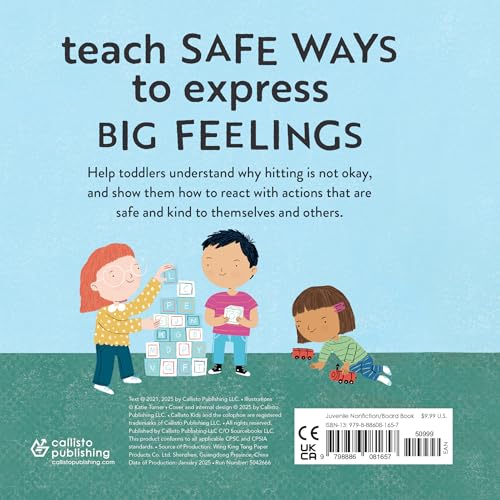
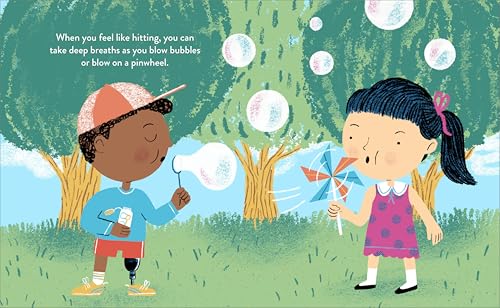
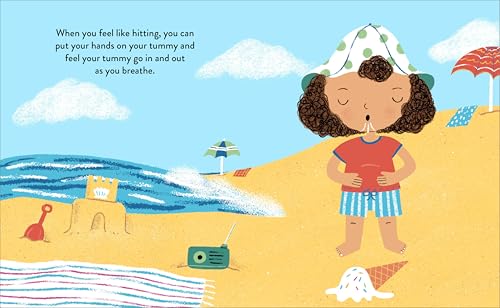
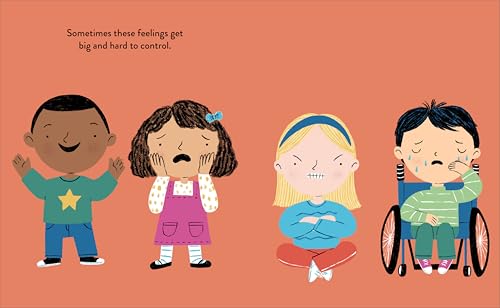
What to Do When You Feel Like Hitting: A No Hitting Book for Toddlers (Big Feelings Books for Toddlers)
- Children's Books
- Growing Up & Facts of Life
- Friendship, Social Skills & School Life
6. Routines, Environment, and Prevention
The most underused tantrum strategy is prevention — and it costs nothing.
Research from the AAP consistently shows that toddlers who have predictable daily routines have fewer behavioural incidents than those with inconsistent schedules. The reason is neurological: predictability reduces baseline anxiety, which means your toddler's amygdala starts the day less primed to fire.
The HALT Check (Before Every Outing or Transition)
Before you leave the house, ask: - H – Hungry? (Offer a snack) - A – Anxious? (Briefly preview what's happening: "We're going to the supermarket, then home for lunch") - L – Lonely? (Have they had enough connection with you today?) - T – Tired? (Check against their sleep window — overtired toddlers dysregulate faster)
Environment Tweaks That Reduce Friction
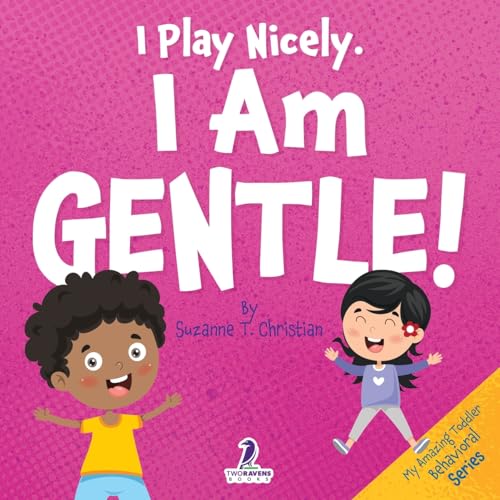
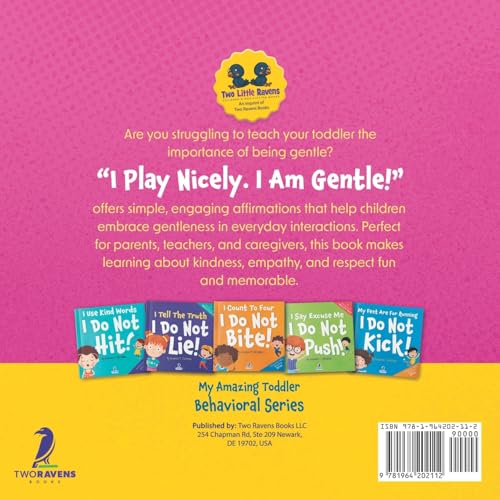
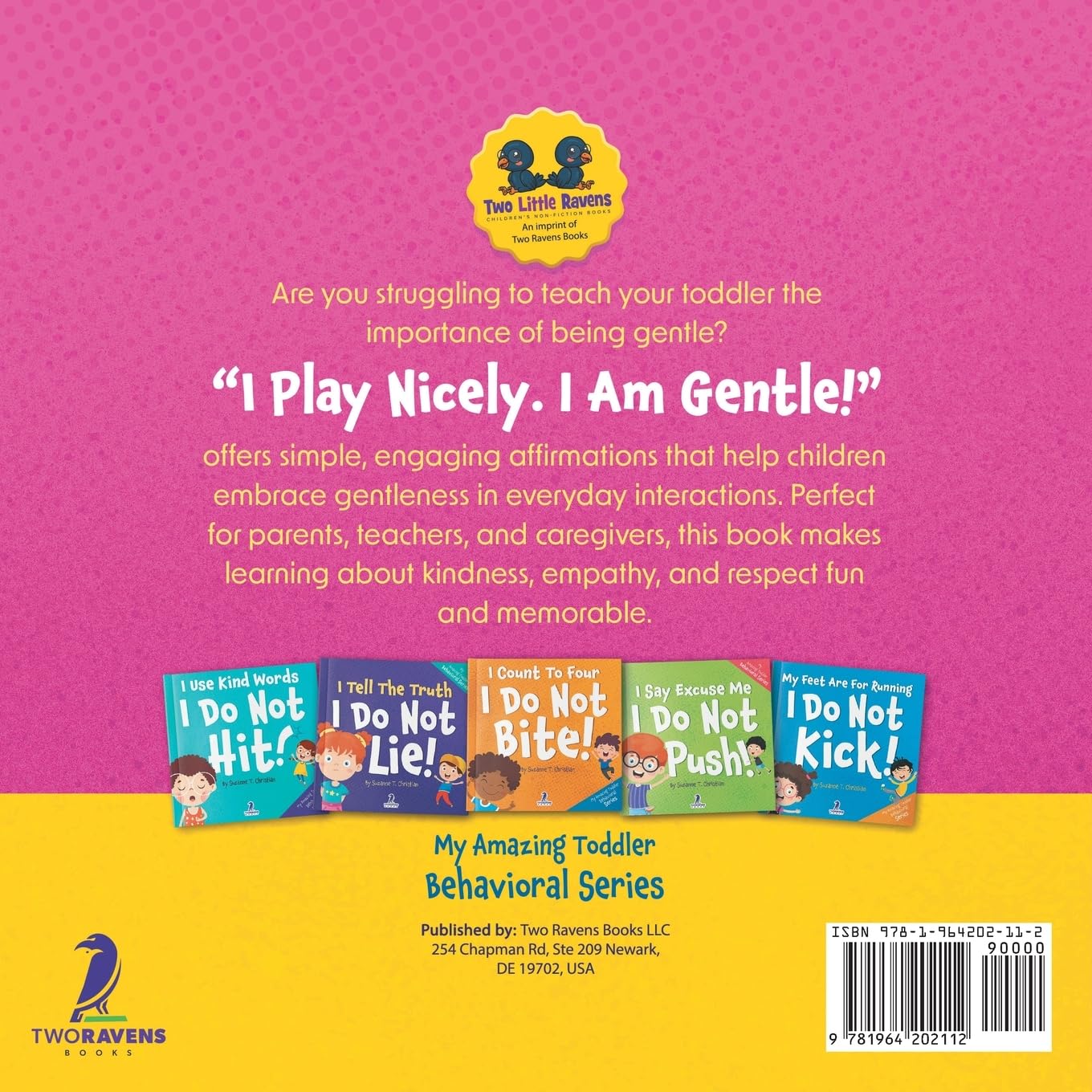
I Play Nicely. I Am Gentle!: An Affirmation-Themed Book For Toddlers About Being Gentle (Ages 2-4) (My Amazing Toddler Behavioral Series)
- Children's Books
- Growing Up & Facts of Life
- Friendship, Social Skills & School Life
I Play Nicely. I Am Gentle! works beautifully as part of a calming pre-nap or bedtime routine — repetition of its affirmations helps anchor gentle behaviour as part of your toddler's self-concept.
Today's action: Map out a simple visual schedule for your toddler's morning — just 4–5 pictures in sequence. Print it, laminate it, and let them "check off" each step. Most parents report fewer morning meltdowns within a week.
7. Emotion-Focused Books: A Comparison Guide
Books are one of the most evidence-supported tools for building emotional literacy in the 1–3 age range. Here's how the top options compare:
| Book | Best Age | Core Emotion Covered | Approach | Best For | Recommended Product |
|---|---|---|---|---|---|
| My First Book of Emotions | 12–36 months | All basic emotions | Visual identification, simple labelling | First emotional vocabulary building | My First Book of Emotions for Toddlers |
| Little Monkey Calms Down | 12–30 months | Anger / frustration | Narrative + calming strategies | Very young toddlers, pre-verbal stage | Little Monkey Calms Down |
| Harper Handles Big Feelings | 2–4 years | Anger, worry, frustration | Lesson-based story, multiple emotions | Older toddlers ready for nuanced feelings | Harper Handles Big Feelings |
| Roaring Mad Riley | 2–5 years | Anger management | Story-driven, child protagonist | Toddlers with intense anger responses | Roaring Mad Riley |
| What to Do When You Feel Like Hitting | 18 months–3 years | Aggression / impulse control | Direct, instructional | Toddlers in a hitting phase | What to Do When You Feel Like Hitting |
| I Play Nicely. I Am Gentle! | 2–4 years | Gentleness / self-control | Affirmation-based | Building positive behaviour identity | I Play Nicely. I Am Gentle! |
Expert Insights
You're Already Doing More Than You Think
Parenting a toddler through the emotional chaos of ages 1–3 is genuinely one of the hardest seasons of early parenthood — not because you're doing it wrong, but because the work is invisible. Every time you stay calm when you want to scream, every time you crouch down and say "I see you're upset," every time you name a feeling instead of dismissing it, you are literally building your child's brain.
The science is clear: the way you respond to your toddler's big emotions today shapes their emotional health for decades. That's not pressure — it's evidence that what you're doing matters profoundly.
Save this guide, share it with your co-parent or a friend in the thick of the toddler years, and come back to it on the hard days. You've got this — and so do they.
Sources & References
- American Academy of Pediatrics. "Temper Tantrums: A Normal Part of Development." HealthyChildren.org. 2022. https://www.healthychildren.org/English/ages-stages/toddler/Pages/Temper-Tantrums.aspx
- National Institute of Mental Health (NIMH). "The Teen Brain: 7 Things to Know." 2023. https://www.nimh.nih.gov/health/publications/the-teen-brain-7-things-to-know
- Harvard Center on the Developing Child. "Serve and Return Interaction Shapes Brain Circuitry." 2016. https://developingchild.harvard.edu/science/key-concepts/serve-and-return/
- Harvard Center on the Developing Child. "Building the Brain's 'Air Traffic Control' System: How Early Experiences Shape the Development of Executive Function." 2011. https://developingchild.harvard.edu/resources/building-the-brains-air-traffic-control-system/
- Lieberman, M.D. et al. "Putting Feelings Into Words: Affect Labeling Disrupts Amygdala Activity in Response to Affective Stimuli." Psychological Science. 2007. University of California, Los Angeles.
- Gottman, J., Katz, L., & Hooven, C. "Parental Meta-Emotion Philosophy and the Emotional Life of Families." Journal of Family Psychology. 1996.
- Yale Center for Emotional Intelligence. "Emotional Intelligence and Academic Performance." Yale University. https://ycei.org
- Shonkoff, J.P. & Phillips, D.A. (Eds.). From Neurons to Neighborhoods: The Science of Early Childhood Development. National Academy Press. 2000.
- Siegel, D.J. & Bryson, T.P. The Whole-Brain Child. Delacorte Press. 2011.
- American Academy of Pediatrics. Bright Futures: Guidelines for Health Supervision of Infants, Children, and Adolescents. 4th Edition. 2017.
Frequently Asked Questions
Why does my toddler have more tantrums with me than with their grandparents or childcare provider?
Is it okay to ignore a tantrum?
My toddler hits me during tantrums. What should I do?
At what age should tantrums stop?
Should I talk to my toddler about their behaviour during the tantrum?
How do I stay calm when I'm at my limit?
Can books really help with toddler emotions?
Was this helpful?
Thanks — your feedback helps us pick what to write next.