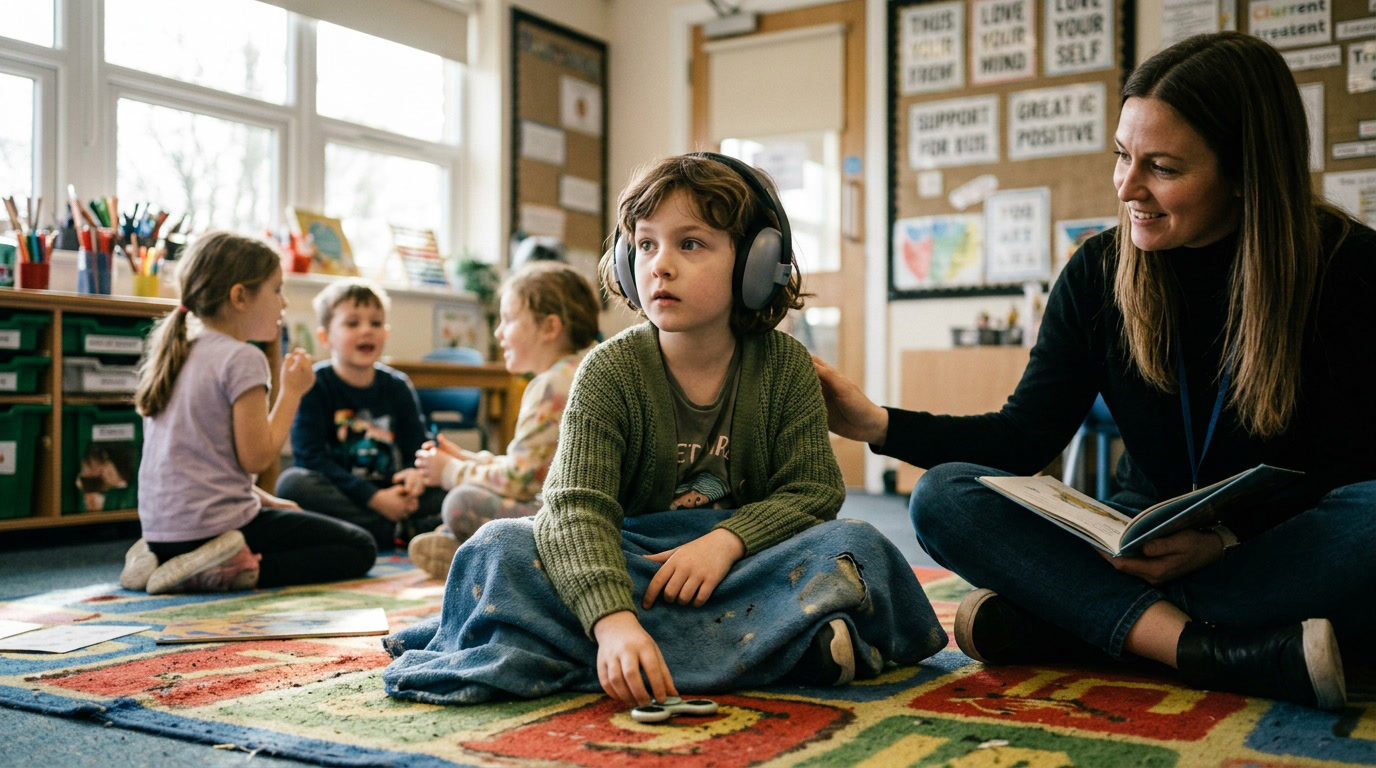
The "Invisible" Presentation: Autism in Girls and Assigned-Female-at-Birth Children
Autism is a single spectrum, but four presentation types are frequently missed or mislabelled in children — understanding them helps you seek the right support sooner.

In this article
Picture this: your five-year-old has been in speech therapy for two years, her teacher calls her "quirky but bright," and every paediatrician visit ends with "let's just watch and wait." Meanwhile, you lie awake wondering why something still feels off. You are not imagining it.
According to the U.S. Centers for Disease Control and Prevention (CDC), 1 in 36 children in the United States is now identified with Autism Spectrum Disorder (ASD) — a figure that has risen steadily for two decades. Yet researchers and clinicians consistently flag that certain groups of children are diagnosed years later than their peers, or missed entirely, because their autism doesn't look like the textbook picture most people carry in their heads.
This article will help you understand:
1. The "Invisible" Presentation: Autism in Girls and Assigned-Female-at-Birth Children
Girls with autism are diagnosed, on average, 1.5 to 2 years later than boys, according to research published in the journal Autism (Loomes, Hull & Mandy, 2017). The reason is deceptively simple: the diagnostic criteria were built largely on studies of male children, so the way autism shows up in girls is still widely under-recognised.
What It Looks Like
Girls on the spectrum are far more likely to engage in a behaviour researchers call "masking" or "camouflaging" — consciously or unconsciously mimicking the social behaviour of peers to fit in. Your daughter may seem to have friends, hold eye contact, and chat about her favourite show, while internally exhausted by the effort of performing "normal."
Key signs that are easy to overlook include:
Girls with autism are more likely to be diagnosed with anxiety or depression first, while the underlying autism goes unrecognised for years.
— Meng-Chuan Lai, researcher, CAMH & University of Toronto (2015)
If you're building your knowledge base, A Parent's Guide to High-Functioning Autism Spectrum Disorder is an excellent starting point — it addresses the nuanced presentations that often apply to girls and is backed by nearly 1,000 parent reviews.


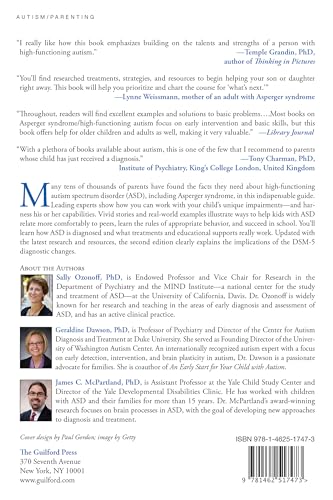


A Parent's Guide to High-Functioning Autism Spectrum Disorder: How to Meet the Challenges and Help Your Child Thrive
- Health, Fitness & Dieting
- Children & Adolescent's Health
- Autism Spectrum
2. The "Twice-Exceptional" Presentation: Autism + High Intellectual Ability
Twice-exceptional (2e) children are those who are both intellectually gifted and have a neurodevelopmental difference such as autism. This group is among the most chronically under-served in paediatric care — their giftedness masks their challenges, and their challenges mask their giftedness.
Why Clinicians Miss It
A child who reads at age three, argues philosophy at age six, and can recite train timetables from memory does not fit the image most parents — or even many GPs — associate with autism. Professionals may attribute social difficulties to "arrogance" or "being a perfectionist," while the child's advanced vocabulary disguises significant gaps in pragmatic (social) language.
Signs that a 2e child may be autistic:
The American Academy of Pediatrics (AAP) recommends that developmental-behavioural paediatricians consider autism screening even when intellectual ability is high, particularly when social-emotional development is lagging behind cognitive skills.
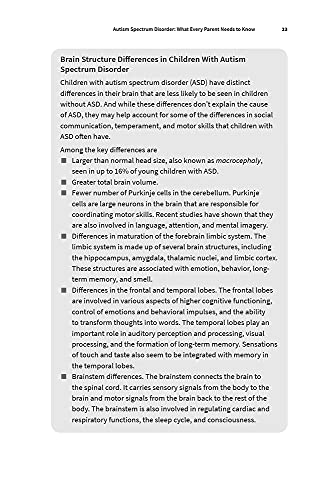
For families navigating this complex intersection, Autism Spectrum Disorder: What Every Parent Needs to Know offers a medically grounded overview that covers the full range of the spectrum, including high-cognitive presentations.
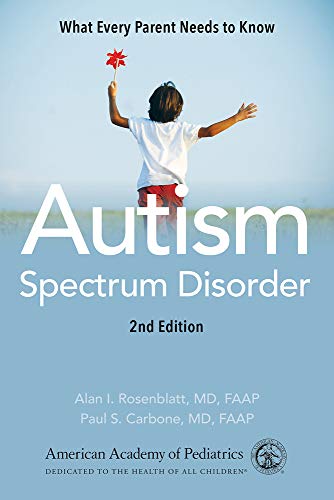

Autism Spectrum Disorder: What Every Parent Needs to Know
- Medical Books
- Internal Medicine
- Pediatrics
3. The "Late-Talker Who Caught Up" Presentation: Autism Without Early Language Delay
Here is the one that surprises parents most: you can be autistic and have had no meaningful speech delay at all. In fact, what used to be called Asperger's syndrome — now folded into the ASD umbrella by the DSM-5 in 2013 — was specifically characterised by typical or even advanced early language development alongside significant social and sensory differences.
The Diagnostic Blind Spot
Many parents — and some clinicians — still operate on the old checklist: "If my child is talking, they're probably not autistic." This means children who spoke in full sentences at 18 months, who are verbally precocious, and who seem to want friendships (even if those friendships keep going wrong) are routinely passed over.
What to watch for instead:
The absence of language delay should never be used as a reason to rule out autism. Social communication is a separate domain from vocabulary and grammar.
— American Academy of Pediatrics, Autism Spectrum Disorder Clinical Practice Guideline (2020)
Uniquely Human: A Different Way of Seeing Autism by Dr. Barry Prizant is one of the most celebrated books on understanding the full range of autistic experience — it's particularly valuable for families whose child doesn't fit the "classic" mould.


Uniquely Human: Updated and Expanded: A Different Way of Seeing Autism
- Medical Books
- Internal Medicine
- Pediatrics
4. The "Bouncing Off the Walls" Presentation: Autism Masked by Co-Occurring ADHD
Attention-Deficit/Hyperactivity Disorder (ADHD) and autism co-occur in approximately 50–70% of autistic individuals, according to research reviewed by the Journal of Child Psychology and Psychiatry (Leitner, 2014). When a child presents with hyperactivity, impulsivity, and inattention, ADHD almost always gets diagnosed first — and autism is either missed entirely or identified years later.
Why ADHD Takes the Spotlight
ADHD is more familiar to most paediatricians, teachers, and parents. It's easier to spot a child who can't sit still than one who is sitting still but internally scripting every conversation. When a child has both conditions, the ADHD symptoms are louder and more disruptive — they fill the room. The autism symptoms, particularly the social communication differences and sensory sensitivities, get attributed to "the ADHD."
Red flags that suggest autism may be co-occurring with ADHD:
The Royal College of Paediatrics and Child Health (RCPCH) in the UK recommends that clinicians assess for autism in any child presenting with ADHD where social communication difficulties are also present.
Positive Parenting for Autism is a highly practical resource (over 1,200 reviews, rated 4.6★) that addresses the behavioural strategies that work specifically for autistic children — including those with the kind of big, dysregulated behaviour that often gets labelled as "just ADHD."


Positive Parenting for Autism: Powerful Strategies to Help Your Child Overcome Challenges and Thrive
- Medical Books
- Internal Medicine
- Pediatrics
5. Why These Presentations Stay Hidden: The Systemic Gaps in Diagnosis
Understanding why these four presentations are overlooked is just as important as knowing what they look like — because it helps you navigate the system more effectively.
The Diagnostic Criteria Were Built on a Narrow Sample
The earliest autism research focused almost exclusively on white, male children with significant intellectual disabilities and no functional speech. The diagnostic criteria that emerged from that research — and that still form the backbone of the DSM-5 — reflect that narrow sample. Girls, gifted children, verbally fluent children, and children with ADHD simply weren't in the room when the rulebook was written.
Masking Fools Everyone — Including the Child
Masking is metabolically and psychologically costly. Research from University College London found that autistic people who mask heavily have significantly higher rates of burnout, anxiety, depression, and suicidal ideation. Children who mask successfully at school often hold it together until they reach home — and then fall apart. Parents are left wondering why their child is "fine at school" but "a nightmare at home."
"Wait and See" Costs Real Time
The AAP recommends autism-specific screening at 18 and 24 months, with developmental surveillance at every well-child visit. Yet the average age of diagnosis in the US remains around 4–5 years for children with obvious signs, and significantly older for the subtler presentations described in this article. Every year of delay is a year without targeted support.
For a family-friendly, comprehensive overview of the spectrum that you can share with grandparents, teachers, and anyone else who needs to understand, Autism Spectrum Disorders: What Every Parent Needs to Know is a thorough, trusted resource.

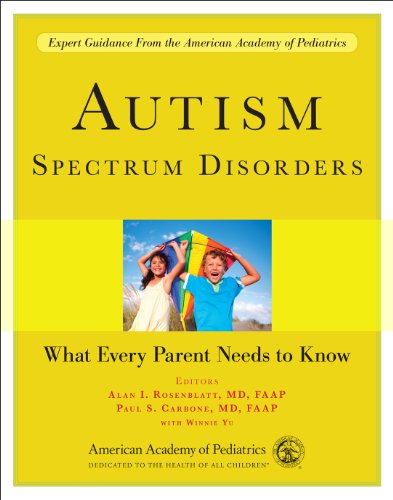
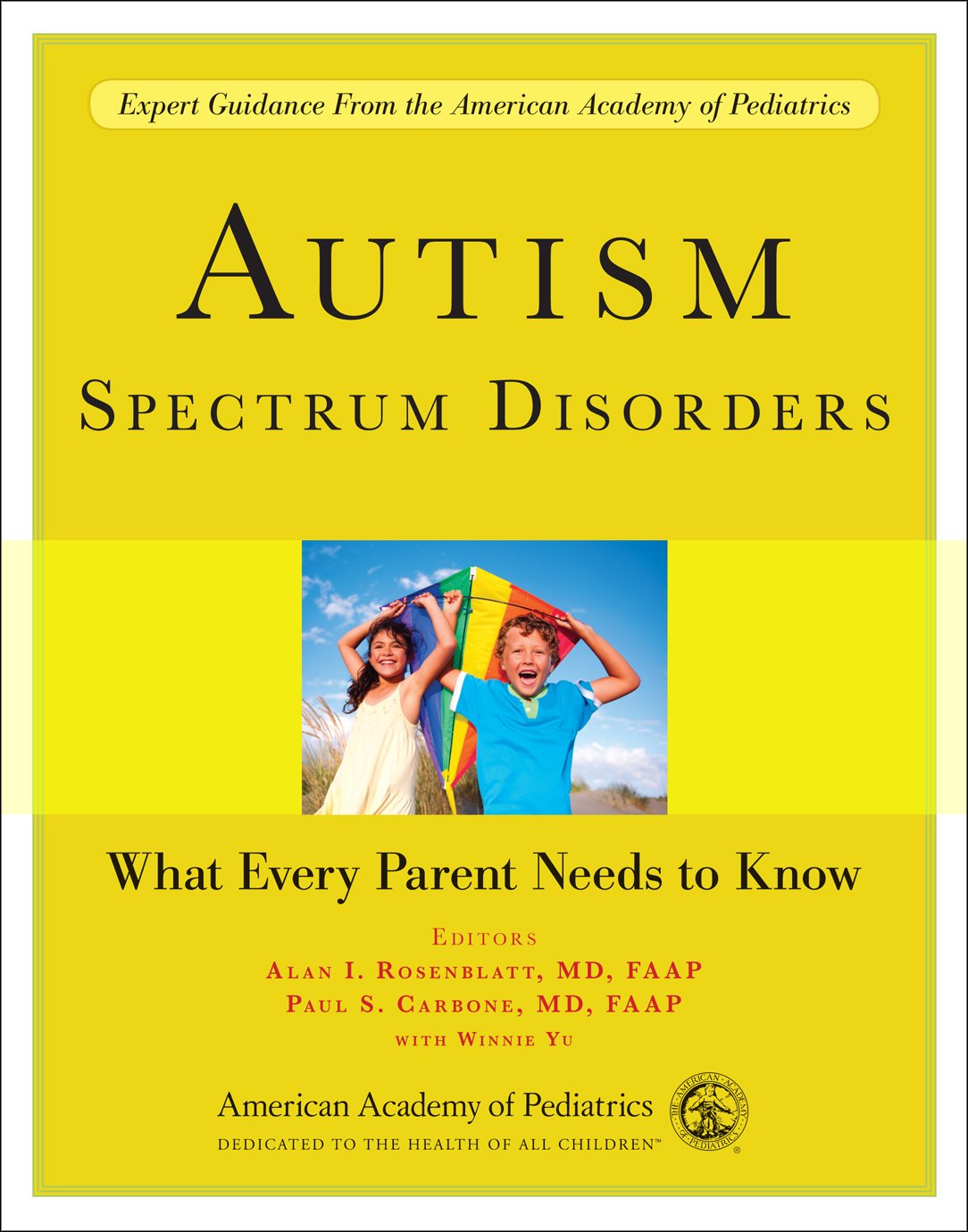
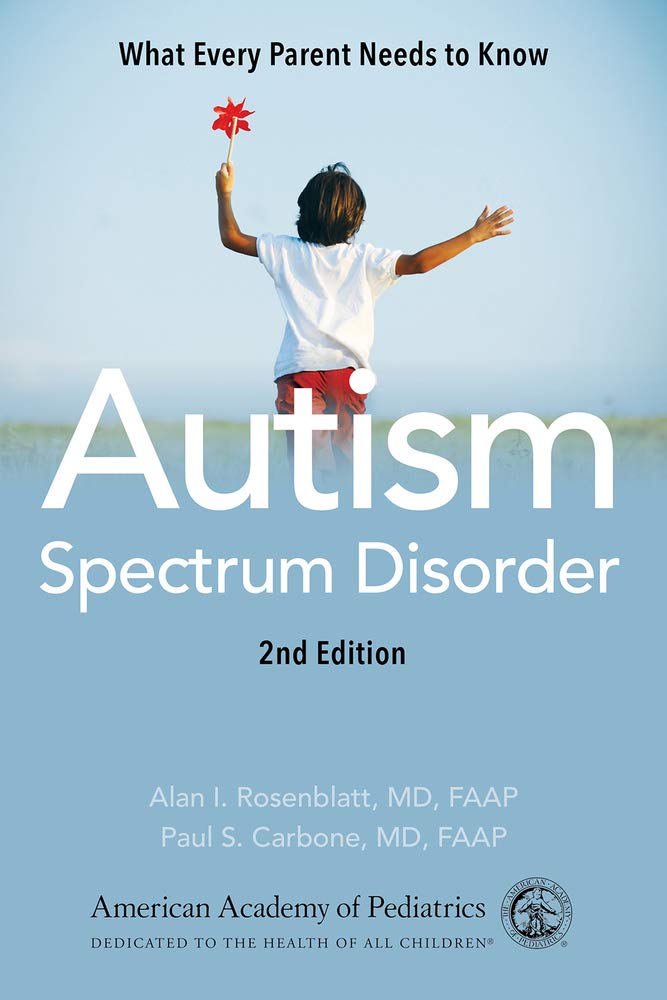
Autism Spectrum Disorders: What Every Parent Needs to Know
- Parenting & Relationships
- Disabilities & Hyperactivity
- Disabilities
6. What to Do Right Now: Practical Steps Toward Identification and Support
Knowing the signs is step one. Knowing what to do with that knowledge is where the real work begins — and it doesn't have to feel overwhelming.
Step 1: Document Everything
Start a simple notebook or phone note. Record:
Concrete examples are far more useful to a clinician than general descriptions. "She had three meltdowns this week at homework time" is more actionable than "she gets really upset sometimes."
Step 2: Request the Right Assessments
A full autism assessment typically involves: - A developmental history interview with parents - Standardised observational tools (such as the ADOS-2) - Cognitive and language testing - Sensory and adaptive behaviour assessments - Input from school or nursery
Ask specifically for a multidisciplinary assessment — a team that includes a psychologist, speech-language pathologist, and occupational therapist gives you the most complete picture.
Step 3: Build Your Knowledge Base
The more you understand, the better you can advocate. The Survival Guide for Kids with Autism Spectrum Disorder is a wonderful resource to read alongside your child once you have a diagnosis — it's written accessibly for children aged 8–12 and their parents, and helps the whole family make sense of the journey together.
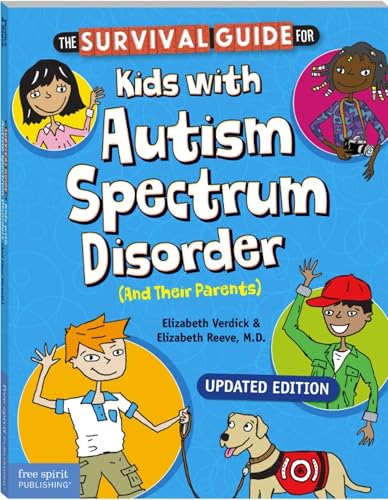
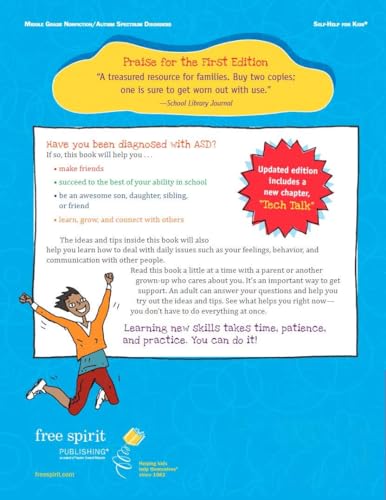
The Survival Guide for Kids with Autism Spectrum Disorder (And Their Parents)
- Parenting & Relationships
- Disabilities & Hyperactivity
- Disabilities
Step 4: Connect With Your Community
Parent advocacy groups, local autism societies, and online communities of autistic adults (who can offer invaluable insight into what your child may be experiencing) are all part of building a support network. You don't have to figure this out alone.
Comparison Table: The 4 Overlooked Autism Types at a Glance
| Presentation Type | Who Is Most Affected | Key Signs Often Missed | Common Misdiagnosis | Recommended Resource | Approx. Price |
|---|---|---|---|---|---|
| Autism in Girls / AFAB Children | Girls aged 4–12 | Masking, social mimicry, home-only meltdowns | Anxiety disorder, OCD | A Parent's Guide to High-Functioning ASD | $17.26 |
| Twice-Exceptional (2e) | Gifted children of any gender | Giftedness hides social gaps; perfectionism | Gifted, ODD, anxiety | Autism Spectrum Disorder: What Every Parent Needs to Know | $14.49 |
| No Early Language Delay | Verbally fluent children | Pragmatic language gaps, one-sided talk | Introversion, social anxiety | Uniquely Human: A Different Way of Seeing Autism | $12.07 |
| Autism + Co-occurring ADHD | Children already diagnosed with ADHD | Sensory sensitivities, rigid thinking, stimming | ADHD only | Positive Parenting for Autism | $8.18 |
Expert Insights
Frequently Asked Questions
Conclusion
Every child on the spectrum deserves to be seen — not just the ones who fit the old textbook image. If you've been carrying a quiet worry that something is being missed, this article is validation that your instincts are worth pursuing. The four presentations described here — autism in girls, twice-exceptional children, verbally fluent children, and those with co-occurring ADHD — are not rare edge cases. They are sitting in classrooms and paediatric waiting rooms right now, waiting for someone to connect the dots.
The most powerful thing you can do is stay curious, stay persistent, and keep asking questions. As one of the most enduring insights in autism research reminds us: when you've met one autistic child, you've met one autistic child. Your child's profile is unique — and it deserves to be understood on its own terms.
If this article helped you see something new, save it, share it with another parent, or pass it to your child's teacher. Knowledge is the first step toward the support every child deserves.
Sources & References
- Centers for Disease Control and Prevention (CDC). "Autism Spectrum Disorder: Data and Statistics." 2023. https://www.cdc.gov/ncbddd/autism/data.html
- Loomes, R., Hull, L., & Mandy, W. "What Is the Male-to-Female Ratio in Autism Spectrum Disorder? A Systematic Review and Meta-Analysis." Journal of Child Psychology and Psychiatry. 2017. https://doi.org/10.1111/jcpp.12transmission
- Lai, M-C., et al. "Quantifying and exploring camouflaging in men and women with autism." Autism. 2017. https://doi.org/10.1177/1362361316671012
- Leitner, Y. "The Co-Occurrence of Autism and Attention Deficit Hyperactivity Disorder in Children — What Do We Know?" Frontiers in Human Neuroscience. 2014. https://doi.org/10.3389/fnhum.2014.00268
- American Academy of Pediatrics (AAP). "Identification, Evaluation, and Management of Children With Autism Spectrum Disorder." Pediatrics. 2020. https://doi.org/10.1542/peds.2019-3447
- Mandy, W., et al. "Sex differences in autism spectrum disorder: evidence from a large sample of children and adolescents." Journal of Autism and Developmental Disorders. 2012. https://doi.org/10.1007/s10803-011-1356-0
- Hull, L., et al. "Putting on My Best Normal: Social Camouflaging in Adults with Autism Spectrum Conditions." Journal of Autism and Developmental Disorders. 2017. University College London.
- Royal College of Paediatrics and Child Health (RCPCH). "Autism Spectrum Disorder: Guidance for Clinicians." UK. https://www.rcpch.ac.uk
- Prizant, B. "Uniquely Human: A Different Way of Seeing Autism." Simon & Schuster. 2015.
- DSM-5. American Psychiatric Association. "Diagnostic and Statistical Manual of Mental Disorders, Fifth Edition." 2013.
Frequently Asked Questions
Can a child be autistic if they make good eye contact?
My son was assessed at age 3 and they said he wasn't autistic. Can that change?
What is masking and should I be worried about it?
Is autism in girls different from autism in boys?
How do I tell the difference between ADHD and autism?
At what age can autism be reliably diagnosed?
What should I do if my GP dismisses my concerns?
Was this helpful?
Thanks — your feedback helps us pick what to write next.