Tiny Minds World

Browse by age

Early School-Age

Reading fluency, friendships, and first screen-time decisions.

25 articles

Physical Development: From Wobbly to Wonderfully Coordinated
Early School-Age May 16

Physical Development: From Wobbly to Wonderfully Coordinated

Between ages 5 and 8, children undergo a remarkable burst of cognitive, physical, social, and emotional growth — understanding what's typical helps you support your child and spot concerns early.

18 min read

Routine Health Checks: The Milestones You Can't Afford to Miss
Early School-Age May 16

Routine Health Checks: The Milestones You Can't Afford to Miss

Children aged 5–8 face a distinct set of health and safety risks as they gain independence at school and in the community — knowing the evidence-based priorities helps you protect them without overprotecting them.

19 min read

How Much Should a 5–8 Year Old Actually Eat?
Early School-Age May 16

How Much Should a 5–8 Year Old Actually Eat?

Children aged 5–8 need balanced, nutrient-dense meals built around whole grains, lean protein, colourful produce, and dairy — packed consistently and without power struggles — to fuel the rapid cognitive and physical growth happening right now.

19 min read

How Much Sleep Do 5–8 Year-Olds Actually Need?
Early School-Age May 16

How Much Sleep Do 5–8 Year-Olds Actually Need?

Children aged 5–8 need 9–11 hours of sleep per night, and a consistent, dark, cool bedroom environment is the single most effective tool parents have to protect that sleep.

19 min read

What Sharenting Really Means (and How It's Changed)
Early School-Age May 15

What Sharenting Really Means (and How It's Changed)

Sharenting — posting photos and details about your child online — carries real privacy, safety, and psychological risks that parents of 5–8 year-olds are uniquely positioned to address before their child develops a strong sense of digital identity.

19 min read

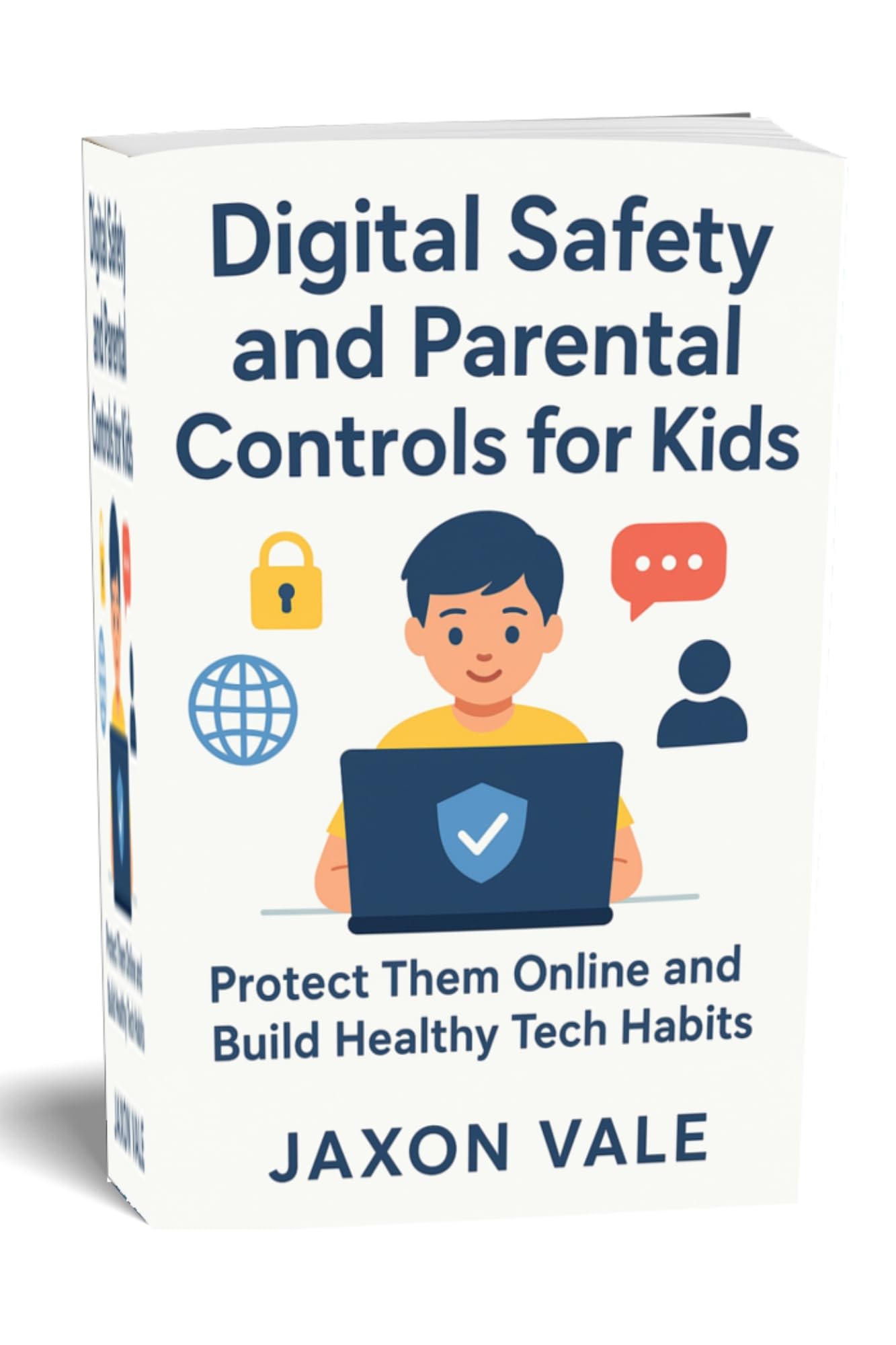
Why Screen Time Is a Behaviour-and-Emotions Problem, Not Just a Time Problem
Early School-Age May 15

Why Screen Time Is a Behaviour-and-Emotions Problem, Not Just a Time Problem

Screen time tokens give 5–8 year olds a tangible, self-directed way to manage their own digital time — reducing power struggles while building real emotional regulation and planning skills.

19 min read

Cognitive Development: Building the Thinking Brain
Early School-Age May 15

Cognitive Development: Building the Thinking Brain

The ages 5–8 are a critical window for building reading, numeracy, social, and emotional foundations — and what happens at home is just as important as what happens in the classroom.

19 min read

Why Coding Toys Matter More Than You Think (And What the Research Actually Says)
Early School-Age May 15

Why Coding Toys Matter More Than You Think (And What the Research Actually Says)

The best coding toys for kids match developmental stage to coding concept — screen-free robots like Botley work brilliantly from age 5, building sequencing and logic skills that research links to stronger maths and literacy outcomes.

22 min read

Why the Right Gear Matters More Than You Think for Early School-Agers
Early School-Age Feb 28

Why the Right Gear Matters More Than You Think for Early School-Agers

The most important first-day-of-school essentials for 5–8 year olds in 2026 go beyond pencils — the right supply kit, organisational tools, and a few comfort-boosting items can meaningfully reduce first-day anxiety and set your child up for a confident school year.

21 min read

What "Gender Fluidity" Actually Means — and Why It Matters at Ages 5–8
Early School-Age Nov 11

What "Gender Fluidity" Actually Means — and Why It Matters at Ages 5–8

Children aged 5–8 are actively forming their gender identity, and a warm, open, fact-grounded approach at home gives them the security to explore who they are — whether or not they ultimately identify outside traditional norms.

19 min read

The Disrupted Foundation: Why This Cohort Is Different
Early School-Age Jul 18

The Disrupted Foundation: Why This Cohort Is Different

Pandemic-era children aged 5–8 face real but surmountable gaps in social skills, literacy, and emotional regulation — and parents who understand the specific challenges can take targeted action right now.

21 min read

What Working Memory Is — and Why It's Your Child's Math Engine
Early School-Age Jun 2

What Working Memory Is — and Why It's Your Child's Math Engine

Strengthening working memory and logical reasoning between ages 5–8 gives children the cognitive scaffolding they need to tackle math confidently — and you can build both skills through targeted games and everyday habits.

21 min read