Why White Noise Works: The Science Behind the Shush
White noise machines are a safe, evidence-backed tool for helping infants aged 3–12 months fall asleep faster and stay asleep longer — as long as you follow volume and placement guidelines.
In this article
It's 3 AM. Your four-month-old has been asleep for exactly 22 minutes — and now she's awake again. You've fed her, changed her, checked the room temperature, and still, those wide eyes stare up at you in the dark. If this sounds familiar, you're not alone. According to the American Academy of Sleep Medicine, up to 65% of infants experience significant night-waking between three and six months of age. The good news? One of the simplest, most affordable interventions is already sitting in many parents' Amazon carts: a white noise machine.
In this guide, you'll discover:
1. Why White Noise Works: The Science Behind the Shush
White noise helps infants sleep because it closely replicates the acoustic environment of the womb — and your baby spent nine months in there.
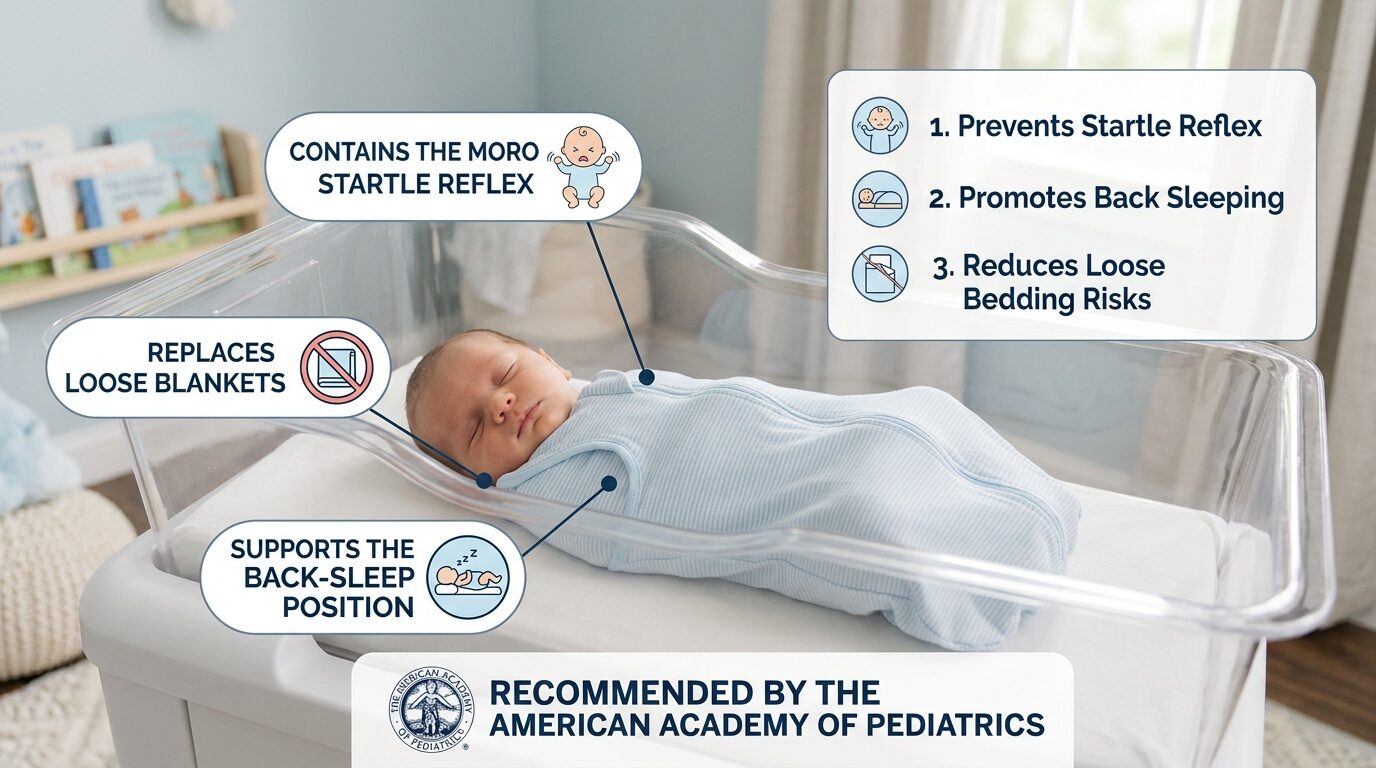
Inside the uterus, the ambient sound level from blood flow, digestive activity, and muffled external noise sits at roughly 70–90 dB — about as loud as a vacuum cleaner running in the next room. When your baby arrives in the relative quiet of a modern nursery, the silence itself can be startling. White noise fills that acoustic gap, masking sudden environmental sounds (a dog barking, a door closing, a sibling's TV) that would otherwise trigger a startle reflex and wake your baby.
White, Pink, or Brown Noise — Does the Type Matter?
- White noise contains all sound frequencies at equal intensity — think TV static or a fan. - Pink noise emphasises lower frequencies, producing a softer, more natural sound like steady rainfall. - Brown noise is even deeper and richer — closer to a strong shower or distant thunder.
For infants specifically, research suggests that lower-frequency sounds (pink and brown) may be perceived as more soothing because they more closely resemble the low-frequency hum of the intrauterine environment. That said, every baby is different — some respond instantly to classic white noise, others prefer the rumble of brown noise. The Magicteam Sound Machine covers all three noise types plus fan sounds and nature sounds, making it an easy starting point for finding what works for your baby.
2. AAP Safety Guidelines: Volume, Distance, and Duration
White noise is safe for infants when used correctly — but two well-documented risks exist: noise-induced hearing damage and potential interference with auditory development if used at excessive volumes.
A landmark 2014 study published in Pediatrics (the journal of the American Academy of Pediatrics) tested 14 infant white noise machines and found that all 14 exceeded 50 dB at 30 cm — the distance at which many parents place them — and three exceeded 85 dB, the threshold at which prolonged exposure can damage hearing. The AAP subsequently issued clear guidance:
Infant sleep machines should be placed as far away from the infant as possible… and used at low volume.
— American Academy of Pediatrics (2014)
The Three Rules to Follow Tonight
1. Volume: Keep it at or below 50 dB. If you can hold a normal conversation over the machine without raising your voice, you're in a safe range. Most machines with 32 volume levels (like the Magicteam) should be set no higher than 30–40% of maximum output. 2. Distance: Place the machine at least 7 feet (200 cm) from your baby's crib — on a dresser across the room is ideal, never clipped to the cot rail or placed inside the crib. 3. Duration: All-night use is generally considered acceptable by sleep specialists, but if your baby sleeps well with a timer, a 60–90 minute setting covering the sleep-onset window is sufficient.

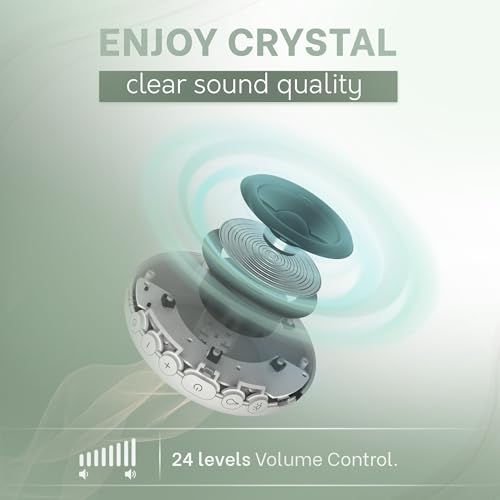
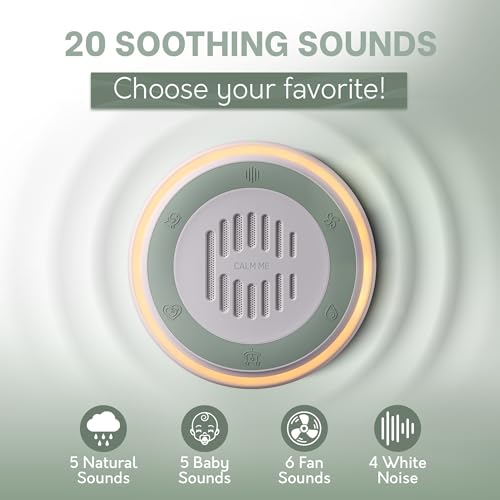
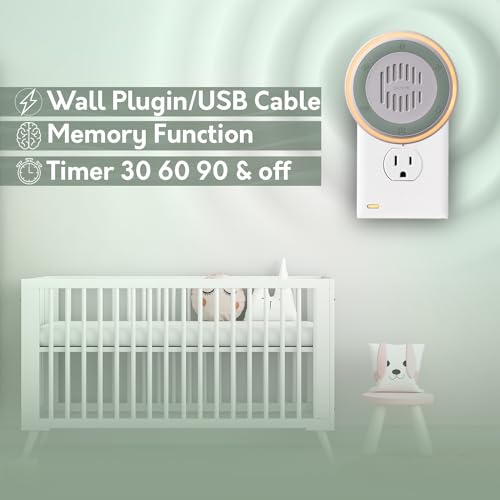
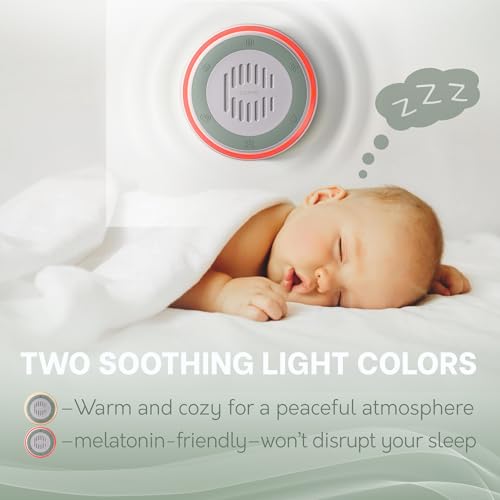
Wall Plug in White Noise Sound Machine for Office Privacy & Noise Canceling, White Noise Machine for Sleeping Adults & Baby, Therapy Noise Blocker with 20 Soothing Sounds & Nightlight by Calm Me.
- ✨ SUPERIOR SOUND QUALITY – The plug-in white noise sound machine delivers crystal-clear sound, blocking distra
- ✨ 20 NON-LOOPING SOUNDS FOR ANY ENVIRONMENT - Enjoy a wide range of 20 relaxing, non-looping sounds including
- ✨ PLUG-IN DESIGN WITH OPTIONAL WIRE EXTENSION - This elegant Italian-designed white noise machine plugs direct
3. Choosing the Right Machine: Features That Actually Matter
The feature that matters most is consistent, non-looping sound — everything else is secondary.
Walk into any baby store and you'll find machines with Bluetooth, app control, nightlights, lullabies, star projectors, and subscription services. Some of these genuinely help; others are marketing fluff. Here's how to cut through the noise (pun intended).
Must-Have Features
Nice-to-Have Features
Skip These
- Subscription-gated sounds — Basic white, pink, and brown noise should never require a monthly fee. - Extremely loud maximum volumes — Some machines marketed as "powerful" can exceed 85 dB. Loud maximum output is not a selling point for infant use.
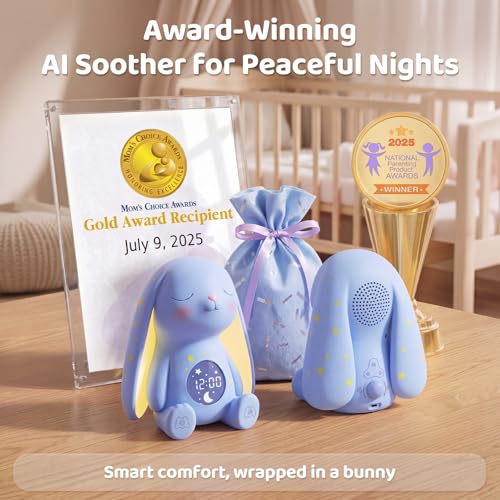
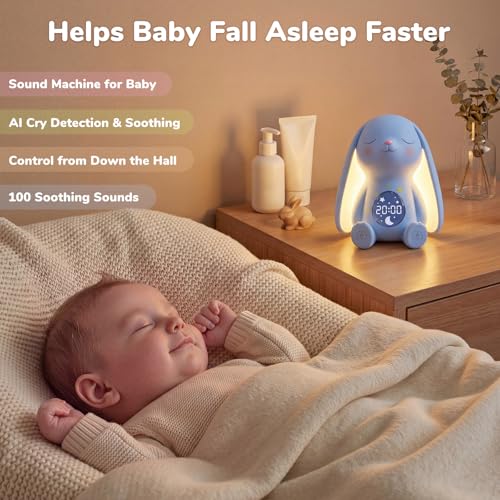
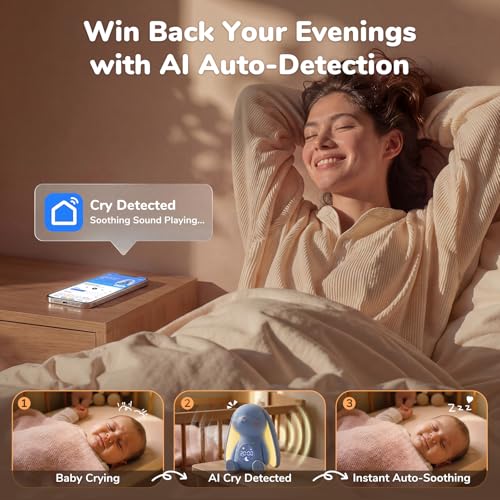
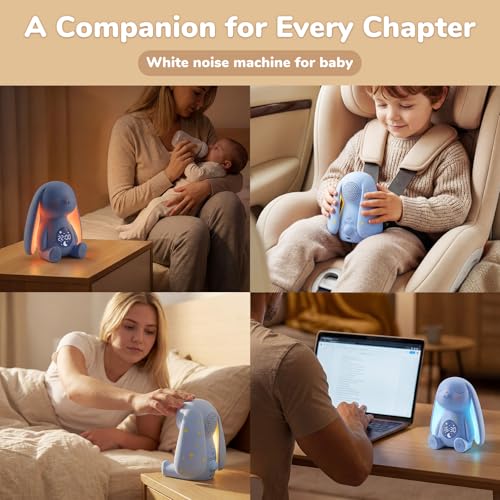
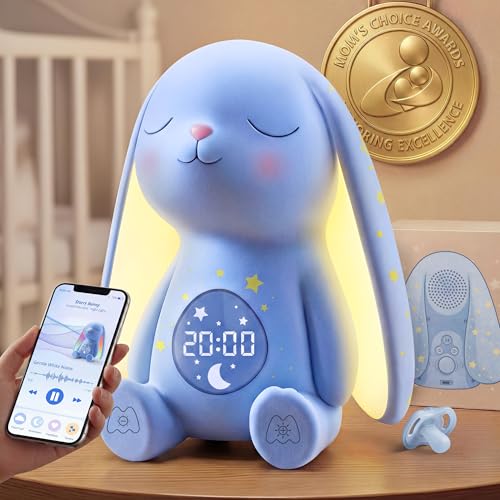
Mom's Choice Awards丨Bunny White Noise Sound Machine Baby for Sleep- AI Cry Detection, 100 Soothing Sounds, Full APP Access Included, Newborn Baby Boy Gifts, Night Light & Sleep Trainer, New Mom Gift
- Mom's Choice Award Winner: MeWaii's baby sound machine adapts to your child’s growth with age-specific sound p
- AI Cry Detection & Instant Notification: Smarter than a standard white noise machine, the MeWaii Bunny automat
- New Parent Gifts They'll Use: A thoughtful baby gifts for boys that parents can use from day one. With soothin
4. Best White Noise Machines for Infants in 2025: By Budget and Use Case
The right machine depends on your nursery setup, travel habits, and how hands-on you want to be — not on spending the most money.
| Use Case | Best Sound Type | Key Feature Needed | Main Drawback | Recommended Product | Price Range |
|---|---|---|---|---|---|
| Nursery, all-night use | White / Brown / Pink | Non-looping, volume control | Needs power outlet nearby | Magicteam Sound Machine | $20–25 |
| Tech-savvy parent, routine building | White noise + lullabies | App control, nightlight, schedules | Higher cost, subscription for extras | Hatch Baby Sound Machine | $75–85 |
| Shared bedroom / office privacy | White / Fan sounds | Wall-plug design, clean look | Fixed placement | Calm Me Wall Plug Machine | $35–45 |
| Travel, stroller, on-the-go | White / Pink / Nature | Ultra-compact, battery/USB | Small speaker limits volume | SMILEBOP Mini Sound Machine | $8–12 |
| New parents wanting smart features | AI-adaptive sounds | Cry detection, app alerts, nightlight | Premium price | Mewaii Bunny Sound Machine | $55–65 |
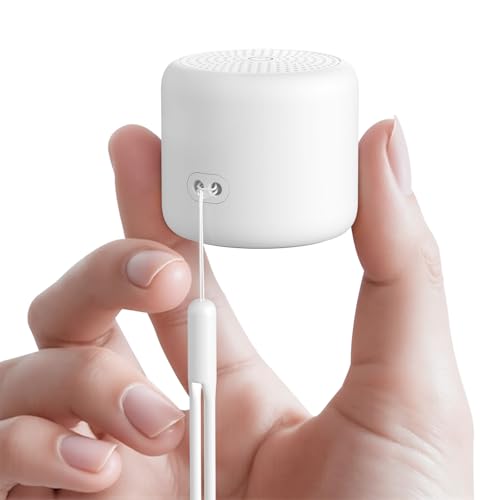
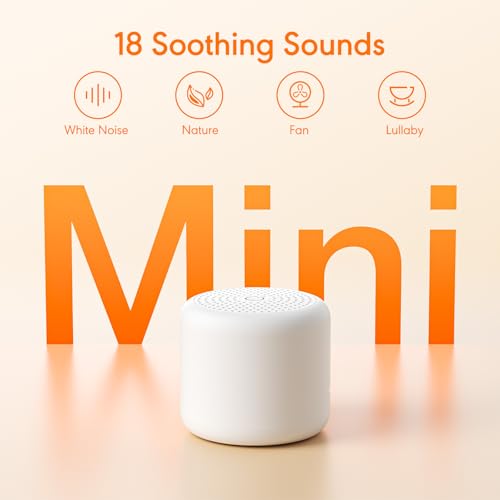
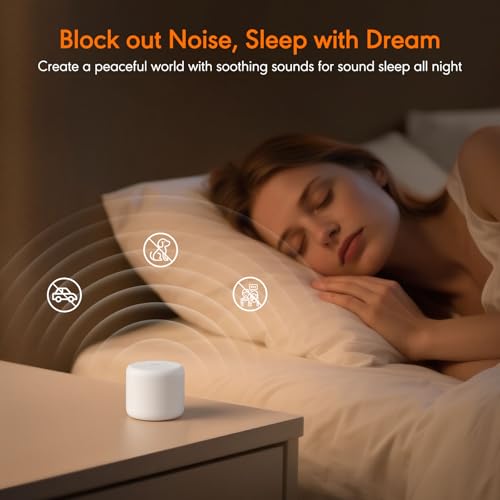
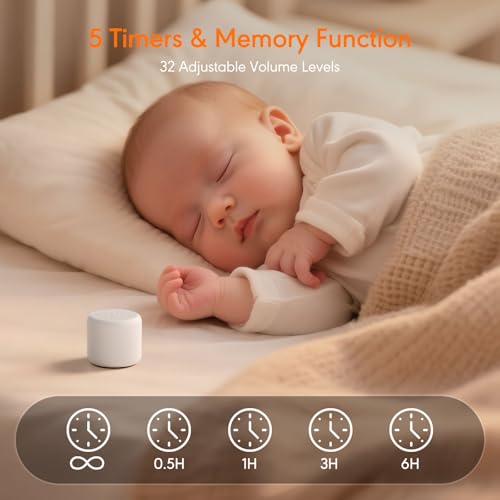
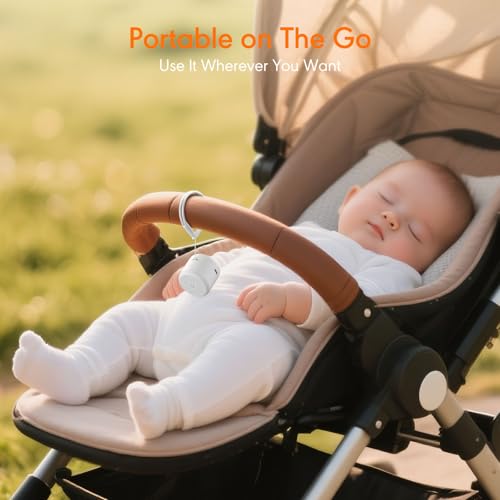
White Noise Sound Machine, Portable White Noise Machine for Sleeping with 18 Soothing Sounds, Timer & Memory Function, for Baby Adults, Travel, Office, Hotel Privacy (Mini)
- 🏆 【Ultra-Compact & Travel-Ready】As the smallest baby sound machine on the market (just 1.7x1.7x1.5 inches), th
- 🌿 【18 Non-Looping Natural Sounds】This versatile white noise sound machine offers an extensive library of conti
- ⚙️ 【Full-Featured Functionality】Despite its mini size, this sound machine doesn't compromise on features. Enjo
5. Building a Sleep Routine Around White Noise
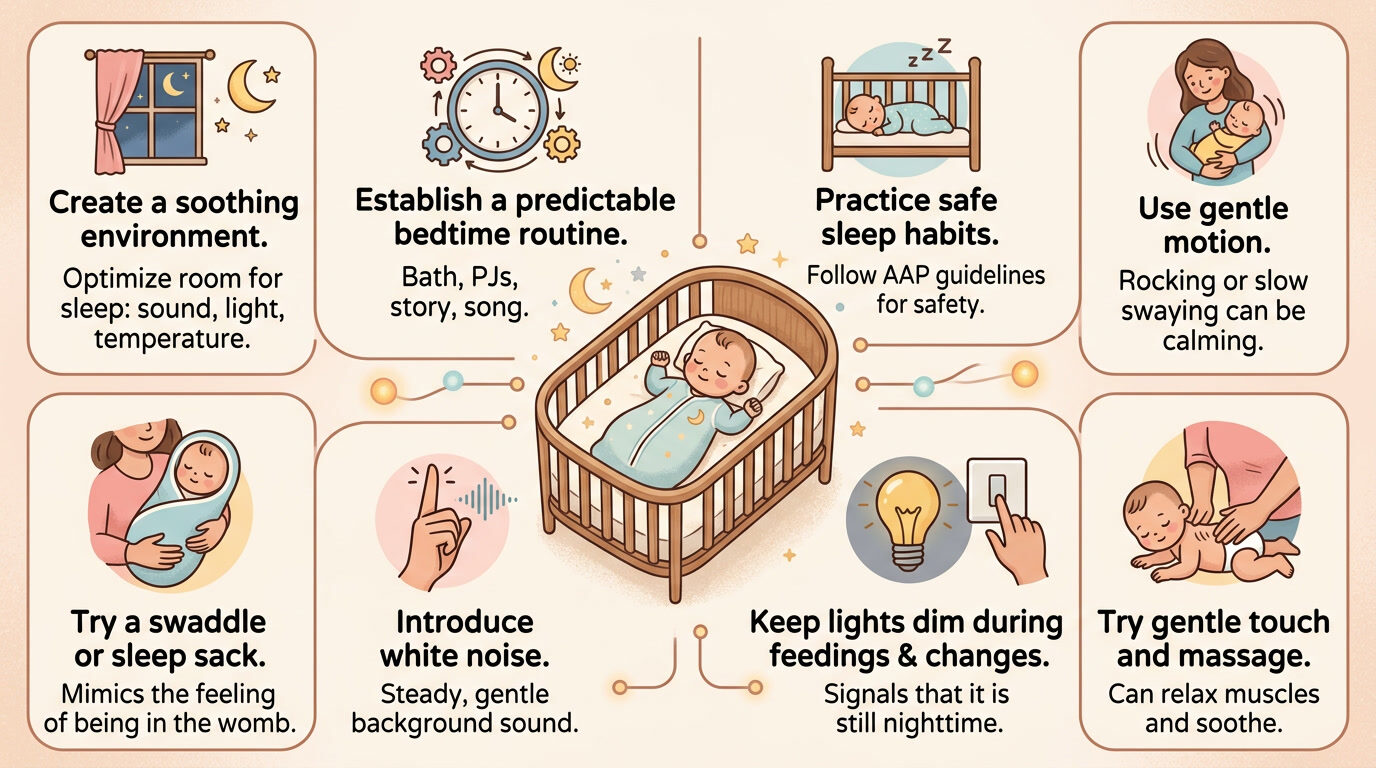
White noise works best as one component of a consistent bedtime routine — not as a standalone fix.
Between three and twelve months, your baby's circadian rhythm is actively maturing. The brain is learning to associate specific cues — dim light, a warm bath, a feed, a particular sound — with the onset of sleep. This is called conditioned sleep association, and white noise is one of the most reliable cues you can build in, precisely because it's consistent and controllable.
A Simple 20-Minute Routine That Works
1. T-minus 20 minutes: Dim the lights in the nursery. Avoid screens. Start the white noise machine at a low volume. 2. T-minus 15 minutes: Bath or warm wipe-down, followed by a feed (breast or bottle). 3. T-minus 5 minutes: Into the sleep sack, a short song or story, then into the crib drowsy but awake. 4. Sleep time: White noise running at a safe volume across the room.
The Hatch Baby Sound Machine is particularly well-suited to this approach because you can pre-program the light colour and sound to shift automatically at each stage of the routine — signalling to your baby (and your toddler, if you have one) exactly what's coming next.
6. How and When to Wean Your Baby Off White Noise
Most infants don't need white noise forever — and a gradual, low-stress approach makes the transition easy.
There's no clinical evidence that white noise causes long-term sleep dependency if used appropriately. However, some parents find that by 9–12 months, as their baby's sleep architecture matures and they consolidate into longer overnight stretches, they want to reduce reliance on the machine.
A Gradual Weaning Plan
- Weeks 1–2: Reduce the volume by one or two notches every three nights. - Weeks 3–4: Switch to a timer setting (60 minutes) so the machine turns off after your baby reaches deep sleep. - Weeks 5–6: Use the machine only for naps, not overnight sleep. - Week 7 onwards: Discontinue at your own pace — many families keep it running indefinitely with no ill effects.
The compact SMILEBOP Mini Sound Machine is handy during this phase — its timer function and memory settings let you automate the gradual fade-out without reprogramming every night.
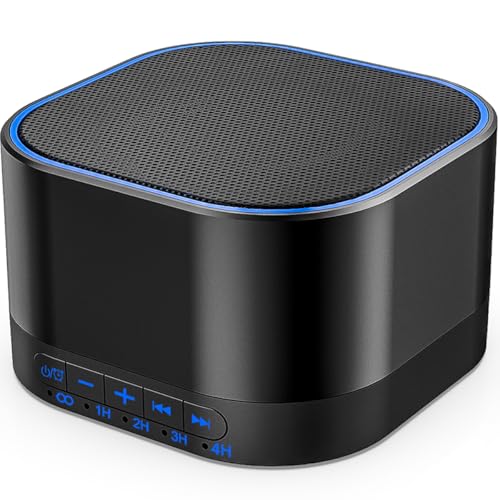

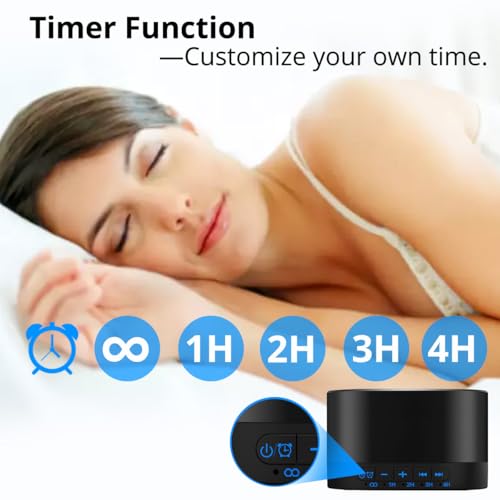
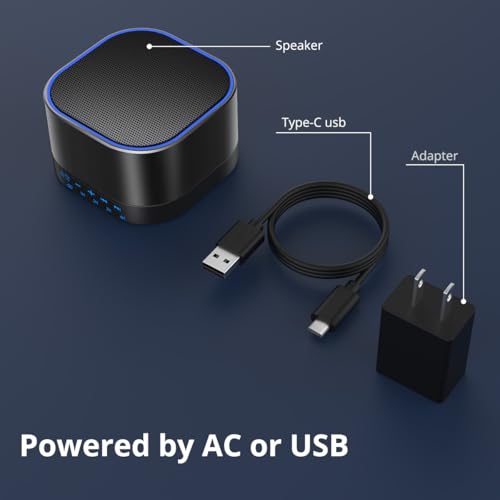
Magicteam Sound White Noise Machine with 20 Non Looping Natural Soothing Sounds and Memory Function 32 Levels of Volume Powered by AC or USB and Sleep Sound Timer Therapy for Baby Kids Adults
- ❤20 Non-Looping Sleep Sounds: White noise ,Brown noise, pink noise, blue noise, fan,brook, rain, ocean,bird an
- ❤Precise Volume & Timer Settings:With 32 Levels of Volume ,it is perfect for baby sleeping .And you can set 1
- ❤Unique Design: Solid-state design with 3.01inch*3.01inch *1.77inch,it is portable for home, office or travel,
7. Expert Insights on Infant Sleep and Sound
There's something quietly powerful about standing in a darkened nursery, listening to the steady rush of white noise, and watching your baby's eyes finally, slowly close. It's not magic — it's science you can hold in your hand for less than the cost of a dinner out. Whether you choose the no-frills reliability of the Magicteam Sound Machine, the smart ecosystem of the Hatch Baby, or the pocket-sized portability of the SMILEBOP Mini, the most important thing is that you use it safely and consistently. Good sleep doesn't just happen — it's built, one calm night at a time. If this guide helped you, save it, share it with a fellow sleep-deprived parent, and come back when the next milestone throws a wrench in your routine. We'll be here.
Sources & References
- American Academy of Pediatrics. "Infant Sleep Machines and Hazardous Sound Pressure Levels." Pediatrics, 2014. https://publications.aap.org/pediatrics/article/133/4/677/32678
- American Academy of Pediatrics. "Safe Sleep Recommendations." HealthyChildren.org, 2022. https://www.healthychildren.org/English/ages-stages/baby/sleep/Pages/default.aspx
- Mindell, J.A., et al. "A Nightly Bedtime Routine: Impact on Sleep in Young Children and Maternal Sleep and Mood." Sleep, 2009. https://doi.org/10.1093/sleep/32.5.599
- National Institute for Occupational Safety and Health (NIOSH). "NIOSH Sound Level Meter App." CDC, 2023. https://www.cdc.gov/niosh/topics/noise/app.html
- Karp, Harvey. The Happiest Baby on the Block, 2nd ed. Bantam Books, 2015.
- American Academy of Sleep Medicine. "Healthy Sleep Habits." AASM, 2023. https://sleepeducation.org/healthy-sleep/healthy-sleep-habits/
- Hugh, S.C., et al. "Infant Sleep Machines and Hazardous Sound Pressure Levels." Pediatrics, 133(4), 2014. doi:10.1542/peds.2013-3617
Frequently Asked Questions
Is white noise safe for newborns and young infants?
How loud should a white noise machine be for a baby?
Should I use white noise all night or just for sleep onset?
Can white noise become a sleep crutch my baby can't do without?
What's the difference between white, pink, and brown noise for babies?
Do I need a dedicated baby sound machine, or can I just use a phone app?
At what age should I stop using white noise for my baby?
Was this helpful?
Thanks — your feedback helps us pick what to write next.