
Why Modern Parenthood Feels Like a Performance
Parental judgement and chronic stress are genuinely harmful to your mental health — but understanding where they come from, and having concrete strategies, makes them manageable.

In this article
You're standing in the supermarket. Your toddler is mid-meltdown. A stranger glances over, and in that half-second look you read an entire verdict on your parenting. Sound familiar? You're not imagining it. A 2017 University of Michigan C.S. Mott Children's Hospital National Poll on Children's Health found that 61% of mothers and 37% of fathers reported being criticised about their parenting choices — and that was before social media use among parents peaked. In the years since, the pressure has only intensified.
This guide is for every parent who has felt the silent weight of that scrutiny — whether it comes from a stranger, a mother-in-law, a partner, or the voice in your own head. Here's what you'll understand by the end:
1. Why Modern Parenthood Feels Like a Performance
The pressure to parent "correctly" has never been louder — and social media is a major amplifier.
Platforms like Instagram and TikTok don't just show you other families; they show you curated families. Bento-box lunches. Sensory play setups. Calm, patient parents narrating their feelings in soft voices. The gap between that and your Tuesday morning — cereal on the floor, someone crying (maybe you) — can feel enormous. Psychologists call this social comparison theory: we instinctively measure ourselves against visible peers, and when those peers are algorithmically selected for aspirational content, we lose every time.
But the judgement predates Instagram. Sociologist Sharon Hays coined the term "intensive mothering" in 1996 to describe a cultural ideology that demands mothers be child-centred, expert-guided, and emotionally absorbing in their parenting — regardless of their work status or personal needs. That ideology hasn't softened; it's simply found new distribution channels.
What parents are actually judged for most
According to the Mott Poll, the top areas of criticism parents receive include: - Diet and nutrition choices - Discipline methods - Sleep routines - Screen time - Breastfeeding vs. formula decisions

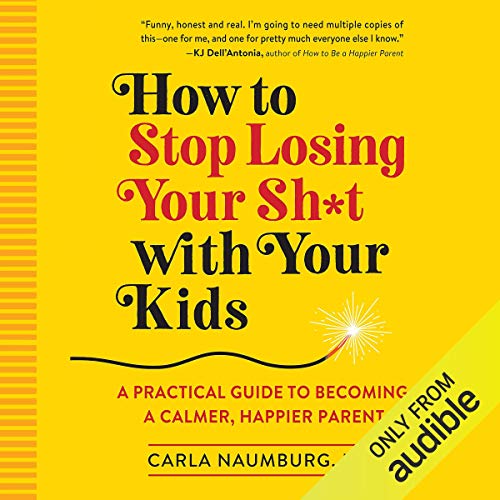
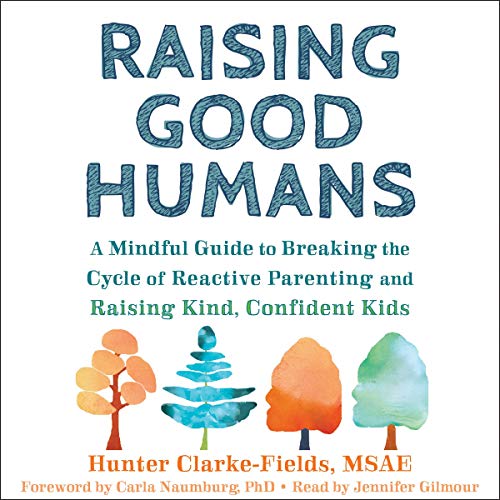

How to Stop Losing Your Sh*t with Your Kids: A Practical Guide to Becoming a Calmer, Happier Parent
- Audible Books & Originals
- Relationships, Parenting & Personal Development
- Personal Development
2. The Psychological Toll: Stress, Anxiety, and the Burnout Spiral
Feeling judged isn't just uncomfortable — it has measurable mental health consequences.
Research published in Parenting: Science and Practice has consistently linked high levels of parenting stress to elevated rates of anxiety and depression in caregivers. When parents feel under scrutiny, the stress response activates: cortisol rises, sleep quality drops, and the capacity for patient, responsive parenting shrinks. This creates a painful feedback loop — stressed parents are more likely to react in ways they later regret, which invites more self-criticism, which deepens the stress.
The burnout distinction
Parenting stress and parenting burnout are related but different:
- Stress is a state of being stretched. It's temporary and recoverable. - Burnout is a state of chronic exhaustion where you feel emotionally detached from your child, trapped in your role, and unable to find any pleasure in parenting. Research by Belgian psychologist Moïra Mikolajczak has identified parenting burnout as a distinct clinical syndrome, separate from occupational burnout.
Signs you may be approaching burnout: - You feel like you're "going through the motions" with your children - You fantasise about escaping your family — not just for a break, but permanently - Small parenting tasks feel overwhelming - You're irritable far beyond your normal baseline

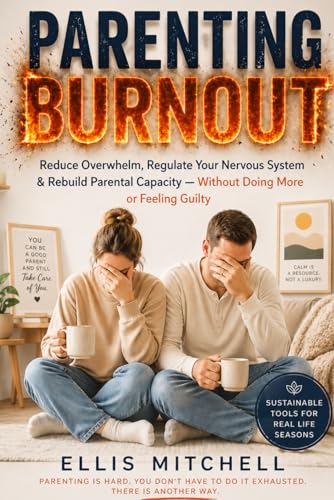
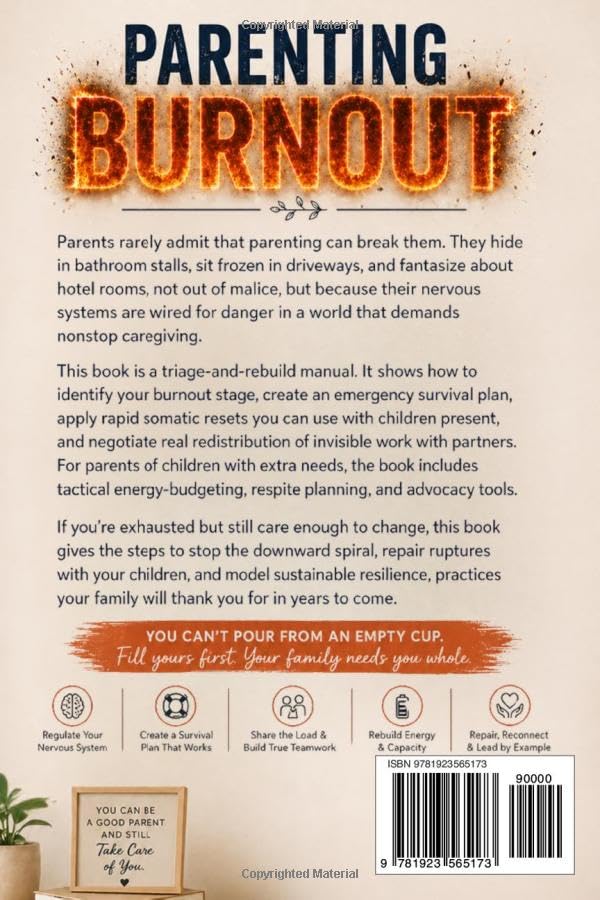
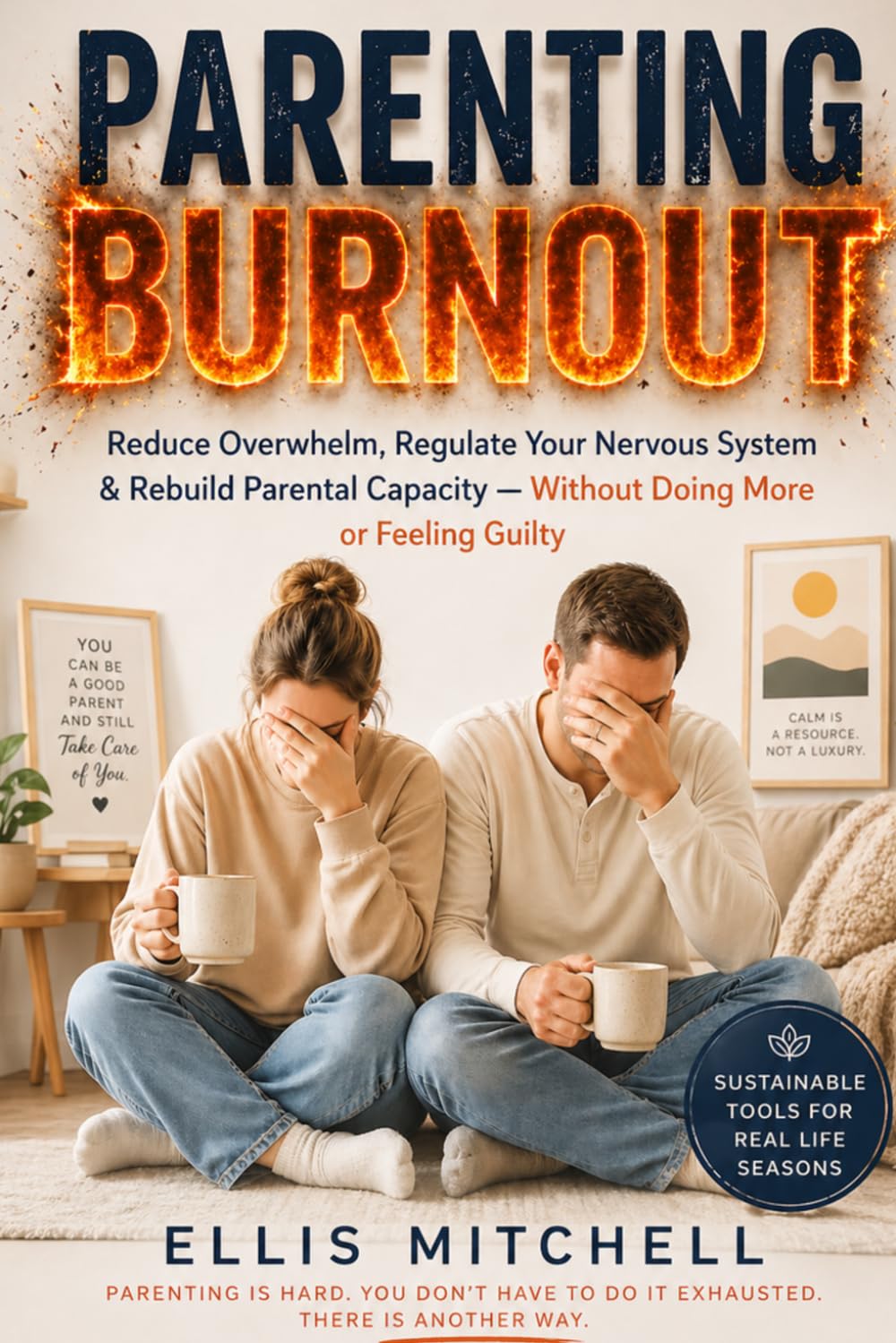
Parenting Burnout: Reduce Overwhelm, Regulate Your Nervous System & Rebuild Parental Capacity — Without Doing More or Feeling Guilty
- Parenting & Relationships
- Family Relationships
- Dysfunctional Families
3. Partner Criticism: The Judgement Closest to Home
The most stinging judgement often doesn't come from strangers — it comes from the person sharing your bed.
The Mott Poll found that nearly half of married or cohabiting parents (46%) reported feeling judged by their partner about their parenting. Mothers were significantly more likely than fathers to report this. This matters because partner criticism doesn't just sting in the moment — it erodes the co-parenting alliance that children depend on for security.
When one parent regularly undermines, corrects, or second-guesses the other in front of the children, research shows children pick up on the tension. A 2019 study in the Journal of Family Psychology found that inter-parental conflict — even at low levels — was associated with increased anxiety and behavioural problems in children as young as two.
Building a healthier co-parenting dynamic
4. Age-by-Age: How Parenting Stress Shifts Across the Years
Stress doesn't look the same at every stage — and neither does the judgement.
| Life Stage | Core Stressor | Common Source of Judgement | Mental Health Risk | Recommended Resource |
|---|---|---|---|---|
| Newborn (0–3 months) | Sleep deprivation, feeding decisions | Breast vs. formula, "spoiling" by holding | Postnatal depression, anxiety | Breathe, Mama, Breathe |
| Baby (4–12 months) | Developmental milestones, returning to work | Weaning timing, screen exposure | Isolation, identity loss | Self-Care for Moms |
| Toddler (1–3 years) | Behaviour management, tantrums | Discipline style, diet | Chronic stress, low self-efficacy | How to Stop Losing Your Sh*t with Your Kids |
| Preschool (3–5 years) | School readiness, social skills | Screen time, structured activities | Comparison anxiety | Stress Relief for Busy Parents |
| School age (6–12 years) | Academic pressure, extracurriculars | Homework help, digital limits | Burnout, resentment | Parenting Burnout |
| Teen (13–17 years) | Autonomy vs. safety, identity | Social media rules, independence | Detachment, relationship strain | Self Care for Moms: 5-Minute Mindfulness |
5. Why Mothers Bear a Disproportionate Burden
The data is consistent: mothers experience more parenting judgement, more parenting stress, and higher rates of parenting burnout than fathers.
This isn't biology — it's structure. Societal expectations still assign primary caregiving responsibility to mothers, even in dual-income households. A 2020 study in Gender & Society found that during the COVID-19 pandemic, mothers absorbed a significantly larger share of childcare and home-schooling duties than fathers, regardless of employment status. That invisible extra load — what sociologist Arlie Hochschild called the "second shift" — is also an invisible source of chronic stress.
The guilt amplifier
Mothers are also more likely to internalise criticism as personal failure. Mom guilt — the persistent sense that you are not doing enough, or not doing it right — is not a personality quirk. It's a learned response to a culture that holds mothers to standards it never applies to fathers.
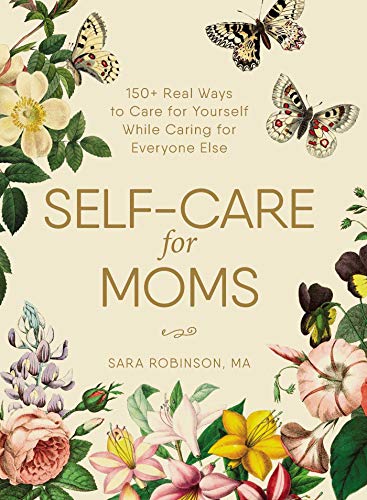


Self-Care for Moms: 150+ Real Ways to Care for Yourself While Caring for Everyone Else
- Parenting & Relationships
- Family Relationships
- Motherhood
6. Practical Strategies: Building Your Stress-Resilience Toolkit
The goal isn't to eliminate parenting stress — it's to build enough resilience that it doesn't accumulate into damage.
The most effective interventions are small, consistent, and doable within the actual constraints of your life. Research from the field of positive psychology and mindfulness consistently shows that brief, regular practices outperform occasional big resets (the holiday that's supposed to fix everything, the spa day that doesn't quite).
Mindfulness in micro-doses
A 2018 review in Mindfulness journal found that even 5–10 minutes of mindfulness practice per day significantly reduced parenting stress scores over eight weeks. You don't need a meditation cushion or a silent house.
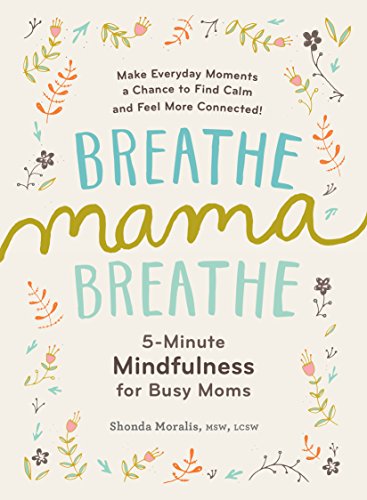
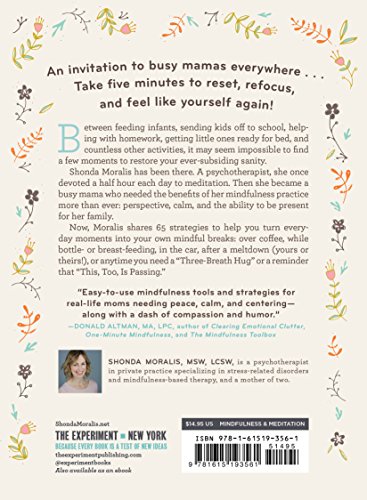
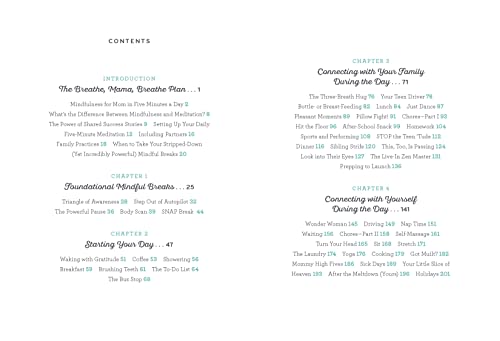
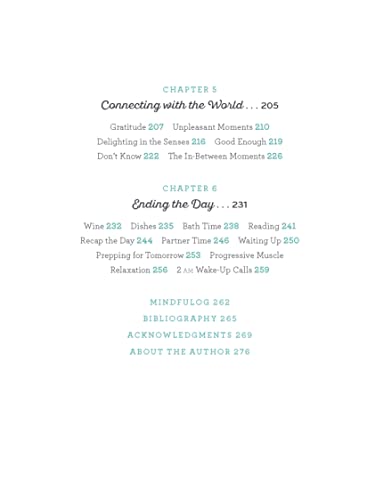
Breathe, Mama, Breathe: 5-Minute Mindfulness for Busy Moms
- Health, Fitness & Dieting
- Alternative Medicine
- Meditation
Setting boundaries with external judgement
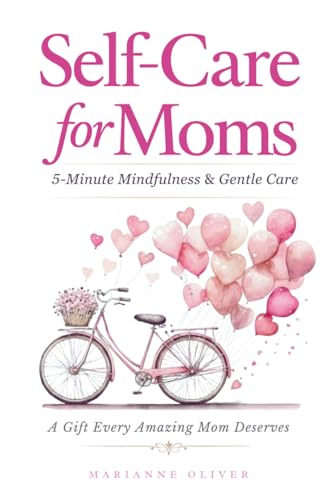
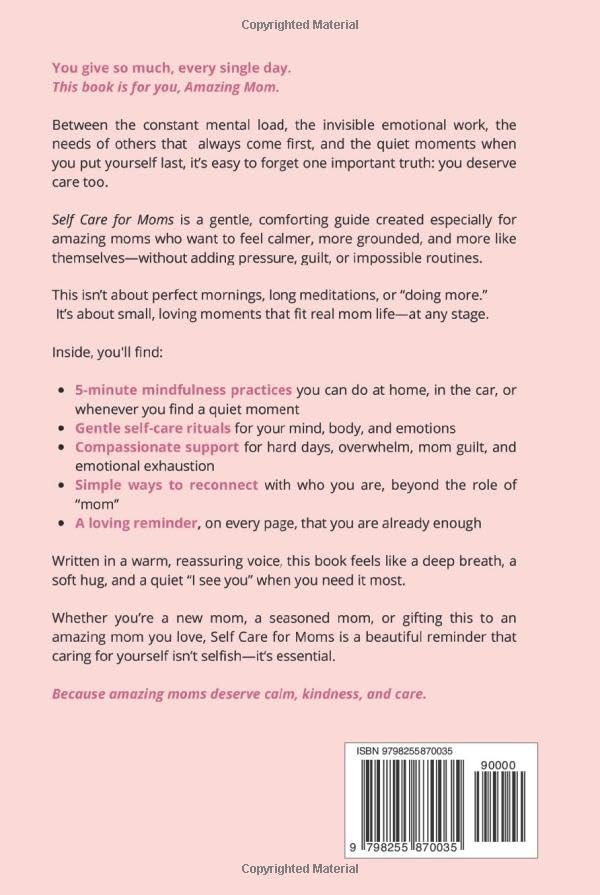
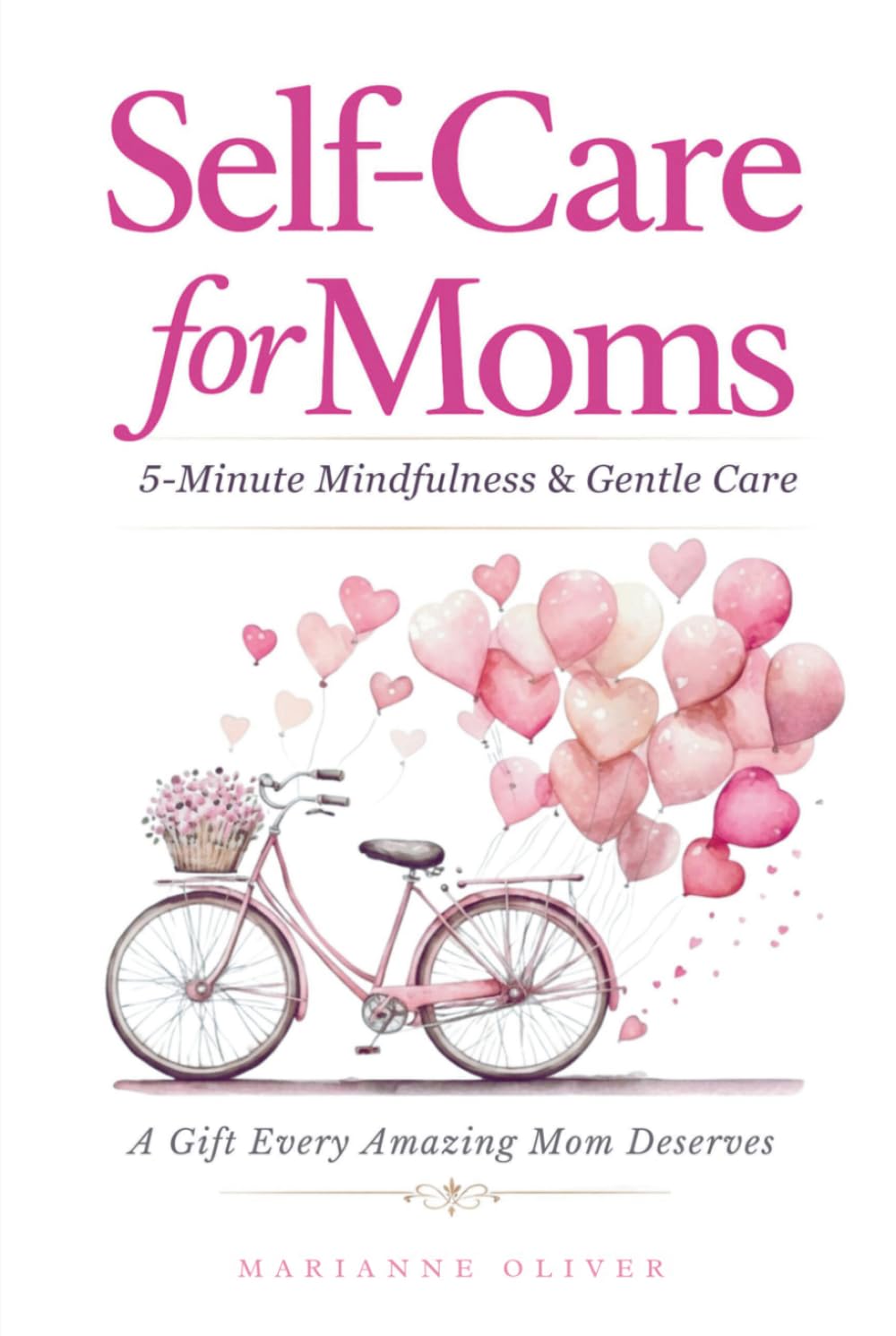
Self Care for Moms: 5-Minute Mindfulness & Gentle Self-Care for Real Life. Simple Practices for Calm and Presence in Motherhood. (For Amazing Moms)
- Parenting & Relationships
- Family Relationships
- Motherhood
When to seek professional support
The following are signs that self-help strategies alone may not be sufficient: - Persistent low mood lasting more than two weeks - Difficulty bonding with your child - Intrusive thoughts about harm - Inability to function in daily tasks - Using alcohol or substances to cope
If any of these apply, please contact your GP, a perinatal mental health team, or a registered psychotherapist. In the UK, PANDAS Foundation and MIND offer excellent support. In the US, Postpartum Support International (PSI) has a helpline at 1-800-944-4773.
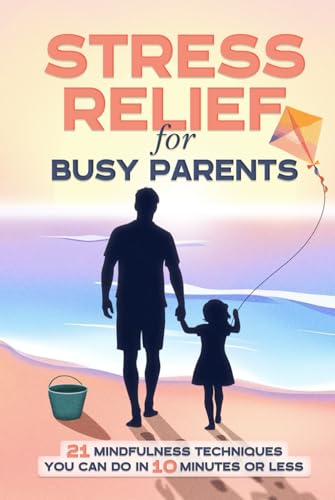
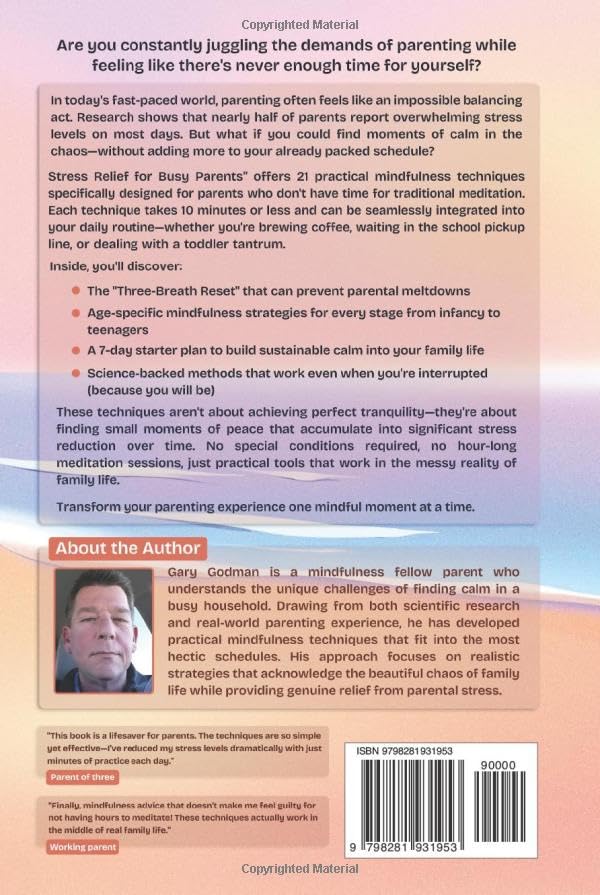
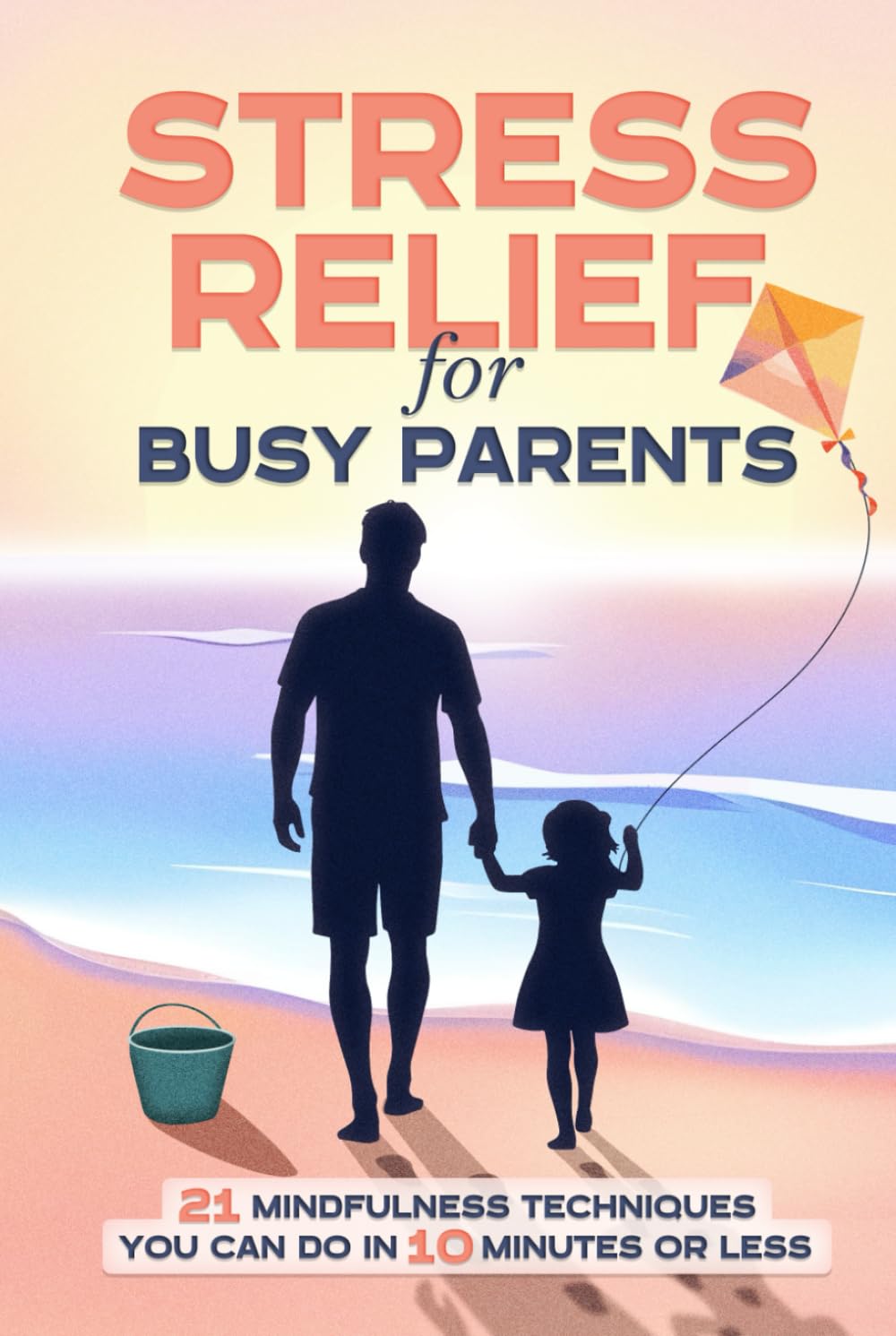
Stress Relief for Busy Parents: 21 Mindfulness Techniques You Can Do in 10 Minutes or Less
- Parenting & Relationships
- Single Parents
- Image Unavailable Image not available forColor:
7. Expert Insights on Parenting Stress
Parenting in the modern world is genuinely harder than previous generations had it — not because you're weaker, but because the scrutiny is louder, the standards are higher, and the support structures are thinner. The fact that you're reading an article like this one means you care deeply about getting it right. That care is already evidence of good parenting. You don't need to earn your place in this role by being perfect. You earn it every day by showing up, repairing, and trying again.
The children who thrive aren't raised by perfect parents. They're raised by real ones.
If this resonated, save it for the next time the doubt creeps in — and share it with a parent who needs to hear it today.
Sources & References
- University of Michigan C.S. Mott Children's Hospital. "Parenting: Big Job, Imperfect Conditions." Mott Children's Hospital National Poll on Children's Health. 2017. https://mottpoll.org/reports-surveys/parenting-big-job-imperfect-conditions
- Mikolajczak, M., Brianda, M.E., Avalosse, H., & Roskam, I. "Consequences of parental burnout: Its specific effect on child neglect and violence." Child Abuse & Neglect, 80, 134–145. 2018.
- Hays, Sharon. The Cultural Contradictions of Motherhood. Yale University Press. 1996.
- Siegel, D.J., & Bryson, T.P. The Whole-Brain Child. Delacorte Press. 2011.
- Neff, K.D. "Self-Compassion: An Alternative Conceptualization of a Healthy Attitude Toward Oneself." Self and Identity, 2(2), 85–101. 2003.
- Cluxton-Keller, F., & Bruce, M.L. "Clinical effectiveness of family-focused interventions for parents with mental illness." Journal of Family Psychology, 33(1), 1–12. 2019.
- Hochschild, A.R. The Second Shift: Working Families and the Revolution at Home. Viking. 1989.
- Lim, S.S., et al. "A systematic review of the evidence on the relationship between social media use and parental wellbeing." Mindfulness, 2018.
- Postpartum Support International. "Paternal Postnatal Depression." https://www.postpartum.net/learn-more/paternal-postnatal-depression/
- PANDAS Foundation UK. Support for perinatal mental health. https://pandasfoundation.org.uk
Frequently Asked Questions
Is it normal to feel judged as a parent all the time?
How do I know if I have parenting burnout vs. just being tired?
My partner constantly criticises how I parent. What should I do?
How can I stop comparing myself to other parents on social media?
What are the best quick stress-relief strategies for busy parents?
Does parenting stress affect my children?
Are fathers affected by parenting judgement too?
Was this helpful?
Thanks — your feedback helps us pick what to write next.